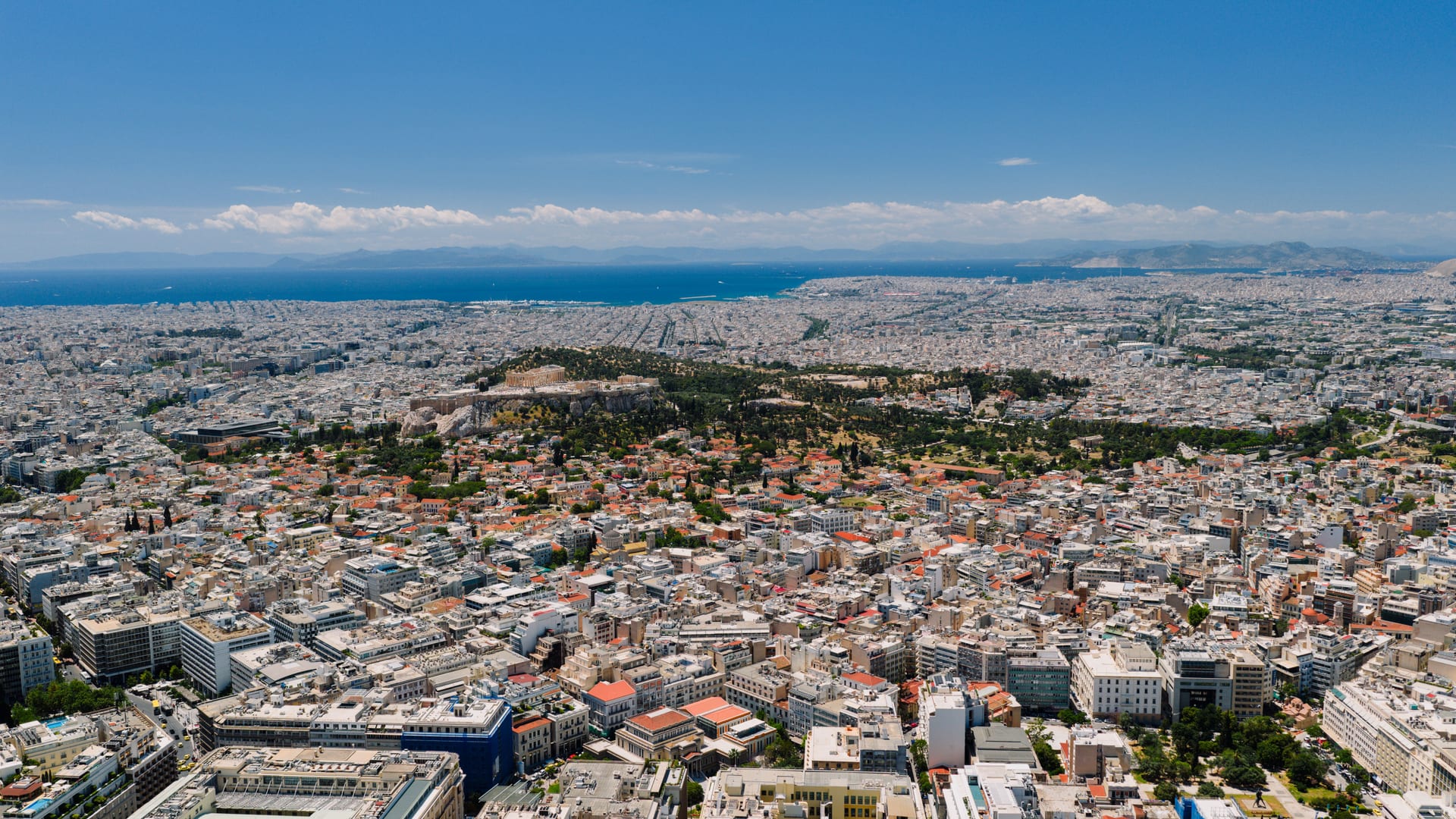
 Greece
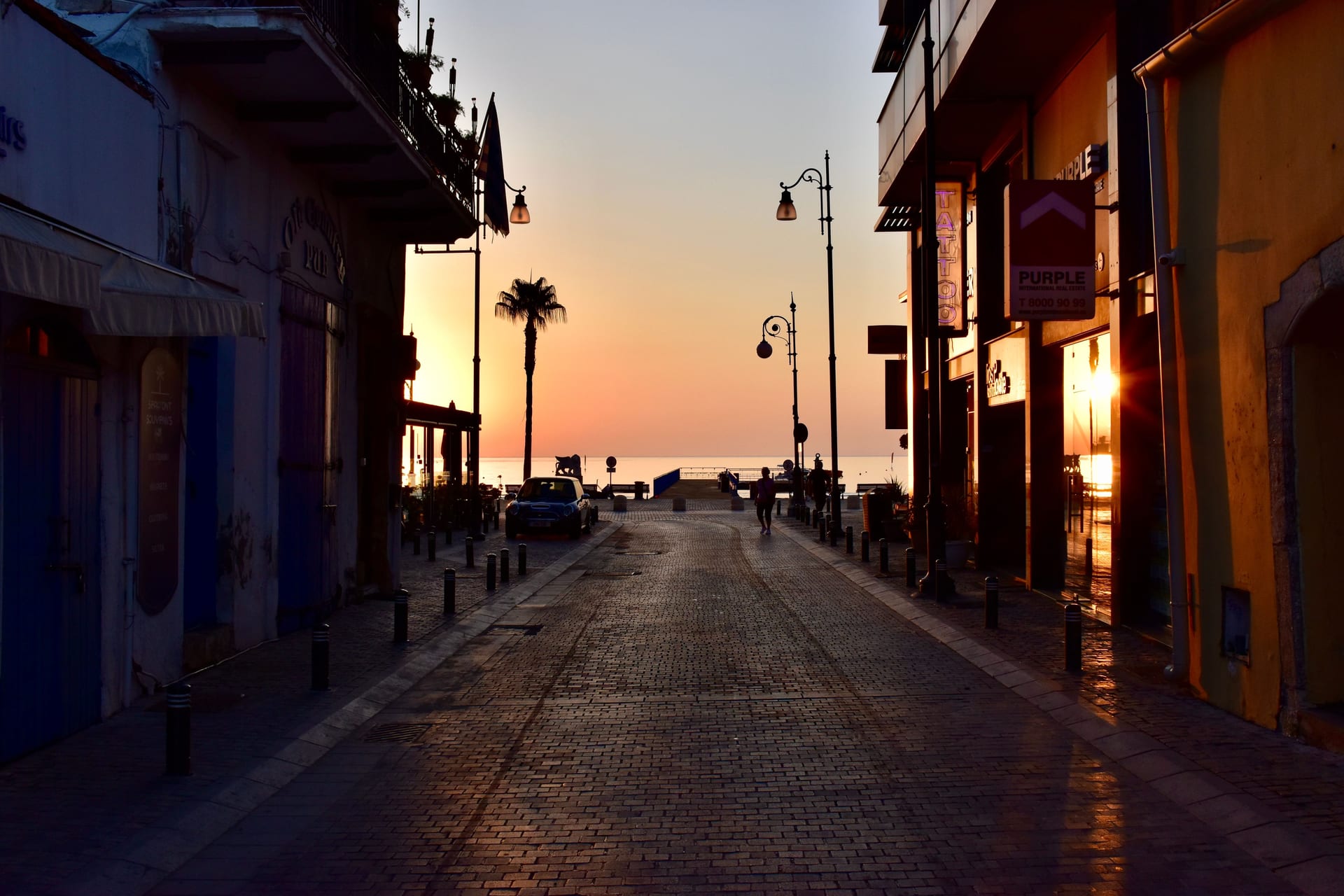
 Cyprus
Athens makes sense if
- Access to stronger healthcare matters most to you.
- You want the broader career options in this comparison.
- You want the deeper culture and food scene.
Athens offers the scale and history of a major capital, but local work is the constraint and summer heat is intense. Larnaca is a small, sun-soaked coastal town where English is common and the sea stays close; the trade-off is limited city scale and ambition. Athens has the stronger career and cultural scene, while Larnaca is easier for a slower, seaside routine.
The grey shape is all 283 cities; each row says whether lower or higher is better. Ratings out of 10 are our reviewed estimates; the rest is published data. How we measure
Set how much each area counts. The ranking updates as you go. Climate and values are left out because there is no better or worse there, only your taste.
Leads on nature & outdoors and city life; stands out for mountains and public transport.
Leads on money and safety & health; stands out for jobs in english and less petty crime.
Scores out of 100, averaged from the areas you weighted. For a ranking built around your own situation, take the quiz.
Rent on a new lease, everyday prices and tax.
The year month by month. Whether it suits you is yours to judge.
Solid line: average daytime high. Dashed: night-time low. Point at the chart for any month; point at a city name to shade its range.
How easily you get to water, mountains and green space.
Getting around on foot, food, culture and the feel of the streets.
Crime, how safe people feel, and the care you would get.
Jobs, working culture, schools and raising kids.
Visas, language, paperwork and staying connected.
Where each city sits. There is no right end of these scales.
A dense, sprawling concrete city where life spills onto the street and a car is rarely essential. Walkability and the feel of individual neighbourhoods land in the middle, varying a lot block to block.
Getting around really wants a car; walkability is patchy and there's little of the dense, mixed-use street life of a bigger place. Neighbourhoods are pleasant and roomy, but anyone craving urban buzz will find it lacking.
Serious violent crime is very rare, and the city feels safe to move around day or night. The real nuisance is petty theft.
Violent crime is rare, walking around at night feels comfortable, and traffic is calm by regional standards. The main soft spot is political stability, shaped by the island's long-running division, though daily life in the south is settled and unbothered by it.
The local job market is shallow, unemployment remains high, and professional networks are thin. Healthcare is solid but not standout.
Local career options are limited, with a thin market and little professional or startup depth. Care is workable rather than outstanding.
Greek food culture runs deep and unpretentious, from tavernas to a serious cafe and late-night scene, and the museums and ancient sites are world class. What redeems it is space and price: Syntagma, the plakas and the ancient agoras give endless walkable squares, and life runs cheap and outdoors.
Cyprus brings a warm food culture, with good local cooking and a comfortable cafe scene, and a long-settled international crowd among the expats and remote workers. Larnaca is a tidy Cypriot resort town with a well-kept seafront.
Larnaca makes sense if you already have work and want a quiet coastal town where daily life is simple and English is widely used. Athens offers more career and cultural possibilities, though its local job market can still be difficult for newcomers. Decide how much city scale you need before opting for Larnaca's easier pace.
These numbers treat everyone the same. The quiz weighs them by your budget, climate taste, family and work, and ranks all 283 cities for you.