 Switzerland
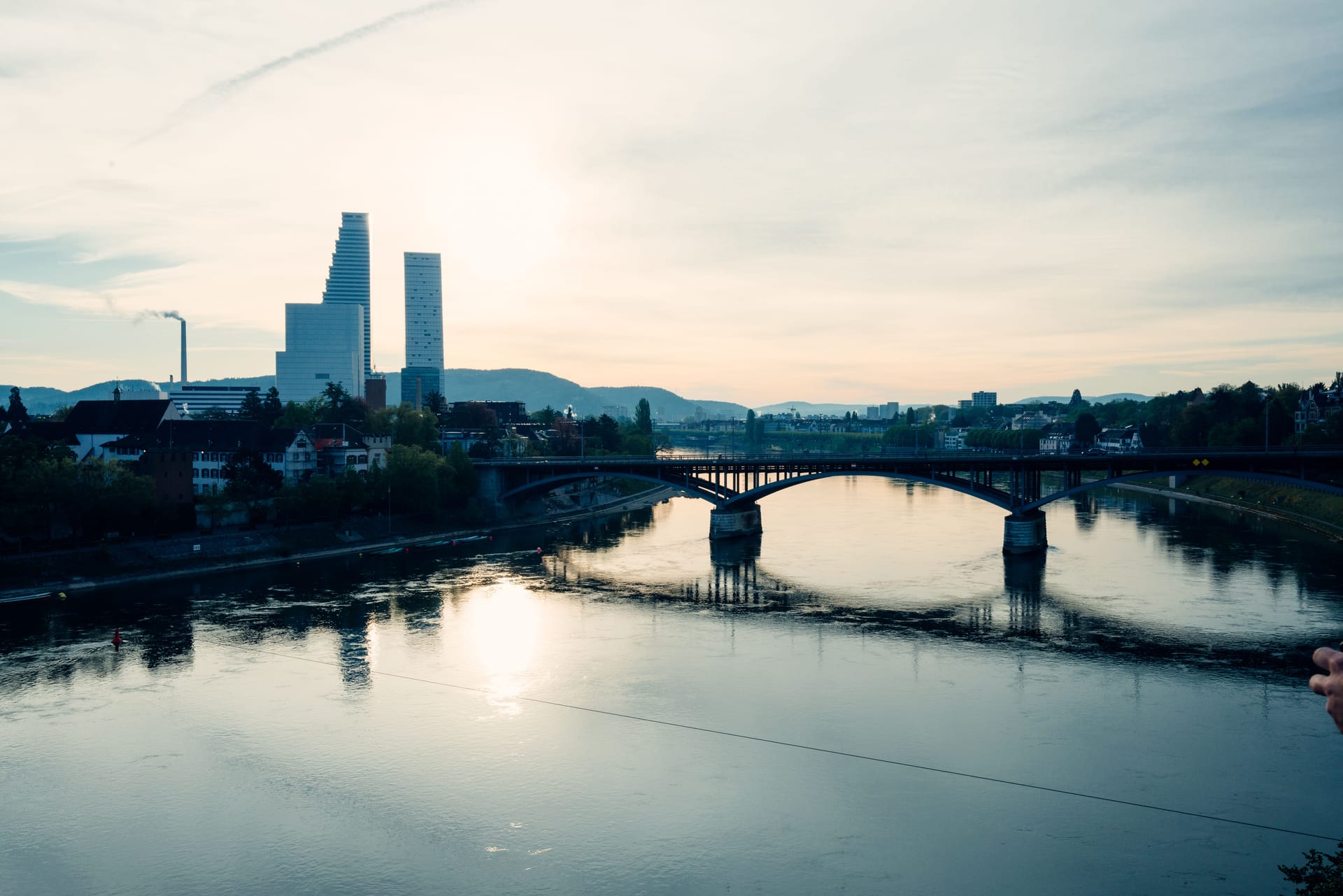
Basel makes sense if
- Access to stronger healthcare matters most to you.
- You want the broader career options in this comparison.
- You want the deeper culture and food scene.
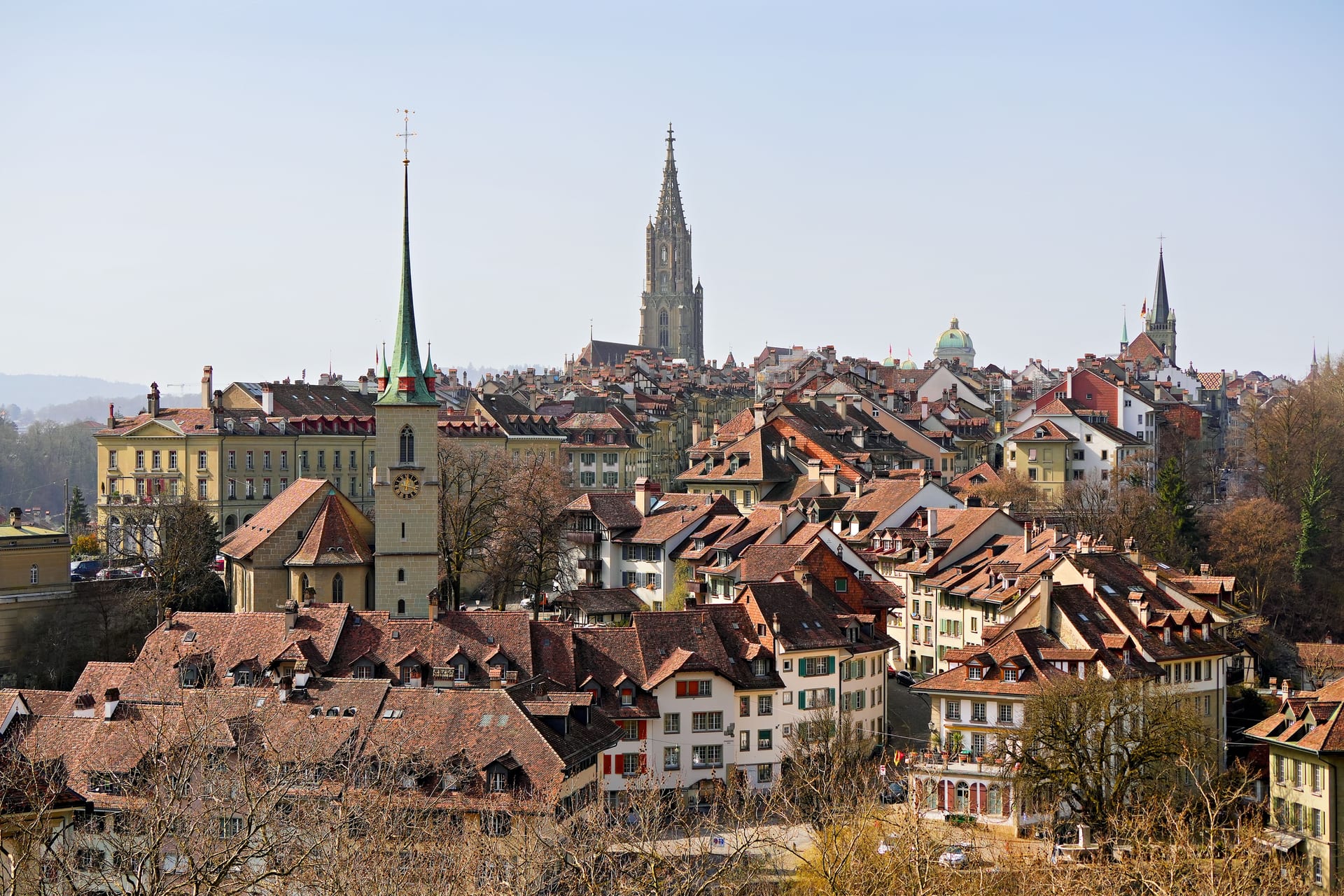
Basel is compact, orderly and shaped by its pharmaceutical employers and deep art and museum scene. Bern is even easier to navigate on foot, with little need for a car, but damp grey weather and limited English-language jobs narrow the fit. Basel suits people whose work connects to its industries; Bern offers a quieter, walkable city routine.
The grey shape is all 283 cities; each row says whether lower or higher is better. Ratings out of 10 are our reviewed estimates; the rest is published data. How we measure
Set how much each area counts. The ranking updates as you go. Climate and values are left out because there is no better or worse there, only your taste.
Leads on work & family and moving & settling in; stands out for flight connections and music & art scene.
Leads on nature & outdoors.
Scores out of 100, averaged from the areas you weighted. For a ranking built around your own situation, take the quiz.
Rent on a new lease, everyday prices and tax.
The year month by month. Whether it suits you is yours to judge.
Solid line: average daytime high. Dashed: night-time low. Point at the chart for any month; point at a city name to shade its range.
How easily you get to water, mountains and green space.
Getting around on foot, food, culture and the feel of the streets.
Crime, how safe people feel, and the care you would get.
Jobs, working culture, schools and raising kids.
Visas, language, paperwork and staying connected.
Where each city sits. There is no right end of these scales.
Neighbourhoods are well kept and coherent, and the mix of homes, shops, and workplaces makes for easy daily rhythms. The flip side of its small size is a slow pace and limited buzz compared with Zürich or Geneva.
Bern has a small urban footprint, an exceptionally walkable centre, and little need for a car. Mixed-use neighbourhoods and strong suburbs make daily life easy, but housing space is tight and the unhurried pace can feel too quiet for anyone seeking metropolitan energy.
Among the safest places a person could move to, with negligible violent crime, reliable streets after dark, and a deep sense of political stability. Petty crime exists but stays low.
Violent crime is rare and walking home late raises no real concern, with calm traffic and Switzerland's political stability behind it. Theft is the weak spot, clearly more common than in Zurich, so bikes and bags need ordinary care.
Basel has a strong specialist job market, with high English-language availability and a well-connected professional scene. Medical care is excellent, with strong hospitals, dependable emergency services, and English widely available in clinical settings.
Bern's market is workable but narrow, with limited English-only roles and modest industry and startup breadth. Medical care is excellent, with strong hospitals, reliable emergency services, and high overall quality.
For a small city the cultural depth is unusual, with a museum scene that punches far above its weight and a long art and music tradition that locals take seriously. Basel runs on immaculate Swiss order, its Rhine-side streets pristine and barely a wrapper out of place.
Cultural life is solid and rooted rather than expansive. Bern is spotless in the Swiss manner, its arcaded UNESCO old town swept and cared for.
Basel is the stronger base for career options, healthcare and cultural life, especially if your field overlaps with its pharmaceutical economy. Bern may fit better if you value a small, car-light city and a calm routine. Both carry Swiss living costs, so compare likely earnings and housing before you commit.
These numbers treat everyone the same. The quiz weighs them by your budget, climate taste, family and work, and ranks all 283 cities for you.