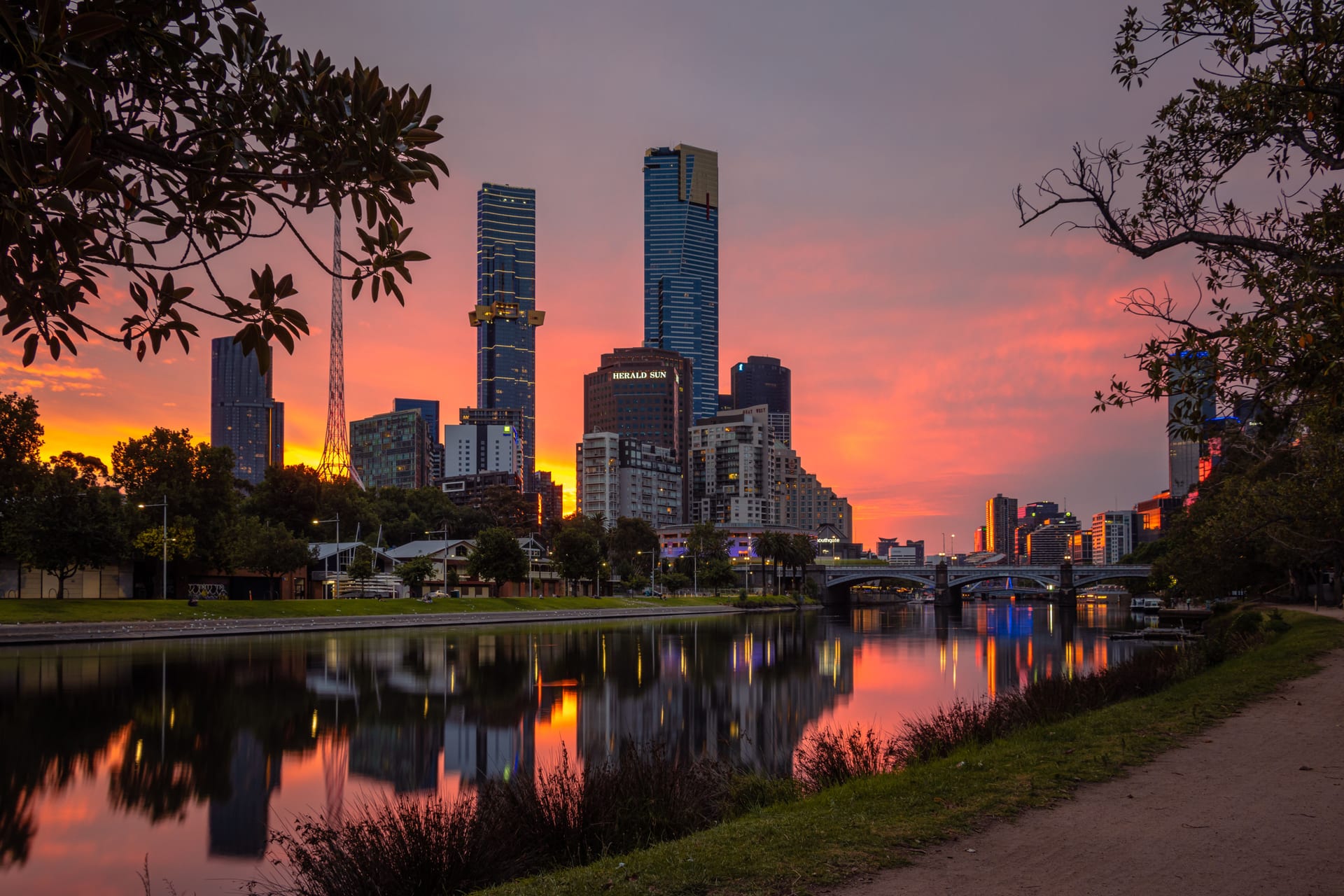
 Australia
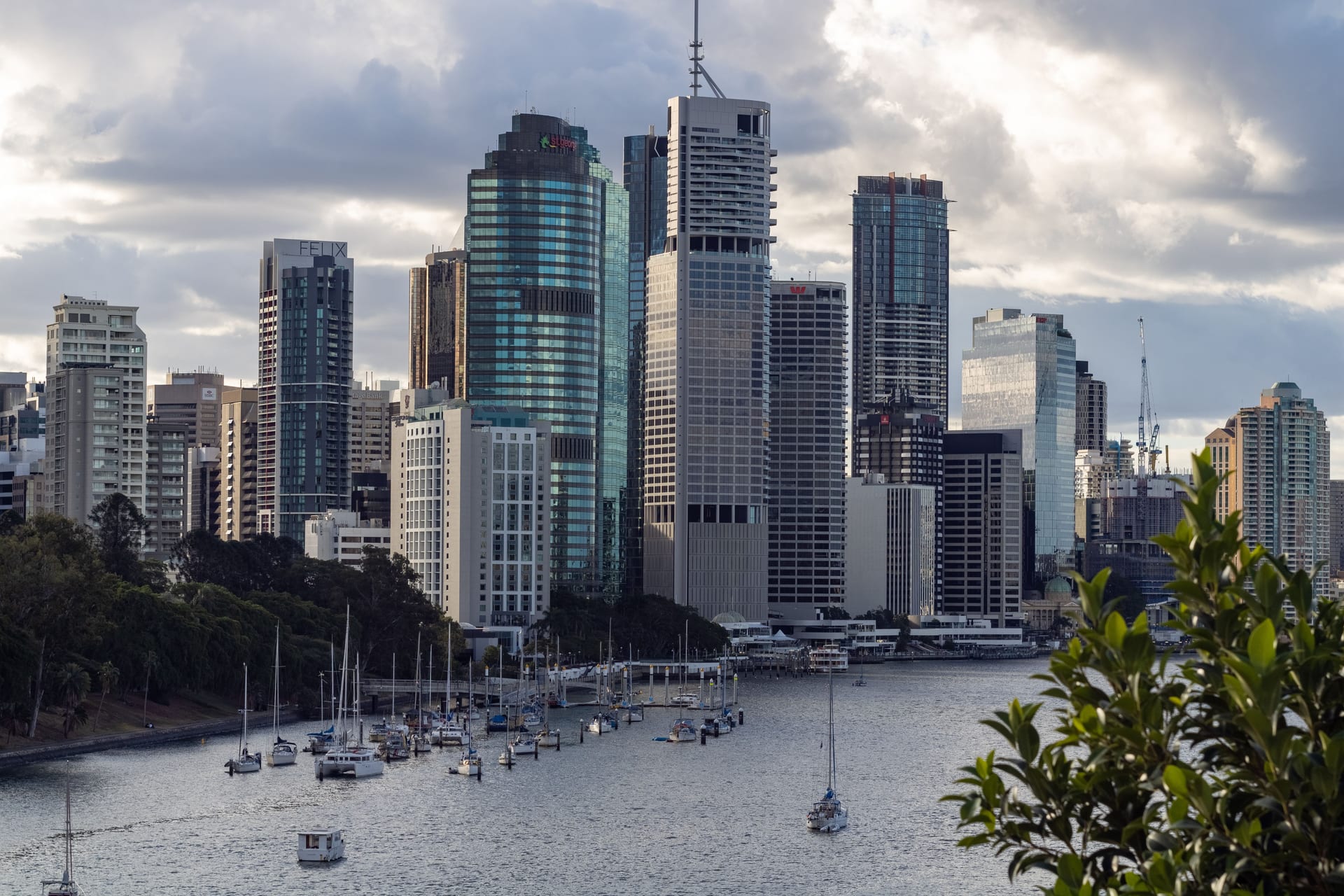
Brisbane makes sense if
- Brisbane is compelling if warm weather and outdoor days matter more than a dense metropolis.
Brisbane runs warm, slower and outdoors-first, with river life and the coast close by. Melbourne brings a cooler-season routine and deeper English-language professional market, but bright, changeable weather and wildfire smoke can shape the year.
The grey shape is all 283 cities; each row says whether lower or higher is better. Ratings out of 10 are our reviewed estimates; the rest is published data. How we measure
Set how much each area counts. The ranking updates as you go. Climate and values are left out because there is no better or worse there, only your taste.
Leads on city life, work & family and moving & settling in; stands out for fewer muggy days and music & art scene.
Leads on nature & outdoors; stands out for winter comfort and lakes & rivers.
Scores out of 100, averaged from the areas you weighted. For a ranking built around your own situation, take the quiz.
Rent on a new lease, everyday prices and tax.
The year month by month. Whether it suits you is yours to judge.
Solid line: average daytime high. Dashed: night-time low. Point at the chart for any month; point at a city name to shade its range.
How easily you get to water, mountains and green space.
Getting around on foot, food, culture and the feel of the streets.
Crime, how safe people feel, and the care you would get.
Jobs, working culture, schools and raising kids.
Visas, language, paperwork and staying connected.
Where each city sits. There is no right end of these scales.
Walking and mixed-use urbanism are limited, while homes offer more space and the pace is relatively calm. A car remains useful for everyday life.
Density is very low and car dependency runs high, so the outer reaches usually mean driving. Walkability holds up across the central and inner-ring areas, and homes tend to come with more space than compact European cities allow.
Violent crime is low, the streets feel secure after dark, and political stability is rock solid. Roads are reasonably safe by global measures, if a notch behind the very tightest European cities.
Melbourne is a reassuringly safe place to land. Homicide is rare, violent crime is low, and political stability is the kind people take for granted until they've lived somewhere without it.
Brisbane has a healthy English-language job market and relatively low unemployment, with typical local employee pay that is comparatively strong. Solid, well-run care with strong emergency reliability and, being an English-speaking country, no language hurdle at the clinic.
Melbourne has a broad, resilient market with low unemployment and readily available English-language work. Care quality is high and emergency services are dependable, with the added comfort that everything runs in English from the first appointment onward.
Strong cafe culture and excellent coffee, a real Australian signature, alongside a decent and improving restaurant scene. Past the river the city spreads out and grows car-dependent, and outside those free spots ordinary Australian costs apply.
The cafe culture ranks among the best anywhere, the restaurant and vegan scene is deep and inventive, and the music, art, and museum calendar stays busy year-round. Free festivals, street art and events run year-round.
Melbourne is the stronger base if you want dependable professional depth and a larger cultural scene. Brisbane is compelling if warm weather and outdoor days matter more than a dense metropolis. Consider the seasonal climate you prefer and the work network you need.
These numbers treat everyone the same. The quiz weighs them by your budget, climate taste, family and work, and ranks all 283 cities for you.