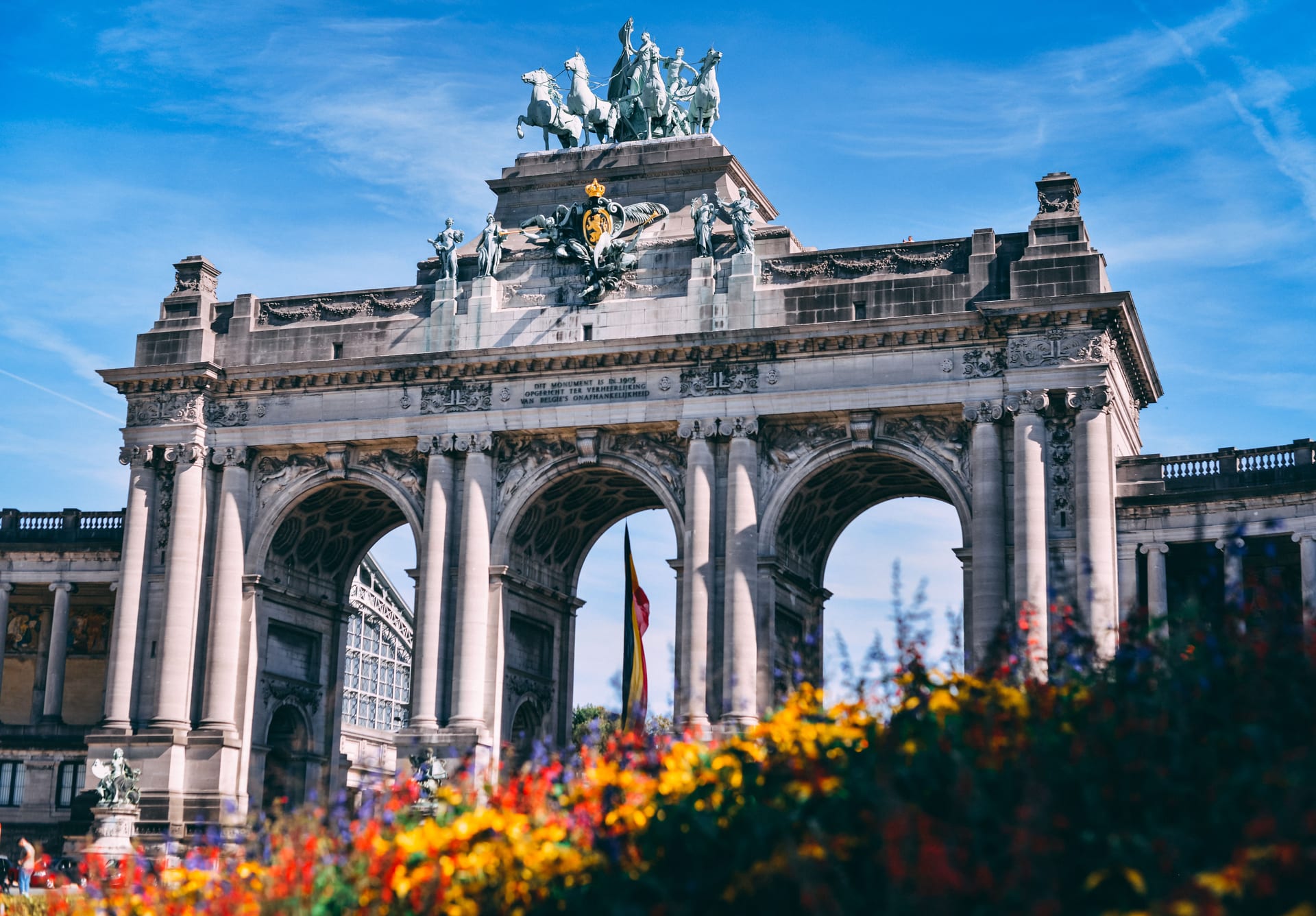
 Belgium
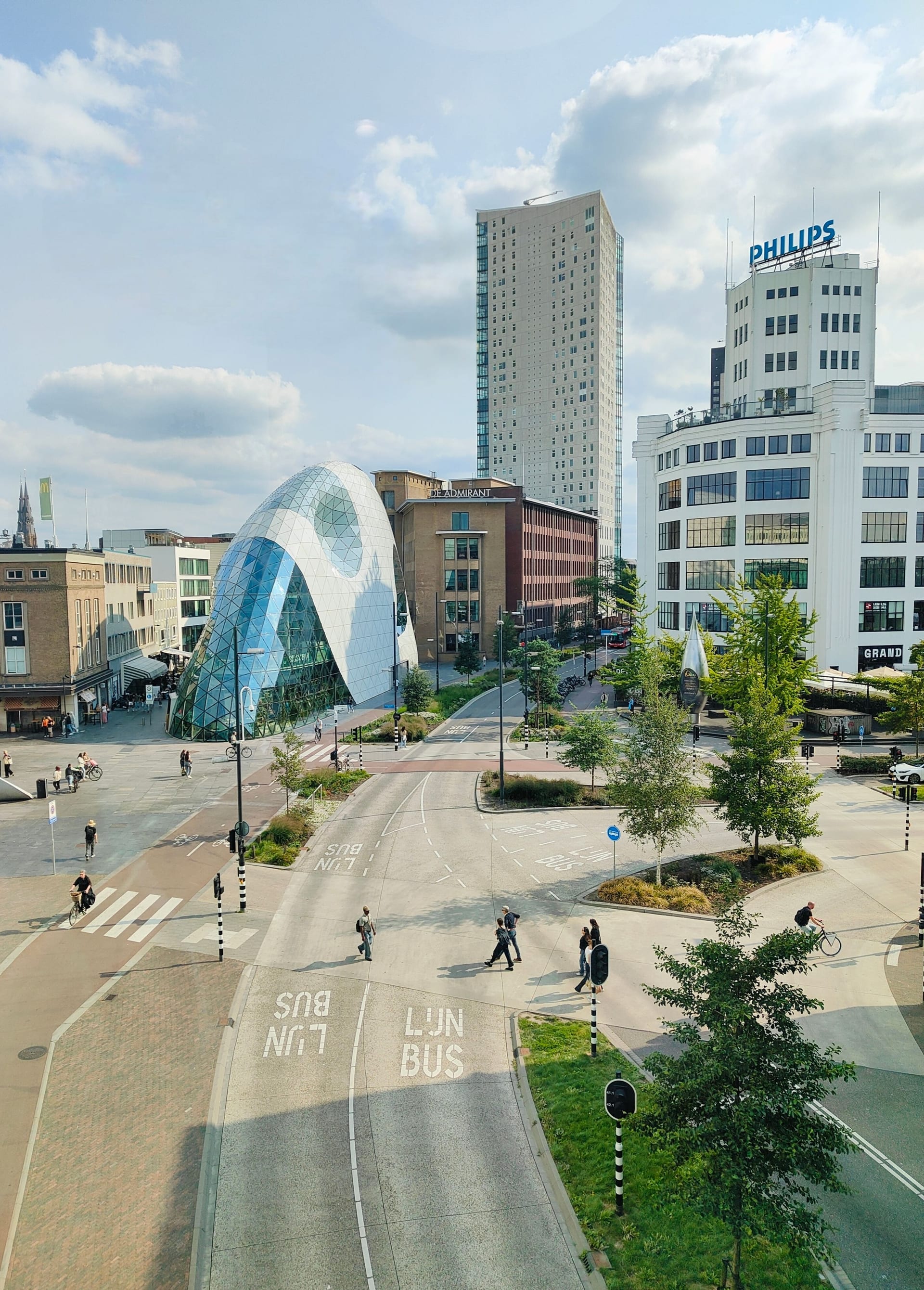
 Netherlands
Brussels makes sense if
- You want the deeper culture and food scene.
Brussels mixes museums, international dining and EU-facing work in a multilingual city. Eindhoven is smaller and engineering-led, where excellent cycling routes and a tidy centre shape a calmer daily routine.
The grey shape is all 283 cities; each row says whether lower or higher is better. Ratings out of 10 are our reviewed estimates; the rest is published data. How we measure
Set how much each area counts. The ranking updates as you go. Climate and values are left out because there is no better or worse there, only your taste.
Leads on safety & health and work & family; stands out for less bureaucracy and traffic flow.
Narrowly best on city life: 69 vs Eindhoven's 68; stands out for local culture and music & art scene.
Scores out of 100, averaged from the areas you weighted. For a ranking built around your own situation, take the quiz.
Rent on a new lease, everyday prices and tax.
The year month by month. Whether it suits you is yours to judge.
Solid line: average daytime high. Dashed: night-time low. Point at the chart for any month; point at a city name to shade its range.
How easily you get to water, mountains and green space.
Getting around on foot, food, culture and the feel of the streets.
Crime, how safe people feel, and the care you would get.
Jobs, working culture, schools and raising kids.
Visas, language, paperwork and staying connected.
Where each city sits. There is no right end of these scales.
A walkable, fairly dense city where a car is more convenience than necessity. Neighbourhoods have their own distinct character, from grand institutional quarters to scruffier, livelier pockets, and daily life leans on foot and transit.
Eindhoven is small, low-density, and easygoing in a way that the bigger Dutch cities are not. The pace is calm, homes come with more space than Amsterdam offers, and the centre is walkable without the crush of a major metro.
Serious violent crime is low and the roads are well managed, so the baseline is reassuring. Petty crime is the real soft spot: pickpocketing and bag-snatching around stations and busy districts are common, and how safe the streets feel at night varies a lot by area.
Safety is a genuine strength. Violent crime is very low, the streets feel secure after dark, and traffic is notably well managed for cyclists and pedestrians, in line with the safest Dutch cities.
The EU institutions, NATO, and the lobbying and trade-association world built around them make Brussels unusually rich in international and policy careers, with low unemployment and dense professional networks. Belgium's health system is one of its quiet strengths, with strong hospitals, reliable emergency care, and short waits relative to many neighbours.
Eindhoven has an unusually strong market for technology, hardware, and engineering, with low unemployment, abundant English-language roles, and a well-developed startup ecosystem. Care quality is high and the system is dependable, with good hospital access and strong English support in clinics, which smooths the path for newcomers.
Brussels punches above its size culturally, with serious museums, a strong music and art scene, and an exceptionally international dining mix reflecting its expat makeup. Free Grand-Place life and festivals run year-round, but otherwise EU-capital prices mean daily enjoyment doesn't come cheap.
The cultural offer is good for a city this size without rivalling Amsterdam's depth of museums, music, and dining. Eindhoven keeps the tidy Dutch upkeep you'd expect, its modern centre functional and well-maintained.
Brussels suits someone seeking an international social mix, museums and policy work. Eindhoven is the better match for a bike-oriented routine and a stronger safety profile.
These numbers treat everyone the same. The quiz weighs them by your budget, climate taste, family and work, and ranks all 283 cities for you.