 Mexico
Cancún makes sense if
- You want the easier housing and budget equation in this comparison.
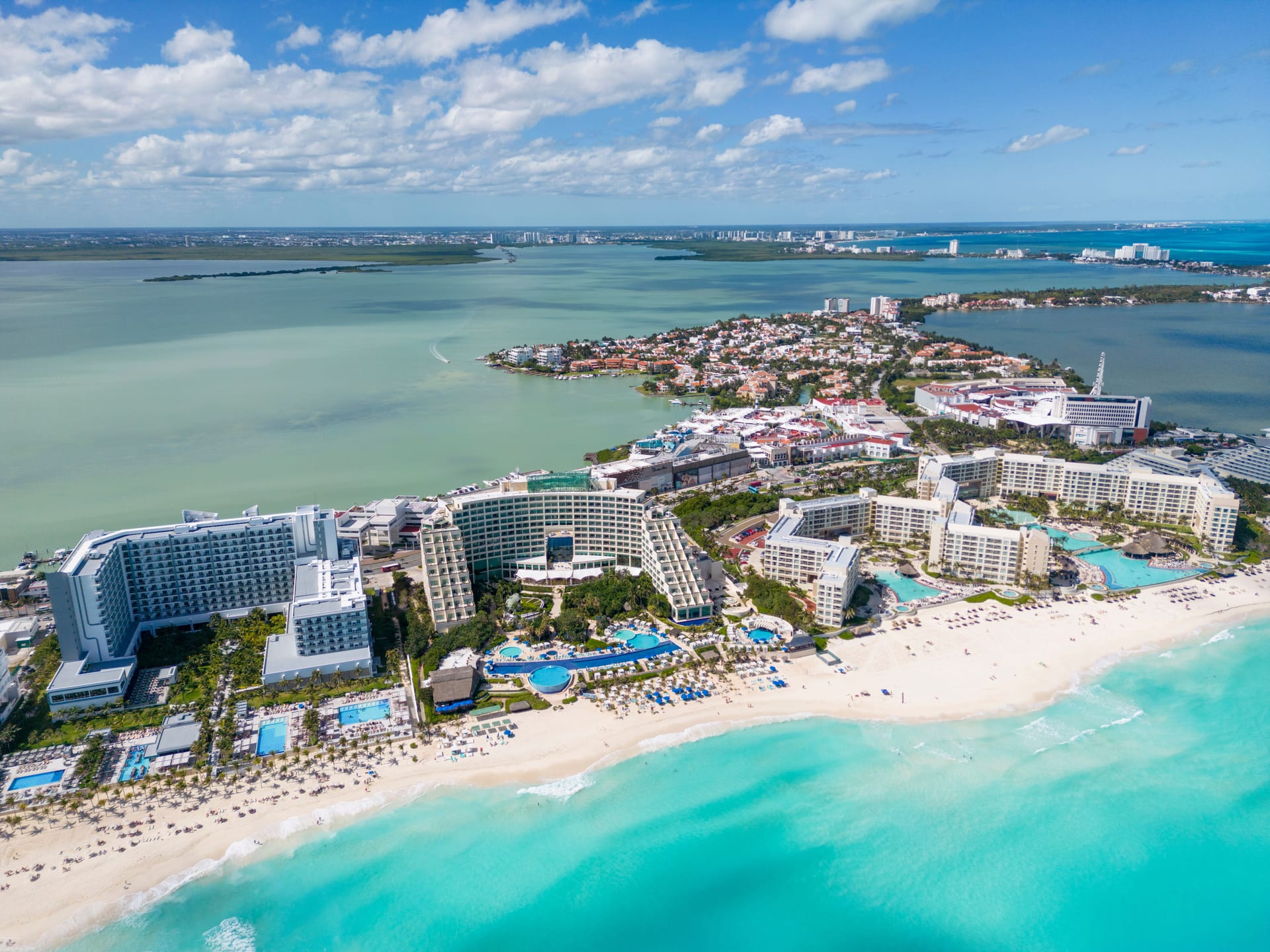
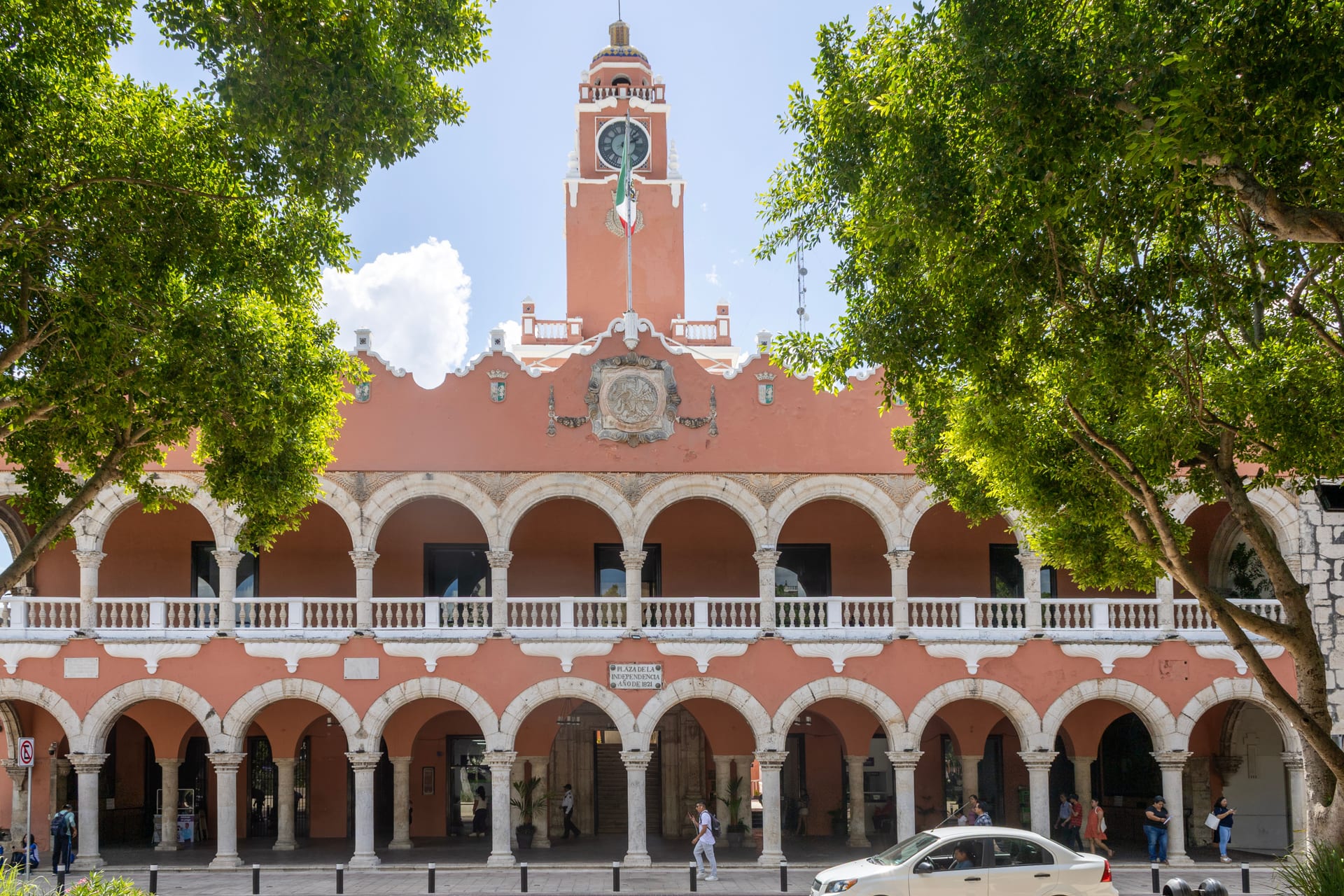
Cancún's hotel zone is kept for visitors, while downtown feels rougher and the resort layout leaves few shared squares. Mérida's colonial centre is calmer and more orderly, with Paseo de Montejo, a lively zócalo and local festivals filling its public spaces.
The grey shape is all 283 cities; each row says whether lower or higher is better. Ratings out of 10 are our reviewed estimates; the rest is published data. How we measure
Set how much each area counts. The ranking updates as you go. Climate and values are left out because there is no better or worse there, only your taste.
Leads on city life and safety & health; stands out for local culture and easier house-hunting.
Leads on nature & outdoors and moving & settling in; stands out for beach & sea and flight connections.
Scores out of 100, averaged from the areas you weighted. For a ranking built around your own situation, take the quiz.
Rent on a new lease, everyday prices and tax.
The year month by month. Whether it suits you is yours to judge.
Solid line: average daytime high. Dashed: night-time low. Point at the chart for any month; point at a city name to shade its range.
How easily you get to water, mountains and green space.
Getting around on foot, food, culture and the feel of the streets.
Crime, how safe people feel, and the care you would get.
Jobs, working culture, schools and raising kids.
Visas, language, paperwork and staying connected.
Where each city sits. There is no right end of these scales.
Getting around generally means a car, and walkability is patchy outside a few pockets. Anyone expecting the texture of a large Mexican city like Guadalajara will find Cancún quieter and more purpose-built.
A mid-sized, low-slung city that spreads out rather than up. Life leans heavily on the car, and walkability is patchy once you leave the historic centre.
Day-to-day violent crime sits at a moderate level and traffic is reasonably orderly, but petty theft and a thinner sense of safety after dark are worth taking seriously. Quintana Roo has seen security concerns tied to organised crime, and the wider national political stability picture is shaky, which weighs on the overall sense of ease.
Mérida's calling card. By the usual measures it is among the safest cities in Mexico, with low violent crime and a population that genuinely feels at ease walking around after dark.
Cancún's local market is narrow, with limited industry depth and little professional or startup momentum. Private clinics and hospitals serve the tourist economy and English is spoken more readily here than in much of Mexico, which smooths the experience for newcomers.
Mérida's local career market is thin, with limited industry depth, few English-language roles and little startup or tech activity. Workable but not a strength.
Food and nightlife are lively in the way a tourism hub tends to be, with plenty of restaurants, bars and an international crowd that makes settling in socially easy. Cancun splits in two: the hotel zone is kept tidy for visitors while downtown is rougher and grimier.
Yucatecan food and culture run deep here, distinct from central Mexico and proudly its own thing, from cochinita pibil to a steady calendar of plaza events and museums. Merida is calm and orderly, its colonial centro cleaner and safer than Mexico's big metros, anchored by the restored Paseo de Montejo and a lively zocalo.
Mérida is a better fit for a safer-feeling routine in a walkable historic centre. Cancún is the choice for beach life and more workable English-language jobs, with a more visitor-focused setting.
These numbers treat everyone the same. The quiz weighs them by your budget, climate taste, family and work, and ranks all 283 cities for you.