 Germany
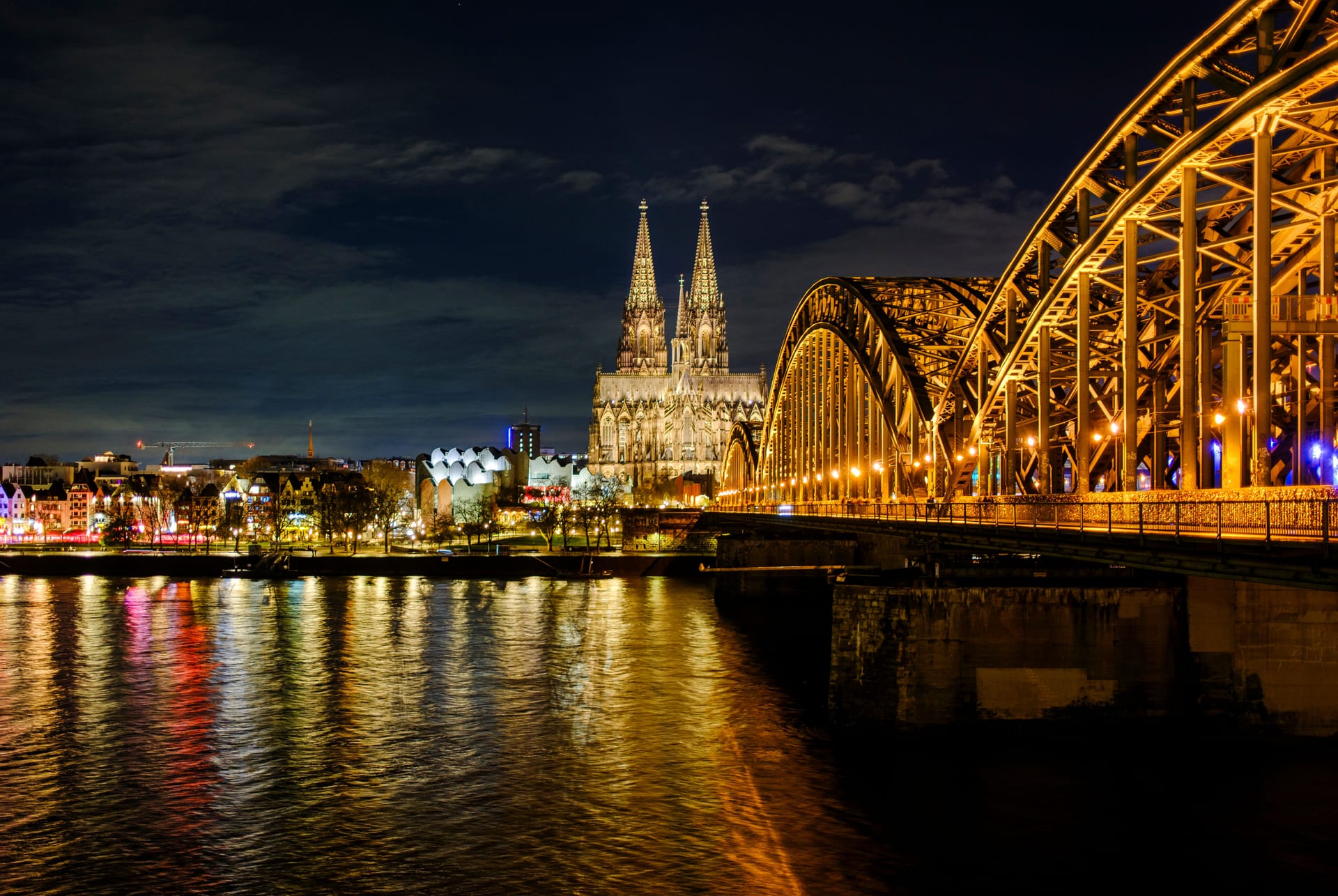
Cologne makes sense if
- Cologne is the choice for Carnival, nightlife and a stronger local cultural identity.
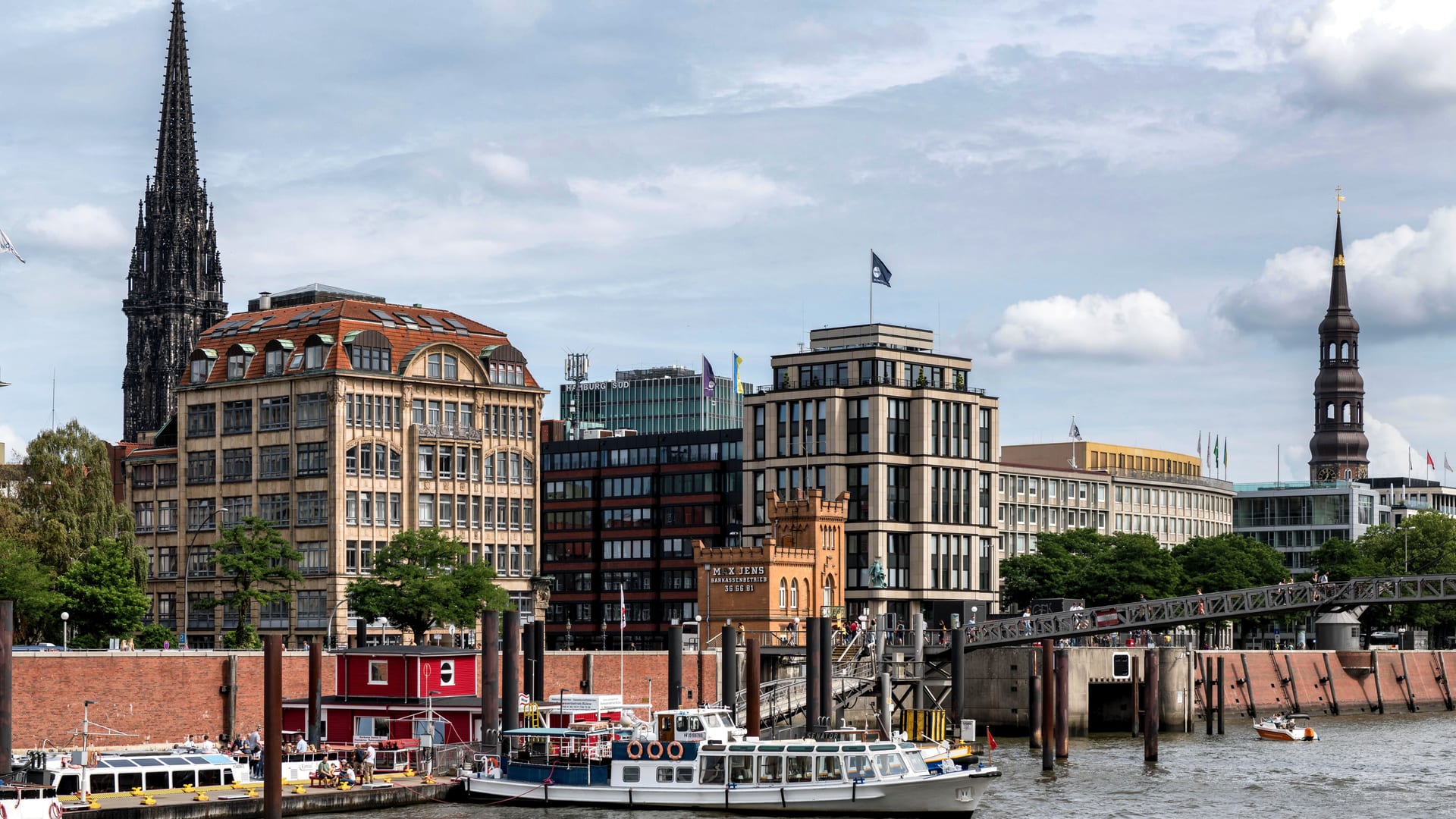
Cologne's cathedral plaza, Rhine promenade and Carnival give the city a friendly, communal public life. Hamburg's Alster, HafenCity and harbour promenades offer more carefully maintained shared spaces, while the port economy supports a broader local job base.
The grey shape is all 283 cities; each row says whether lower or higher is better. Ratings out of 10 are our reviewed estimates; the rest is published data. How we measure
Set how much each area counts. The ranking updates as you go. Climate and values are left out because there is no better or worse there, only your taste.
Leads on city life, safety & health and work & family; stands out for clean, cared-for streets and beach & sea.
Tied best on money with Hamburg, both 67; stands out for hiking.
Scores out of 100, averaged from the areas you weighted. For a ranking built around your own situation, take the quiz.
Rent on a new lease, everyday prices and tax.
The year month by month. Whether it suits you is yours to judge.
Solid line: average daytime high. Dashed: night-time low. Point at the chart for any month; point at a city name to shade its range.
How easily you get to water, mountains and green space.
Getting around on foot, food, culture and the feel of the streets.
Crime, how safe people feel, and the care you would get.
Jobs, working culture, schools and raising kids.
Visas, language, paperwork and staying connected.
Where each city sits. There is no right end of these scales.
A walkable, human-scale city where most errands can be done on foot or by tram, and neighbourhoods blend housing, shops and cafes rather than zoning them apart. The pace is relaxed by big-city standards, livelier than Munich but calmer than Berlin.
Hamburg is a major metropolis that still feels navigable, built around walkable, well-kept neighbourhoods rather than one dense core. Mixed-use districts and decent suburbs give it a settled, livable texture.
Safe by any reasonable measure, with very low serious-crime levels and notably good road safety. Pickpocketing and the usual big-city petty theft exist, especially around the station and during Carnival crowds, and the felt sense of safety after dark is solid without matching cautious, orderly Munich.
Among Hamburg's clearest strengths. Serious violent crime is rare, roads are well managed and safe, and most residents feel secure moving around by day.
Cologne offers a broad local job market with deep professional networks and low unemployment. Care is high quality and well resourced, with strong hospitals and dependable emergency services typical of a major German city.
A healthy local job market and low unemployment give Hamburg a solid base across established industries. Care quality is high and the financial risk of getting sick is low, in line with the German system.
Cologne punches above its size culturally, with strong museums, a real music and art scene, and nightlife that beats Munich's even if Berlin owns the late-night crown. Cologne keeps itself in functional German order, with a little Rhineland grit but nothing that wears you down.
A genuinely good cultural city, strong across restaurants, cafes, nightlife, museums, and a live music scene with real history behind it. Hamburg keeps its affluent port well-tended, orderly overall with a little harbour grit at the edges.
Hamburg suits someone drawn to waterfront walks, a busy festival calendar and a broader professional market. Cologne is the choice for Carnival, nightlife and a stronger local cultural identity.
These numbers treat everyone the same. The quiz weighs them by your budget, climate taste, family and work, and ranks all 283 cities for you.