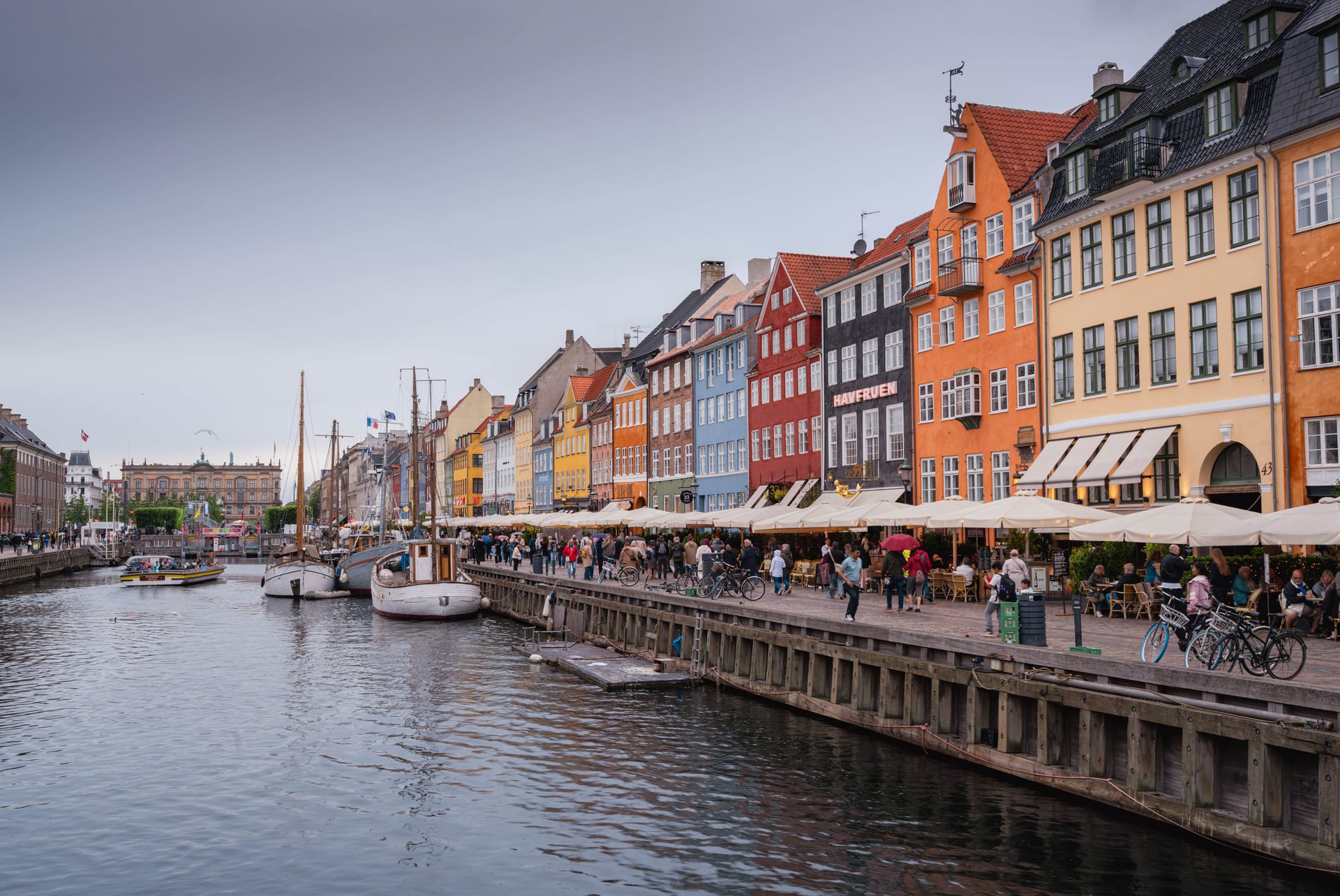
 Denmark
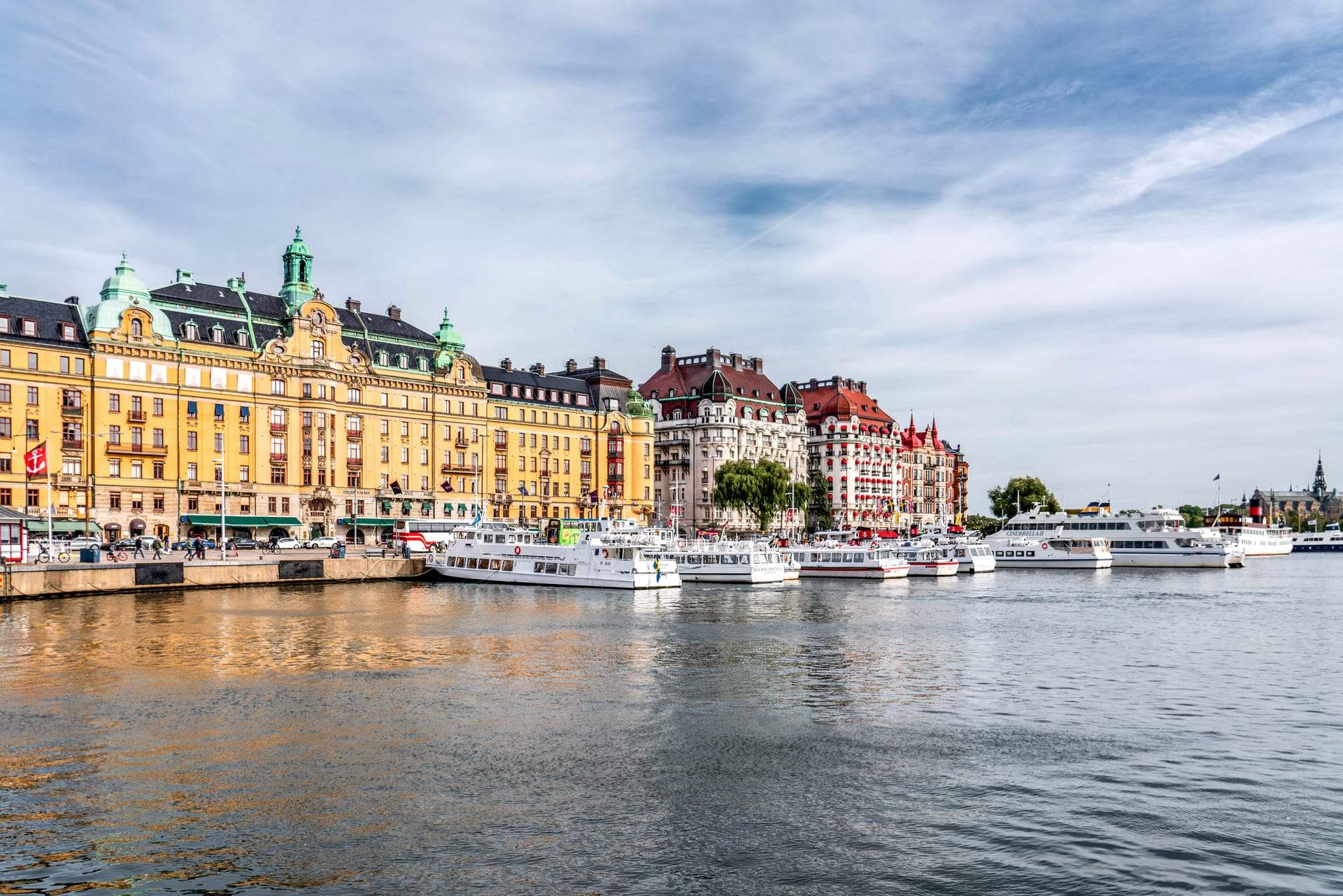
 Sweden
Copenhagen makes sense if
- A calmer day-to-day safety profile matters most to you.
- Access to stronger healthcare matters most to you.
- You value stronger public spaces and everyday city life.
Copenhagen's harbour, squares and cycle paths feel stitched into a single daily network. Stockholm is spread across islands, with Gamla Stan, waterfront promenades and open archipelago giving ordinary city walks a maritime feel.
The grey shape is all 283 cities; each row says whether lower or higher is better. Ratings out of 10 are our reviewed estimates; the rest is published data. How we measure
Set how much each area counts. The ranking updates as you go. Climate and values are left out because there is no better or worse there, only your taste.
Leads on money and nature & outdoors; stands out for hiking and national parks nearby.
Leads on city life and safety & health; stands out for cycling infrastructure and broadband speed.
Scores out of 100, averaged from the areas you weighted. For a ranking built around your own situation, take the quiz.
Rent on a new lease, everyday prices and tax.
The year month by month. Whether it suits you is yours to judge.
Solid line: average daytime high. Dashed: night-time low. Point at the chart for any month; point at a city name to shade its range.
How easily you get to water, mountains and green space.
Getting around on foot, food, culture and the feel of the streets.
Crime, how safe people feel, and the care you would get.
Jobs, working culture, schools and raising kids.
Visas, language, paperwork and staying connected.
Where each city sits. There is no right end of these scales.
The city proper is compact rather than sprawling, intensely walkable, and close to car-free for daily life. Neighbourhoods are well made and human-scaled, the suburbs are pleasant, and the pace sits calm without feeling sleepy.
Neighbourhoods are well-kept and human-scaled, car dependency is low, and the pace is unhurried rather than frenetic. Apartments tend to run on the smaller side, which is the usual catch in a city this dense and sought-after.
Violent crime is rare, the streets feel secure after dark, and traffic is managed with unusual care for cyclists and pedestrians. Petty theft exists in the tourist core as it does everywhere, but the baseline sense of security, day or night, is exceptional.
By almost any measure, Stockholm is very safe. Serious violent crime is rare, the streets feel secure after dark, and traffic is handled with a care that keeps road risk among the lowest anywhere.
Copenhagen has a healthy professional market and relatively high typical local employee pay. Care is high quality, emergency response is reliable, and out-of-pocket exposure is minimal under the public system.
Stockholm's tech and startup base is strong, and remote work is well supported. The public system is high quality and keeps personal costs low, with reliable emergency care and strong overall standards.
A serious food city, home to a renowned New Nordic restaurant scene, strong cafes, and good vegetarian options. Its public realm is world-class: harbour baths you can swim from, Nyhavn, squares and waterfront stitched together for daily use.
The food and cultural scene is confident and well-curated, from serious restaurants and a deep cafe culture to strong museums and a music scene with real international reach. Stockholm is a clean, orderly capital strung across its many islands.
Copenhagen is the better fit for cycling, public-space quality and easier healthcare access. Stockholm suits someone who wants island geography, water views and strong public care with some appointment waits.
These numbers treat everyone the same. The quiz weighs them by your budget, climate taste, family and work, and ranks all 283 cities for you.