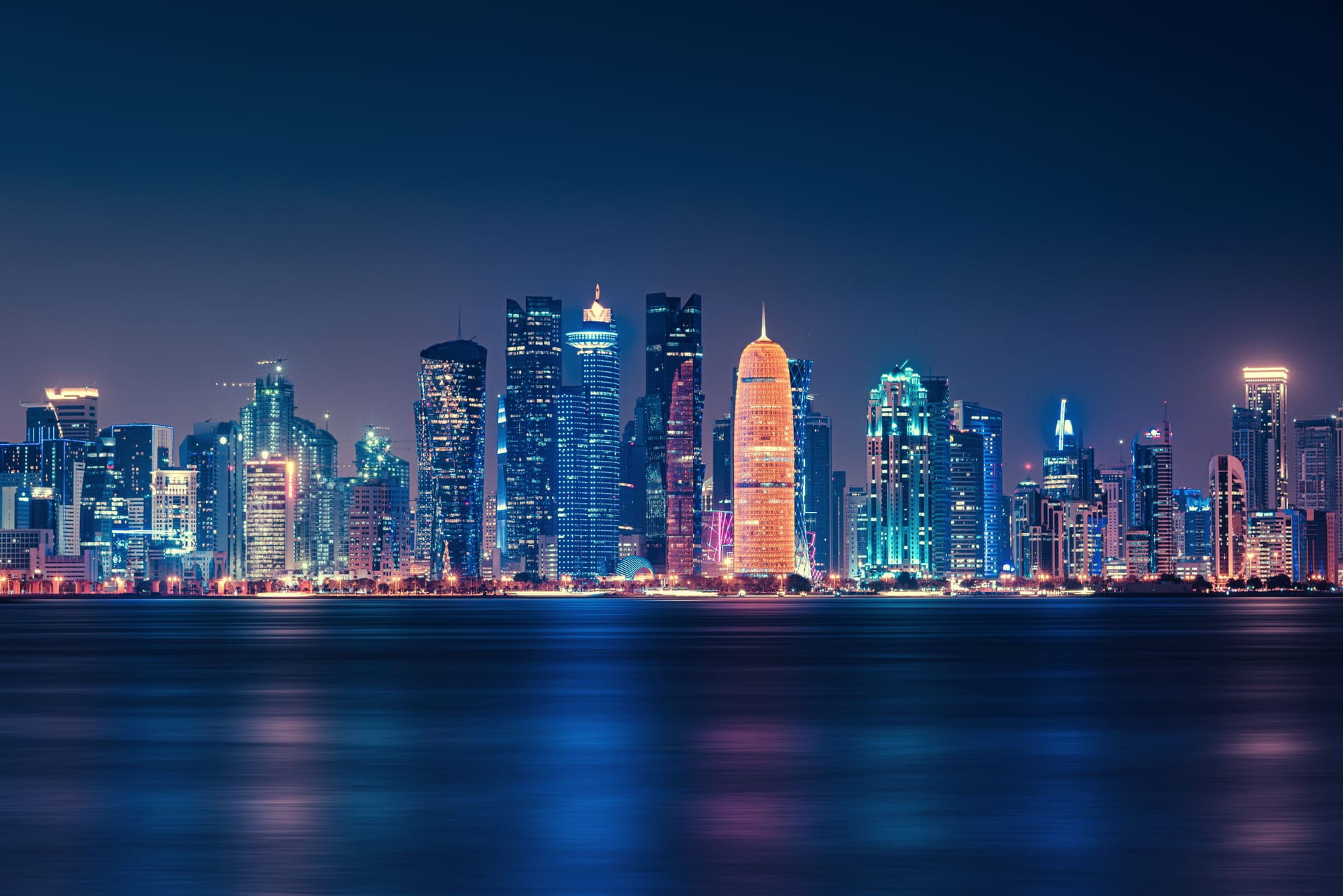
 Qatar
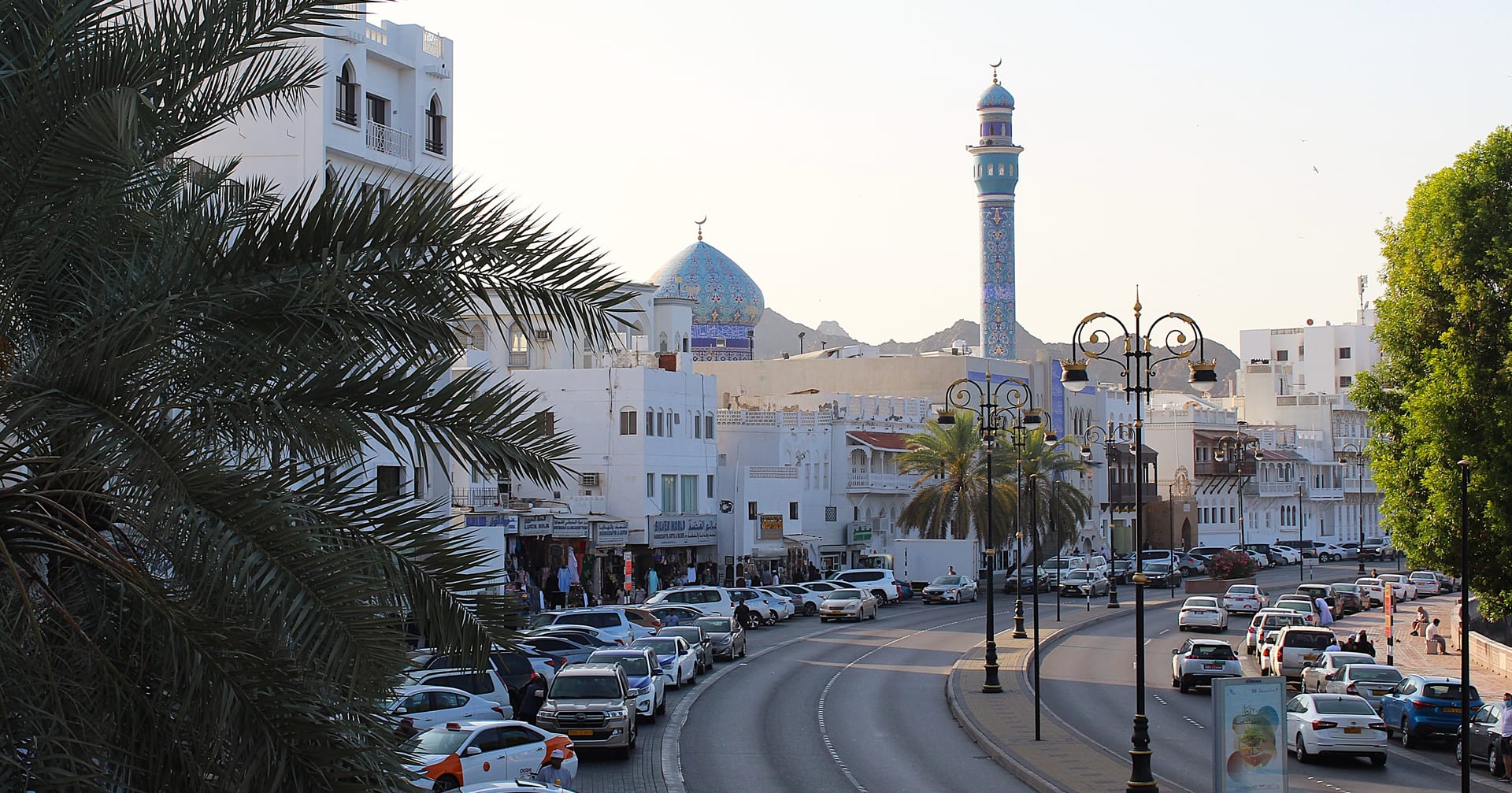
 Oman
Doha makes sense if
- A calmer day-to-day safety profile matters most to you.
- Access to stronger healthcare matters most to you.
- You want the broader career options in this comparison.
Doha's Corniche and Souq Waqif give public life two clear gathering places, alongside a strong English-language job market. Muscat has a quieter pace and usable healthcare, but local career options and professional networks are narrower.
The grey shape is all 283 cities; each row says whether lower or higher is better. Ratings out of 10 are our reviewed estimates; the rest is published data. How we measure
Set how much each area counts. The ranking updates as you go. Climate and values are left out because there is no better or worse there, only your taste.
Leads on money and nature & outdoors; stands out for mountains and hiking.
Leads on city life, safety & health, work & family and moving & settling in; stands out for flight connections and public transport.
Scores out of 100, averaged from the areas you weighted. For a ranking built around your own situation, take the quiz.
Rent on a new lease, everyday prices and tax.
The year month by month. Whether it suits you is yours to judge.
Solid line: average daytime high. Dashed: night-time low. Point at the chart for any month; point at a city name to shade its range.
How easily you get to water, mountains and green space.
Getting around on foot, food, culture and the feel of the streets.
Crime, how safe people feel, and the care you would get.
Jobs, working culture, schools and raising kids.
Visas, language, paperwork and staying connected.
Where each city sits. There is no right end of these scales.
Doha is compact and low-density for a capital, smaller than Dubai and spread out in a way that makes a car close to essential. Walkability is poor and neighbourhoods tend toward planned districts rather than organic street life.
Walking and mixed-use street life are limited, so daily errands usually require a car. The payoff is more generous housing space and a slower, quieter pace than a dense metropolis.
Doha's street safety is exceptionally strong. Political stability is also a strength.
Muscat is exceptionally calm in everyday life. Serious violence and petty theft are both uncommon, and walking after dark feels comfortable across the city.
Doha offers a strong employment market, with abundant English-language access and a dense professional network. Hospital quality and access are good, emergency care is reliable, and English is spoken throughout the medical system, which removes a major worry for newcomers.
Muscat's low unemployment and accessible English-language roles soften a narrow local market. Solid without being top-tier.
Doha has invested seriously in museums and cultural institutions, and on that front it arguably edges out Dubai. Doha is new, wealthy and spotless, with the Corniche and Souq Waqif giving it two real public draws on the water.
Muscat keeps a strong, authentic Omani character that Dubai has largely traded away, and the expat community is sizeable and welcoming. Muscat is notably clean and orderly, a low-rise capital that feels cared-for.
Doha is the better base for a defined professional opportunity and strong hospital access. Muscat suits someone seeking a slower rhythm and comfortable with a smaller local market.
These numbers treat everyone the same. The quiz weighs them by your budget, climate taste, family and work, and ranks all 283 cities for you.