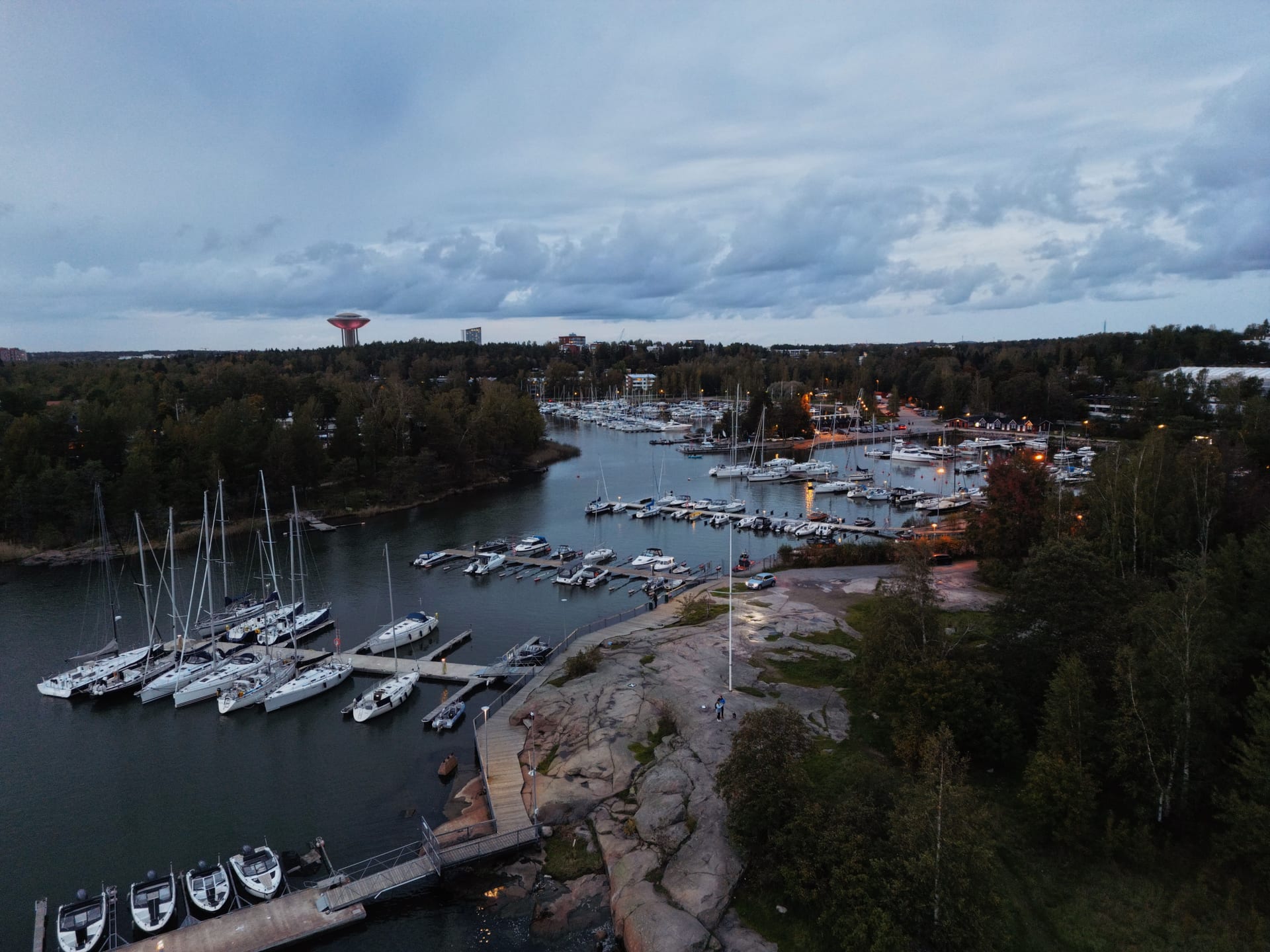
 Finland
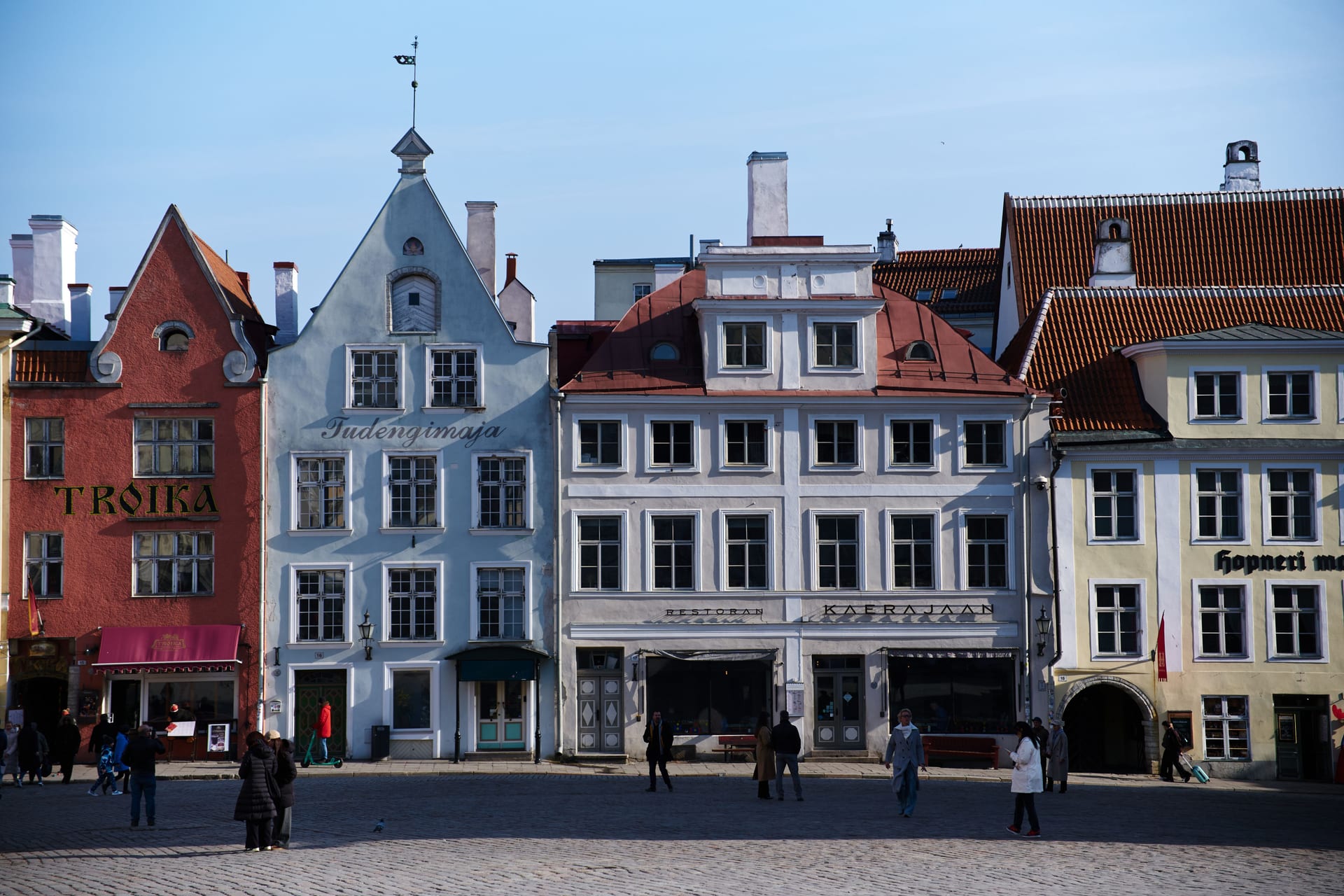
 Estonia
Espoo makes sense if
- A calmer day-to-day safety profile matters most to you.
- Access to stronger healthcare matters most to you.
- You value stronger public spaces and everyday city life.
Espoo’s forests and suburban quiet suit residents who want a calm base, with strong safety and healthcare as practical strengths. Tallinn gives a smaller-scale urban alternative, pairing an intimate old-town setting with homegrown Estonian culture and a lively tech-startup community.
The grey shape is all 283 cities; each row says whether lower or higher is better. Ratings out of 10 are our reviewed estimates; the rest is published data. How we measure
Set how much each area counts. The ranking updates as you go. Climate and values are left out because there is no better or worse there, only your taste.
Leads on nature & outdoors, safety & health, work & family and moving & settling in; stands out for childcare and lakes & rivers.
Leads on money and city life; stands out for nightlife and music & art scene.
Scores out of 100, averaged from the areas you weighted. For a ranking built around your own situation, take the quiz.
Rent on a new lease, everyday prices and tax.
The year month by month. Whether it suits you is yours to judge.
Solid line: average daytime high. Dashed: night-time low. Point at the chart for any month; point at a city name to shade its range.
How easily you get to water, mountains and green space.
Getting around on foot, food, culture and the feel of the streets.
Crime, how safe people feel, and the care you would get.
Jobs, working culture, schools and raising kids.
Visas, language, paperwork and staying connected.
Where each city sits. There is no right end of these scales.
Espoo barely reads as a city in the usual sense. It is a low-density, suburban patchwork of districts strung along transit lines rather than one walkable centre, and a car is genuinely useful here in a way it rarely is in Helsinki proper or Berlin.
Tallinn is compact and low-rise, far smaller than Helsinki and a fraction of a major European capital. The core is genuinely walkable, car dependency is low, and most errands stay within a short radius.
Violent crime is rare, petty theft is uncommon, and walking alone at night feels unremarkable to most residents. Traffic is calm and well-managed, and the broader political backdrop is stable.
Serious crime is rare, the roads are well managed, and walking around after dark feels comfortable in most areas. Petty theft exists around tourist spots but stays at the low end, and the country's institutions are stable.
Espoo is a strong base for technology and engineering work, with a well-developed startup scene, good professional networks, and remote roles that are accessible in English. Care is solid and dependable, with reliable emergency services and a public system that holds up well, though there are fewer doctors per resident than in some larger European cities, so non-urgent appointments can mean a wait.
Tallinn's tech and startup base is a real strength, with English-language and remote-friendly work readily available. Care is solid and dependable without being world-leading.
Espoo's restaurant, cafe, and arts scene is modest, and nightlife is genuinely thin, with most of the region's culture and late hours concentrated across the water in Helsinki. Espoo is pristine and orderly, immaculate in the Finnish way.
The cultural offering is decent and intimate rather than expansive. Tallinn keeps its medieval core tidy, with some Soviet-block edges still showing wear.
Tallinn suits someone who wants historic streets, local restaurants, and a closer-knit cultural scene without giving up an active technology sector. Espoo is more appealing for families or professionals prioritising green space, personal safety, and dependable care over a dense city centre.
These numbers treat everyone the same. The quiz weighs them by your budget, climate taste, family and work, and ranks all 283 cities for you.