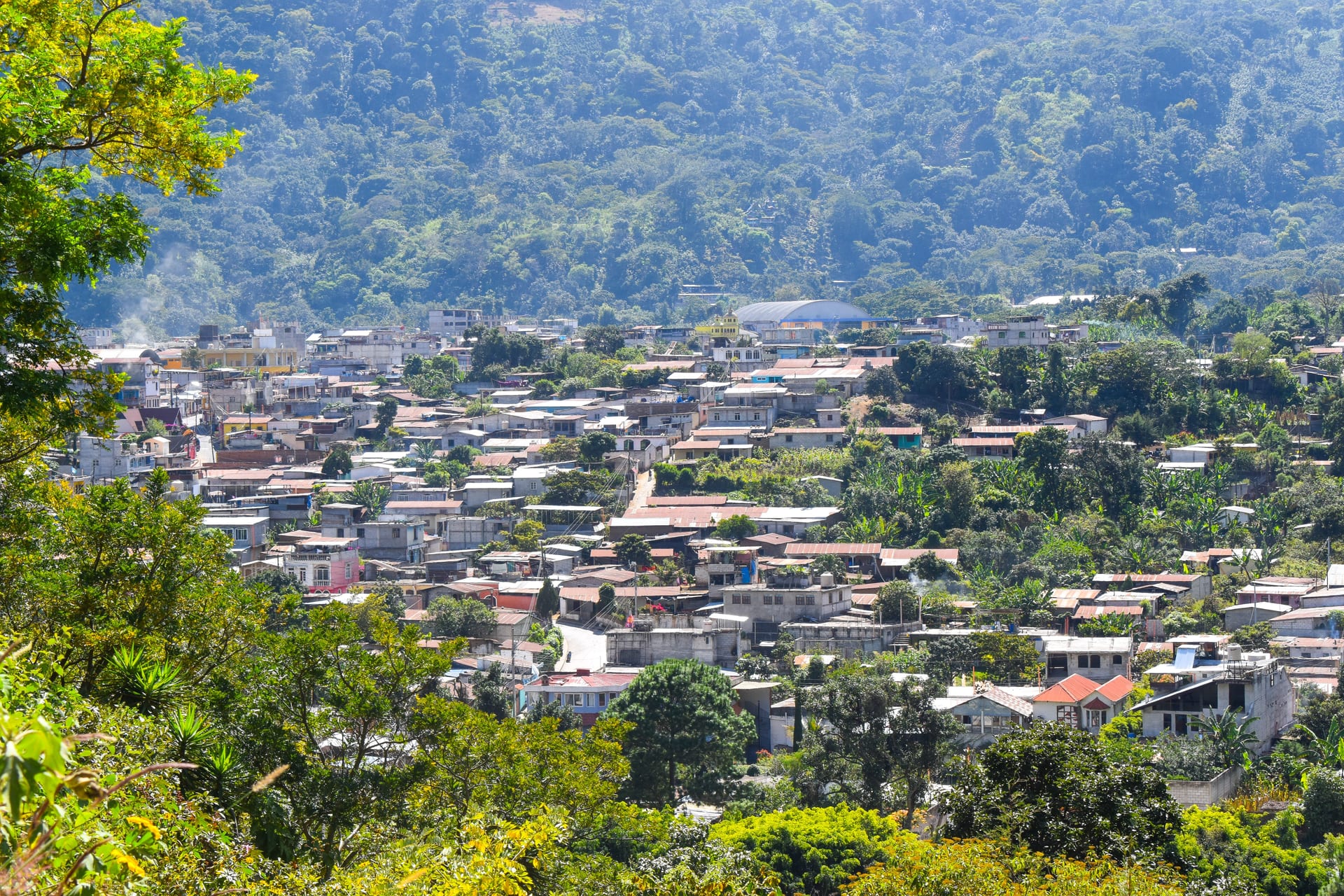
 Guatemala
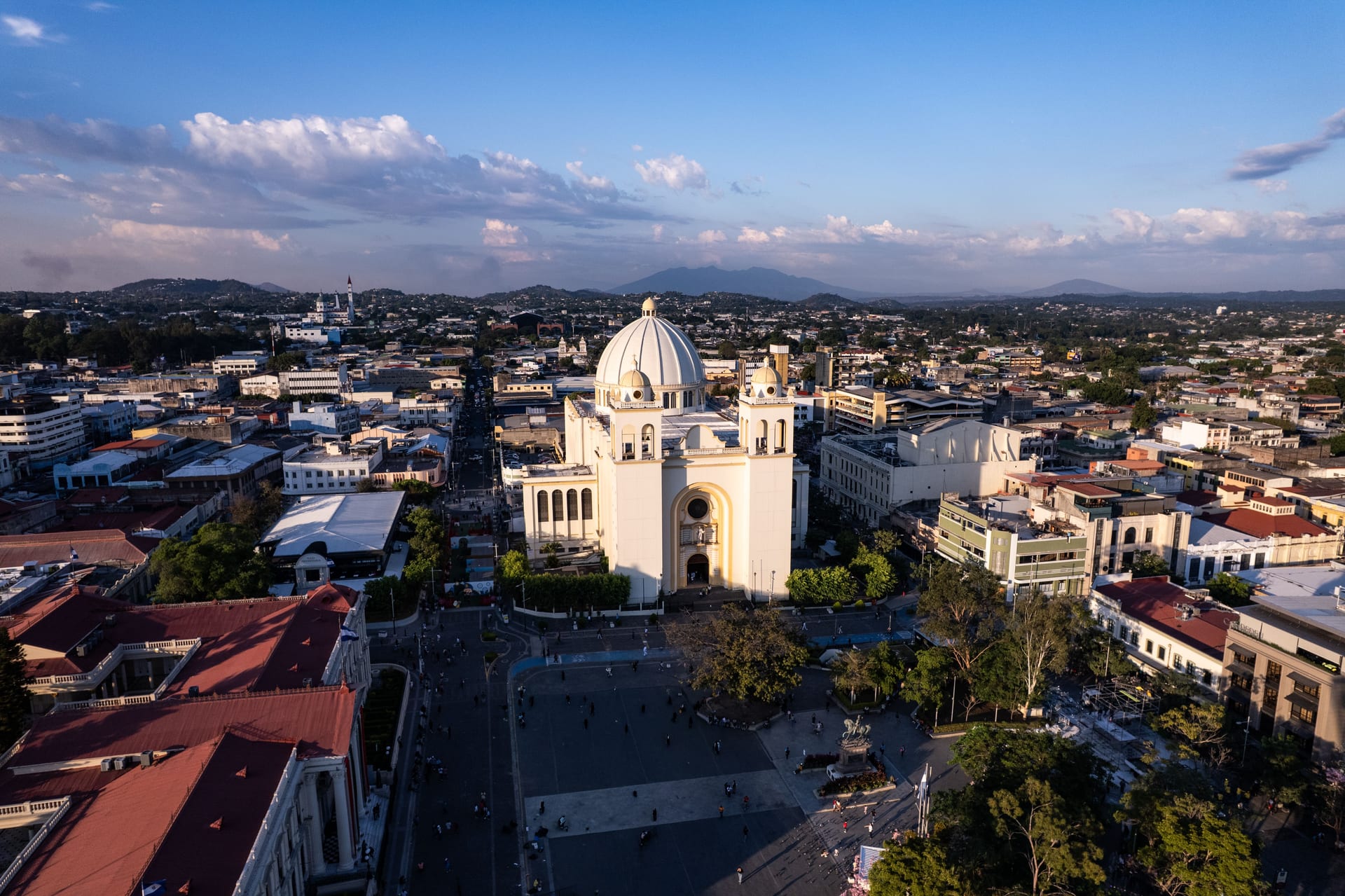
 El Salvador
Guatemala City makes sense if
- You want the easier housing and budget equation in this comparison.
- You want the broader career options in this comparison.
- You want the deeper culture and food scene.
Guatemala City's milder weather comes with poor air quality and a narrow local job market. San Salvador is a compact capital with a recent security turnaround, Spanish-led daily life and volcanoes, lakes and Pacific beaches close by; its career depth remains limited.
The grey shape is all 283 cities; each row says whether lower or higher is better. Ratings out of 10 are our reviewed estimates; the rest is published data. How we measure
Set how much each area counts. The ranking updates as you go. Climate and values are left out because there is no better or worse there, only your taste.
Leads on safety & health; stands out for feels safe day to day and less violent crime.
Leads on money; stands out for fewer muggy days and milder summers.
Scores out of 100, averaged from the areas you weighted. For a ranking built around your own situation, take the quiz.
Rent on a new lease, everyday prices and tax.
The year month by month. Whether it suits you is yours to judge.
Solid line: average daytime high. Dashed: night-time low. Point at the chart for any month; point at a city name to shade its range.
How easily you get to water, mountains and green space.
Getting around on foot, food, culture and the feel of the streets.
Crime, how safe people feel, and the care you would get.
Jobs, working culture, schools and raising kids.
Visas, language, paperwork and staying connected.
Where each city sits. There is no right end of these scales.
Walkability is poor, distances are long, and life clusters into pockets of safer, leafier zonas rather than one continuous fabric. Some neighbourhoods are genuinely pleasant and homes offer decent space, but the overall layout asks for a car and patience in traffic.
Walkability is poor and car dependency runs high, with mixed-use streets and polished suburbs both in short supply. The flip side is a calm, unhurried tempo and reasonable space at home for the money.
Safety is the city's hardest weakness and shapes daily habits more than anything else. Petty theft, perceived danger and walking at night all rate poorly, and political stability is shaky.
After years defined by gang violence, the homicide rate has dropped to among the lowest in the Americas, and perceived and nighttime safety now sit clearly above Mexico City or Bogotá. The improvement is the headline.
Local pay is low by the wider city comparison, and industry breadth, professional networks, and startup options remain limited. Care is uneven.
San Salvador has low unemployment, but local employment remains narrow and lightly connected to specialised work. Healthcare is the soft spot.
Culture leans local and rooted rather than cosmopolitan. Guatemala City is congested and grimy, its upkeep uneven and whole zones plainly neglected.
The cultural offer is modest and homegrown rather than cosmopolitan. San Salvador is dense and chaotic, its upkeep uneven despite recent improvements, with a restored historic center but little public space beyond it.
San Salvador is appealing if a compact urban base and access to outdoor escapes fit your routine. Guatemala City may be easier climatically, but local work is constrained in both places, so secure income before relying on the job market.
These numbers treat everyone the same. The quiz weighs them by your budget, climate taste, family and work, and ranks all 283 cities for you.