 United States
Honolulu makes sense if
- A calmer day-to-day safety profile matters most to you.
- You want the deeper culture and food scene.
- You value stronger public spaces and everyday city life.
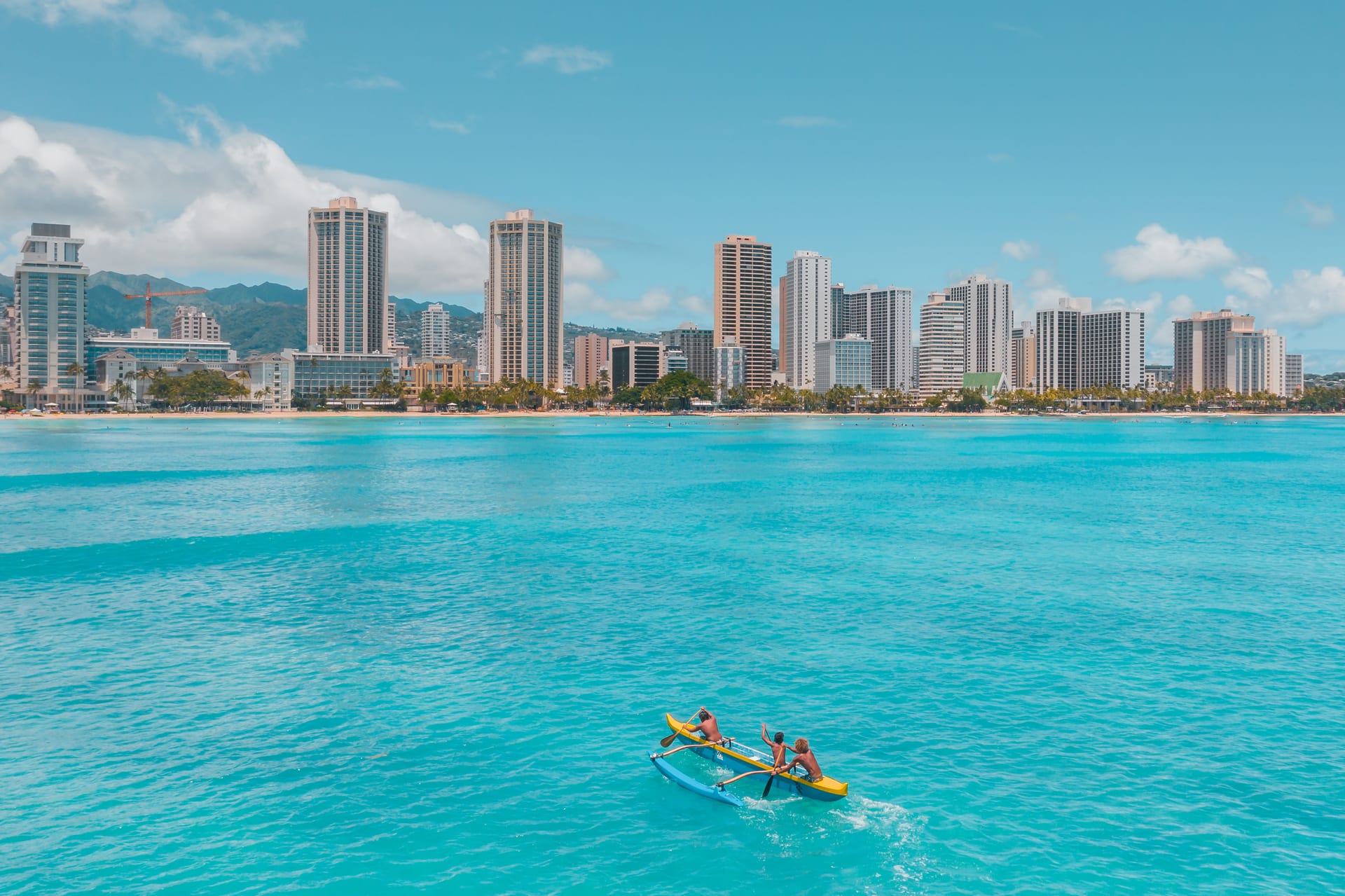
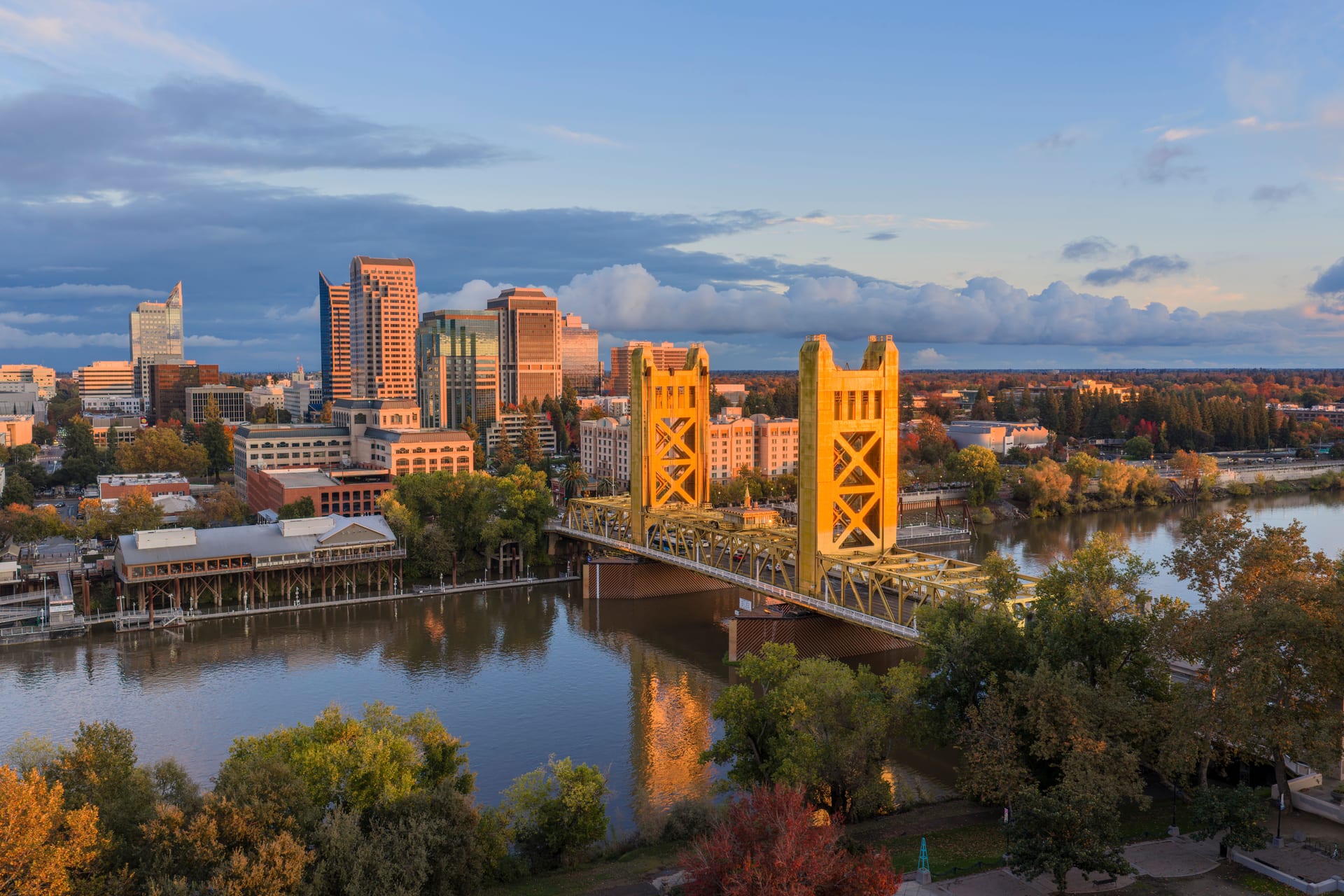
Sacramento is a sunny, low-rise capital where daily life leans heavily on the car. Honolulu wraps a harbour between mountains and open ocean, with warm weather and an outdoor-first pace, but high living costs and distance from elsewhere shape life there.
The grey shape is all 283 cities; each row says whether lower or higher is better. Ratings out of 10 are our reviewed estimates; the rest is published data. How we measure
Set how much each area counts. The ranking updates as you go. Climate and values are left out because there is no better or worse there, only your taste.
Leads on nature & outdoors, city life and safety & health; stands out for beach & sea and local culture.
Leads on work & family and moving & settling in; stands out for fewer muggy days and easier pet import.
Scores out of 100, averaged from the areas you weighted. For a ranking built around your own situation, take the quiz.
Rent on a new lease, everyday prices and tax.
The year month by month. Whether it suits you is yours to judge.
Solid line: average daytime high. Dashed: night-time low. Point at the chart for any month; point at a city name to shade its range.
How easily you get to water, mountains and green space.
Getting around on foot, food, culture and the feel of the streets.
Crime, how safe people feel, and the care you would get.
Jobs, working culture, schools and raising kids.
Visas, language, paperwork and staying connected.
Where each city sits. There is no right end of these scales.
For a state capital, Honolulu stays small and low-key, far more compact than the mainland metros it gets grouped with. The pace is unhurried.
Homes come with more space than the Bay Area allows, and several leafy neighbourhoods and suburbs are genuinely pleasant. The flip side is a car-first layout, modest walkability and a calm, slow tempo that some will read as sleepy.
It reads as a safe city day to day, with low rates of serious violence and a generally calm feel after dark. Petty theft is the more common worry, the sort that comes with a tourist economy.
Serious violent crime is uncommon and the homicide picture is reassuring for an American city. Day-to-day, though, the read is more mixed: property crime, perceived safety and the feel of some areas after dark all sit middling, and comfort varies a good deal block to block.
The job market is narrow. Care quality is sound and every doctor works in English, which removes a hurdle newcomers face elsewhere.
The local market is steady, with English-language work and remote roles as practical strengths. Clinical quality is high, hospitals are well within reach, and everything runs in English, so the medical care itself is strong.
The food culture is the real draw, a genuine local cuisine shaped by Hawaiian, Japanese, Filipino, and Portuguese cooking, with good casual restaurants and cafes throughout. Honolulu keeps its touristy core maintained, though Waikiki shows some grime, and beyond the beachfront promenades it is a car-dependent city without much built public space.
The food scene is solid and farm-to-table minded, with dependable restaurants and cafes, though it does not reach the range of San Francisco. Sacramento is a capital city with uneven upkeep and visible homelessness on display.
Sacramento suits someone seeking a quieter inland city and a more affordable base, with driving built into daily routines. Honolulu offers a distinctive coastal setting and a safety edge, but its isolation and cost of living require a deliberate choice.
These numbers treat everyone the same. The quiz weighs them by your budget, climate taste, family and work, and ranks all 283 cities for you.