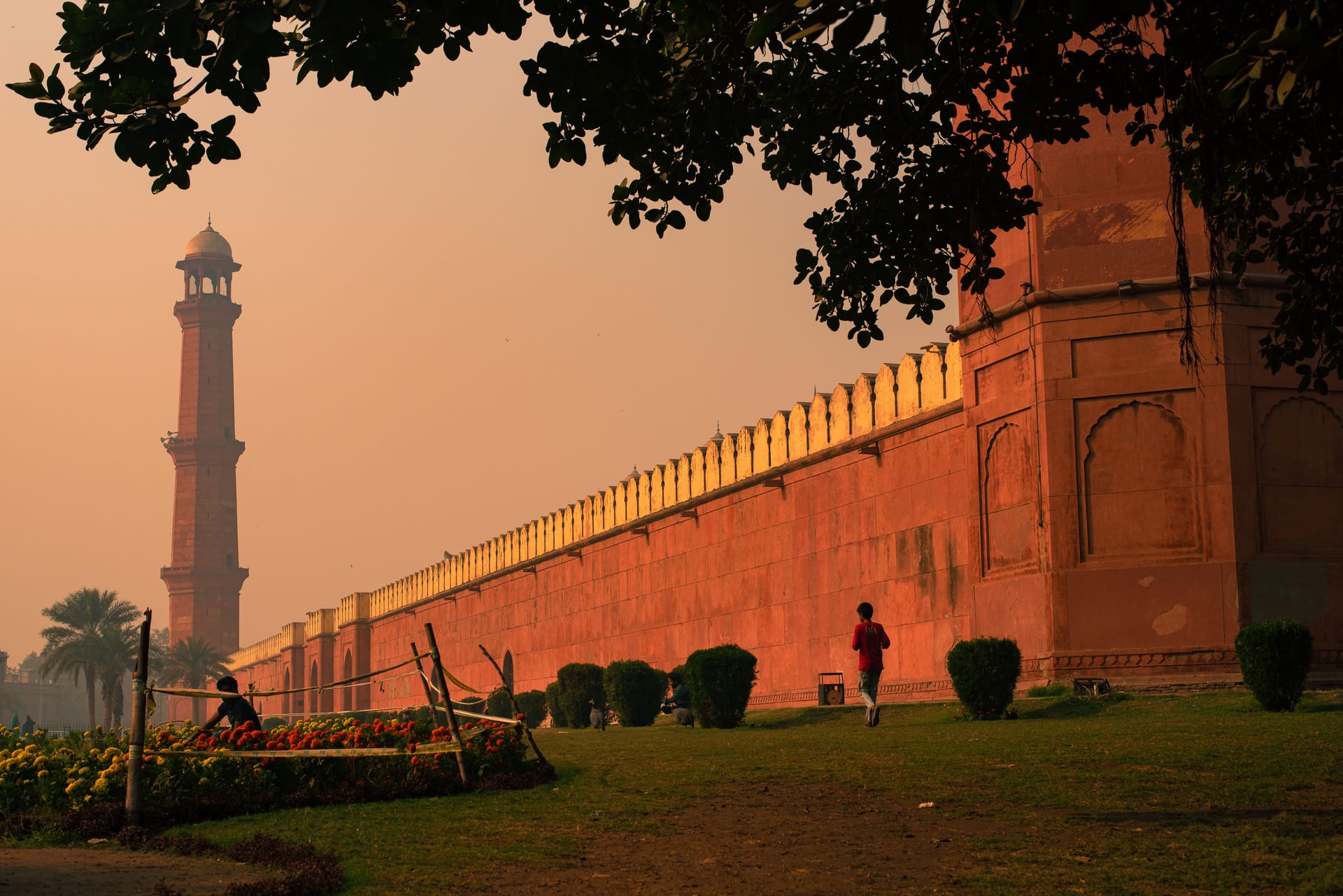
 Pakistan
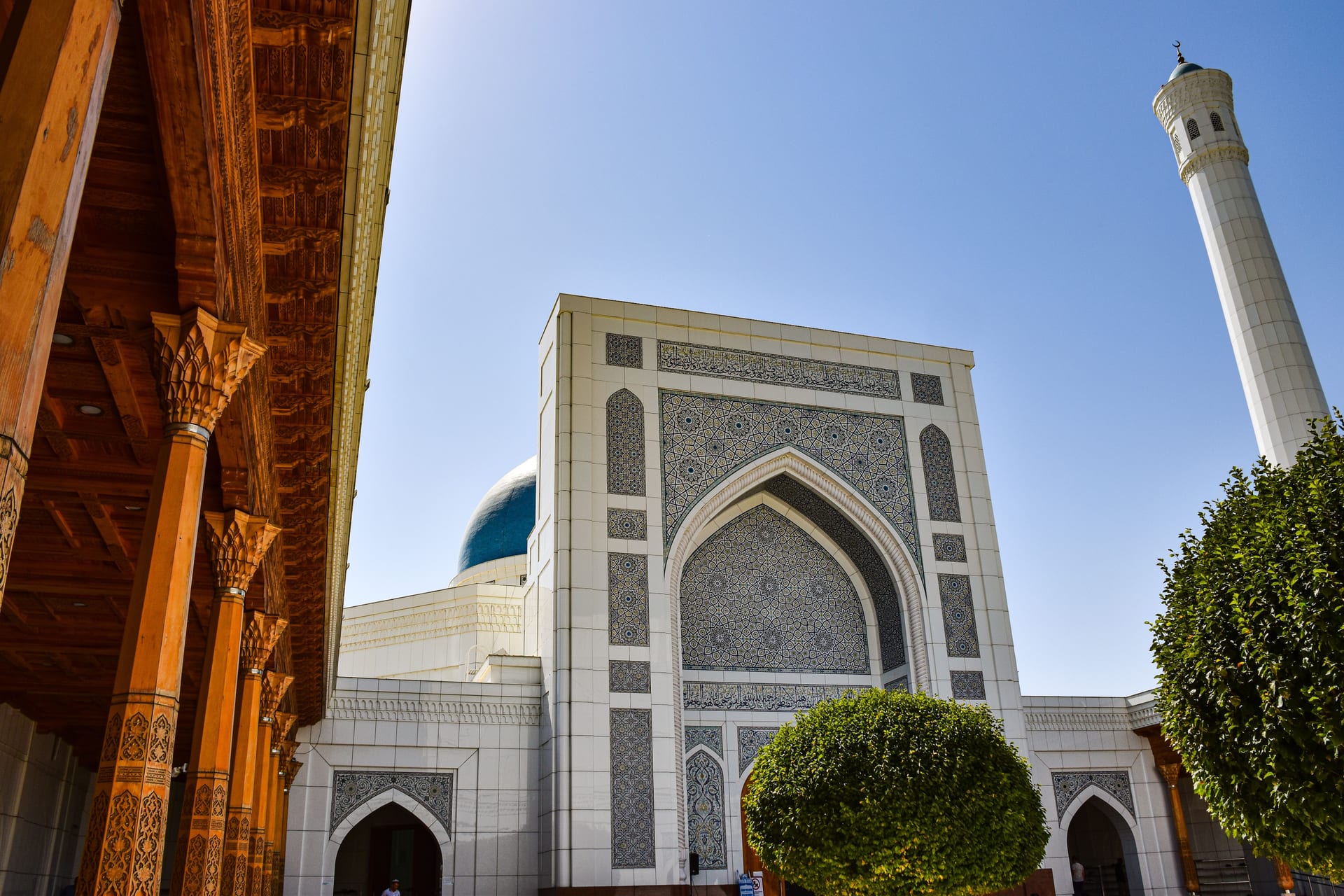
 Uzbekistan
Lahore makes sense if
- You want the broader career options in this comparison.
- You want the deeper culture and food scene.
Lahore is dense, conservative and deeply local, with food, history and Punjabi street life central to the city. Tashkent has bright, dry weather and little muggy heat, but modest local pay and limited career options make it a better base for outside income.
The grey shape is all 283 cities; each row says whether lower or higher is better. Ratings out of 10 are our reviewed estimates; the rest is published data. How we measure
Set how much each area counts. The ranking updates as you go. Climate and values are left out because there is no better or worse there, only your taste.
Leads on money, nature & outdoors, city life, safety & health, work & family and moving & settling in; stands out for rent that fits local pay and fewer muggy days.
Closest to the top on work & family, 8 points behind Tashkent; stands out for winter comfort and a smaller language barrier.
Scores out of 100, averaged from the areas you weighted. For a ranking built around your own situation, take the quiz.
Rent on a new lease, everyday prices and tax.
The year month by month. Whether it suits you is yours to judge.
Solid line: average daytime high. Dashed: night-time low. Point at the chart for any month; point at a city name to shade its range.
How easily you get to water, mountains and green space.
Getting around on foot, food, culture and the feel of the streets.
Crime, how safe people feel, and the care you would get.
Jobs, working culture, schools and raising kids.
Visas, language, paperwork and staying connected.
Where each city sits. There is no right end of these scales.
Lahore is huge, dense and built around the car, with traffic and sprawl that come with that. Walkability is low and getting around without a vehicle is a daily negotiation.
Tashkent is larger than its low-rise image suggests. It has the scale of a major urban catchment rather than a small capital.
Serious violent crime is relatively contained and the homicide picture is better than Karachi's. Where Lahore struggles is the broader sense of security: perceived safety and comfort walking at night are middling, and the national backdrop of political instability is a real and persistent drag.
Violent crime is rare, streets feel secure after dark, and the everyday sense of safety rivals the steadiest cities in the region. The weak spot is political: the country runs a tightly controlled, top-down system, so stability rests on continuity rather than open institutions.
The local market offers some English-language roles, but its breadth is limited and the startup scene is thin. Healthcare is functional rather than reassuring.
The local market is narrow, with limited industry depth, thin professional networks, and scarce English-language roles. The soft underbelly.
Food and culture are where Lahore shines. Lahore sits under heavy smog and dust, its dense old city showing weak upkeep.
Uzbek food and traditions are the headline. Tashkent is orderly and green, its broad Soviet avenues kept well-swept.
Lahore offers more local career activity and a rich street culture, if summer heat and poor air are manageable. Tashkent is the calmer climate choice for someone bringing income from elsewhere rather than building a local career.
These numbers treat everyone the same. The quiz weighs them by your budget, climate taste, family and work, and ranks all 283 cities for you.