 Switzerland
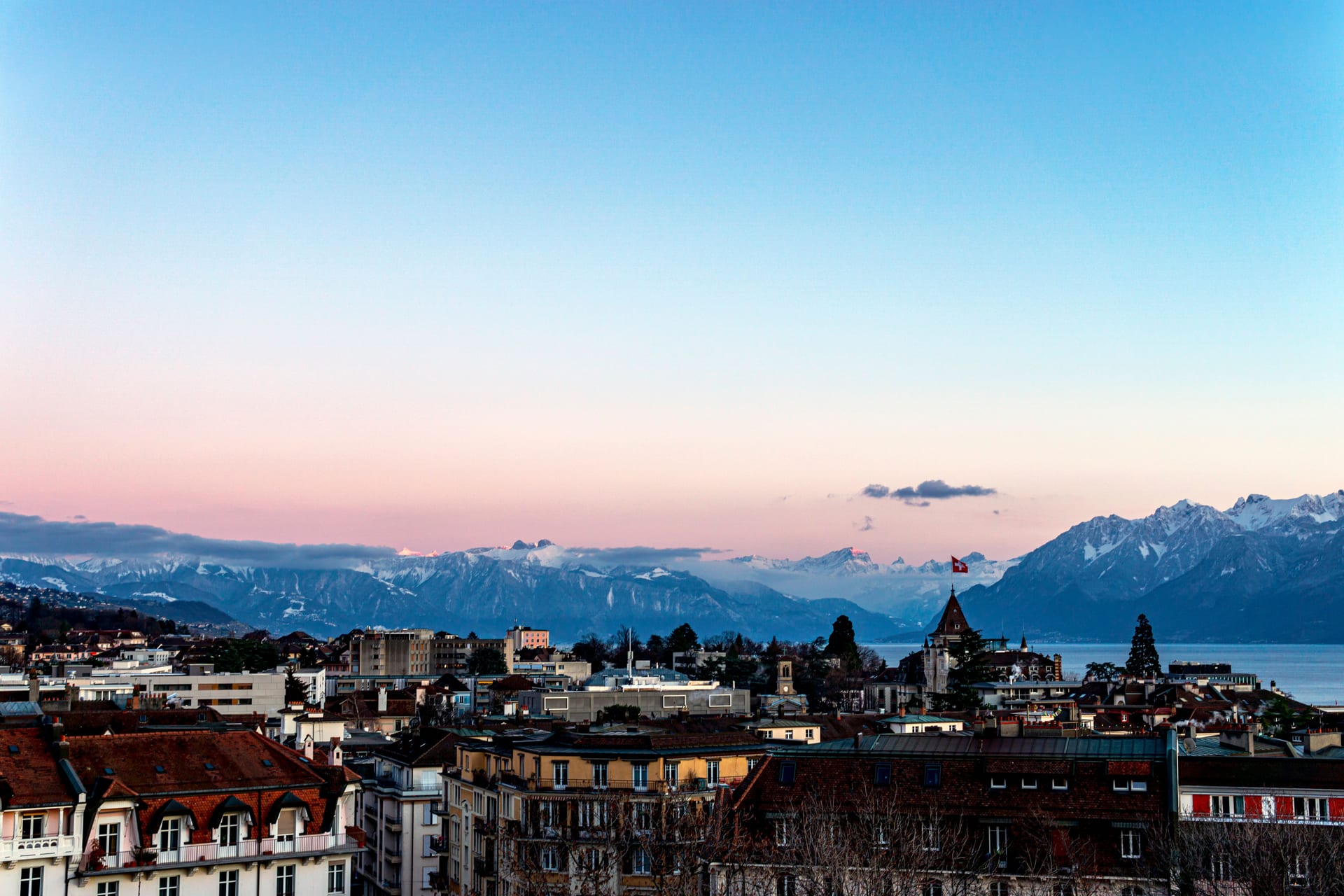
Lausanne makes sense if
- You want the easier housing and budget equation in this comparison.
- Access to stronger healthcare matters most to you.
- You want the deeper culture and food scene.
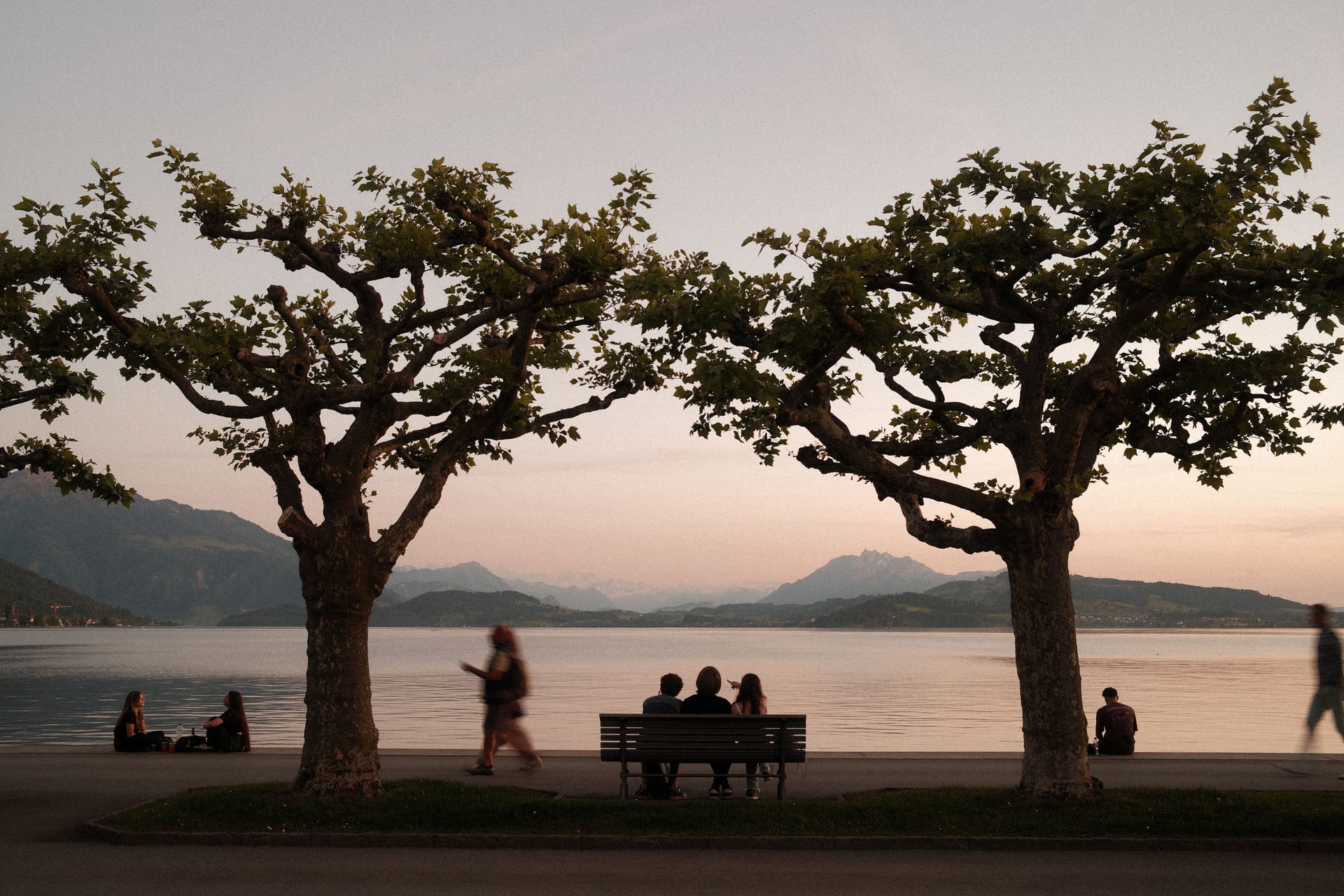
Lausanne is a polished lakeside city with a strong professional base and clean air, though winters are often grey. Zug is smaller and quiet, with an unusually strong professional market and high local pay; its long, rainy-grey season may be the main climate trade-off.
The grey shape is all 283 cities; each row says whether lower or higher is better. Ratings out of 10 are our reviewed estimates; the rest is published data. How we measure
Set how much each area counts. The ranking updates as you go. Climate and values are left out because there is no better or worse there, only your taste.
Leads on money and city life; stands out for museums & events and music & art scene.
Leads on nature & outdoors and safety & health; stands out for less petty crime and safe at night.
Scores out of 100, averaged from the areas you weighted. For a ranking built around your own situation, take the quiz.
Rent on a new lease, everyday prices and tax.
The year month by month. Whether it suits you is yours to judge.
Solid line: average daytime high. Dashed: night-time low. Point at the chart for any month; point at a city name to shade its range.
How easily you get to water, mountains and green space.
Getting around on foot, food, culture and the feel of the streets.
Crime, how safe people feel, and the care you would get.
Jobs, working culture, schools and raising kids.
Visas, language, paperwork and staying connected.
Where each city sits. There is no right end of these scales.
Lausanne is a small city built on steep slopes, walkable in its core and well stitched together by a metro that climbs the hillside. Neighbourhoods and outlying districts are well kept, and the overall feel is calm, even sleepy compared to a bigger hub.
Small in every sense, this is a town rather than a city, with low density and a gentle pace that can feel sleepy to anyone used to a metropolis. What it lacks in size it makes up for in quality: streets are walkable, neighbourhoods and residential areas are well kept, and daily life leans away from the car.
Among the safest places a person could move to. Violent crime is rare, streets feel secure after dark, traffic is well managed, and the political backdrop is rock steady.
Violent crime is effectively negligible, petty crime is rare, and walking around after dark feels comfortable. Roads are well managed and the wider political backdrop is stable.
Lausanne has a strong market for a city its size, with good industry fit, a dense professional network, and a well-developed startup scene. Medical care is excellent, with top hospitals (Lausanne's university hospital is one of the country's best), reliable emergency care, and staff who handle English comfortably.
Zug has unusual economic weight for a small place. Care quality, hospital access, and emergency reliability are all strong, and English is widely spoken in medical settings, which eases things for newcomers.
The cultural offer is solid without being a major draw: a respectable spread of restaurants, cafes, and museums, and a steady stream of events given the city's modest scale. Lausanne is spotless in the Swiss manner, its lakeside streets immaculately kept.
Nightlife is minimal, and museums, events, music, and art are thin compared with Zurich or any larger Swiss city. Zug is spotless, an ultra-wealthy Swiss town kept in flawless order.
Lausanne offers more urban energy and a broad professional scene beside the lake. Zug suits someone prioritizing a quieter, high-earning work base and safety, with fewer big-city options and a greyer climate.
These numbers treat everyone the same. The quiz weighs them by your budget, climate taste, family and work, and ranks all 283 cities for you.