 United States
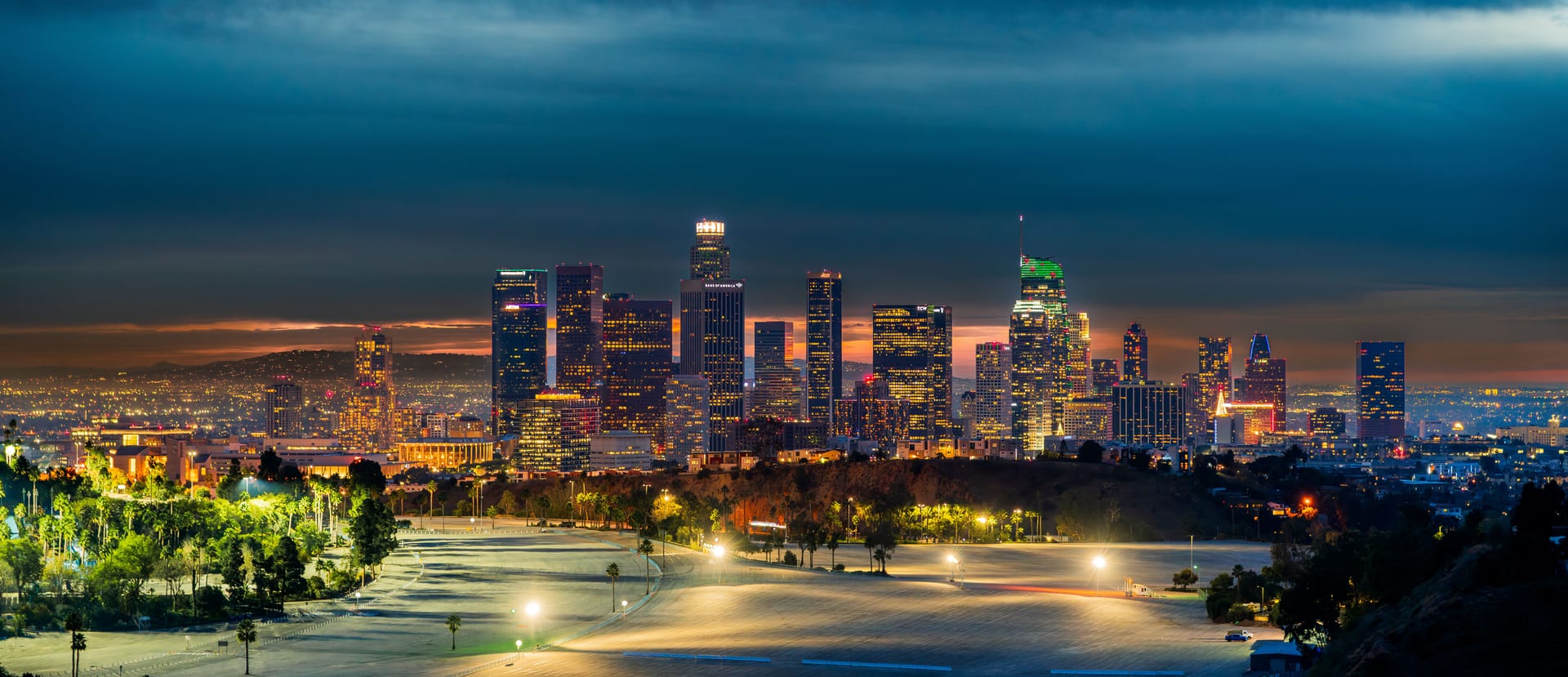
Los Angeles makes sense if
- Access to stronger healthcare matters most to you.
- You want the broader career options in this comparison.
- You want the deeper culture and food scene.
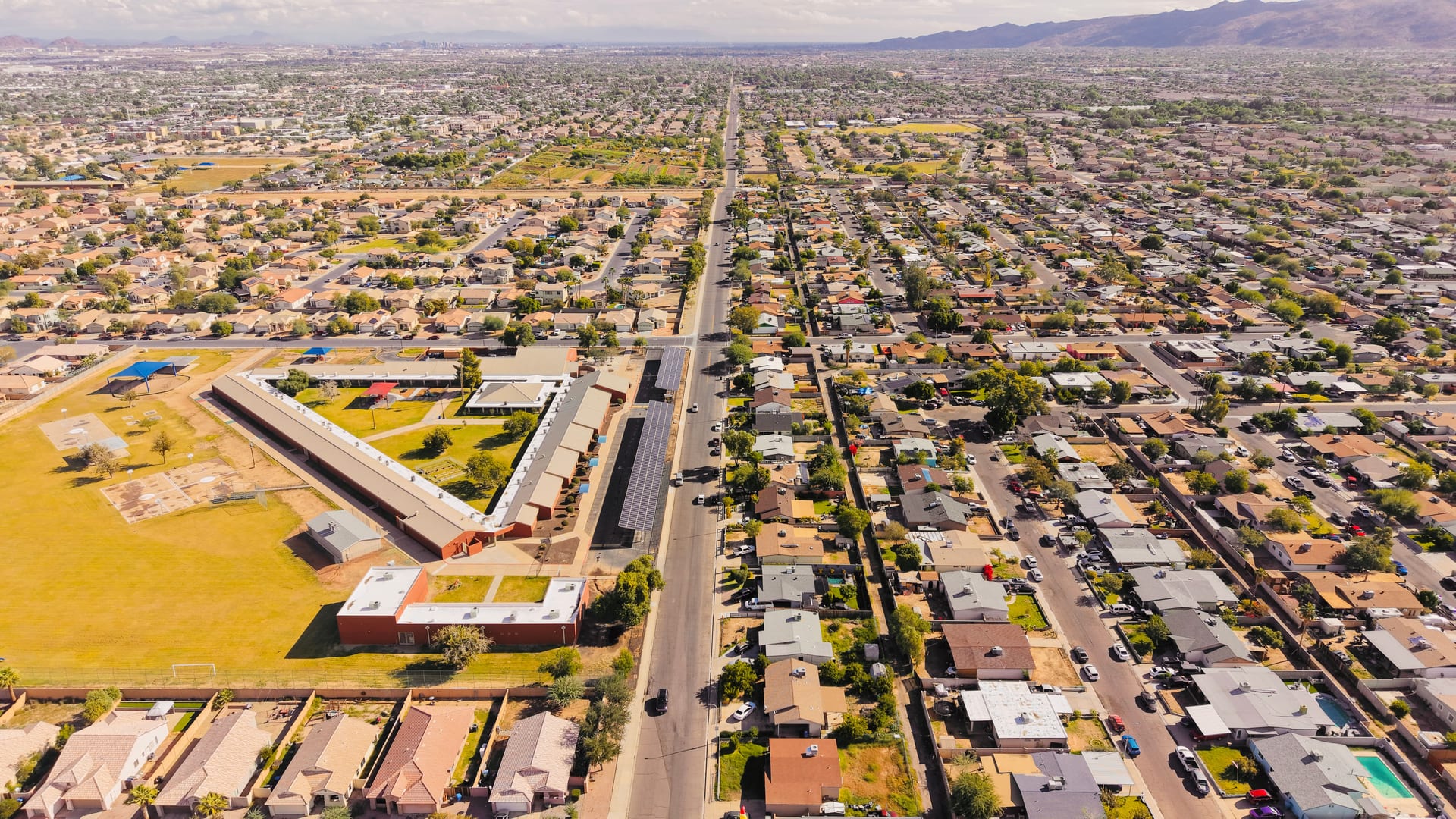
Los Angeles has a large English-language job market and mild winters, though wildfire smoke and uneven safety are real drawbacks. Phoenix offers wide desert space and abundant sun, but summer heat makes cars and air conditioning central to daily life.
The grey shape is all 283 cities; each row says whether lower or higher is better. Ratings out of 10 are our reviewed estimates; the rest is published data. How we measure
Set how much each area counts. The ranking updates as you go. Climate and values are left out because there is no better or worse there, only your taste.
Leads on nature & outdoors, city life, work & family and moving & settling in; stands out for beach & sea and milder summers.
Leads on money; stands out for easier house-hunting and traffic flow.
Scores out of 100, averaged from the areas you weighted. For a ranking built around your own situation, take the quiz.
Rent on a new lease, everyday prices and tax.
The year month by month. Whether it suits you is yours to judge.
Solid line: average daytime high. Dashed: night-time low. Point at the chart for any month; point at a city name to shade its range.
How easily you get to water, mountains and green space.
Getting around on foot, food, culture and the feel of the streets.
Crime, how safe people feel, and the care you would get.
Jobs, working culture, schools and raising kids.
Visas, language, paperwork and staying connected.
Where each city sits. There is no right end of these scales.
Most errands assume a vehicle, walkable pockets are the exception, and traffic is a genuine daily cost. Individual neighbourhoods can feel pleasant and human-scaled, but they don't knit together on foot.
Homes come with generous space and many suburbs are pleasant, but the urban fabric lacks the mixed-use, stroll-everywhere character of a compact city. Getting around without a car is a real struggle.
Los Angeles is uneven rather than uniformly dangerous. Night-time confidence varies sharply by area, so neighbourhood choice and ordinary street awareness matter.
Serious violent crime sits at the lower end, with homicide notably uncommon for a US metro of its size. Everyday measures are more middling: petty crime, perceived safety, and comfort walking at night all read as average rather than reassuring.
Los Angeles has a heavyweight market with broad industry depth, a strong technology and startup scene, and dense professional networks. The medical talent and hospital quality here are top tier, with leading specialists and research centres.
English-language work is easy to access, and Phoenix has a healthy local market with low unemployment. Hospitals and emergency care are solid, and English speakers will have no trouble being understood in any medical setting.
The food and culture run deep and genuinely global, with one of the best dining scenes in the country and exceptional range for vegetarians and vegans. It is a car city with a weak core, though the beaches and a few plazas relieve it.
A respectable spread of restaurants, cafes, and vegetarian options, with a local culture scene that does the job without dazzling. Phoenix is affluent and broadly maintained, but it's defined by extreme car-dependence and desert sprawl, with almost no built public space designed for people on foot.
Los Angeles suits someone who wants career depth and can plan around smoke and safety. Phoenix is the lower-cost option for people who tolerate extreme heat and a car-dependent routine.
These numbers treat everyone the same. The quiz weighs them by your budget, climate taste, family and work, and ranks all 283 cities for you.