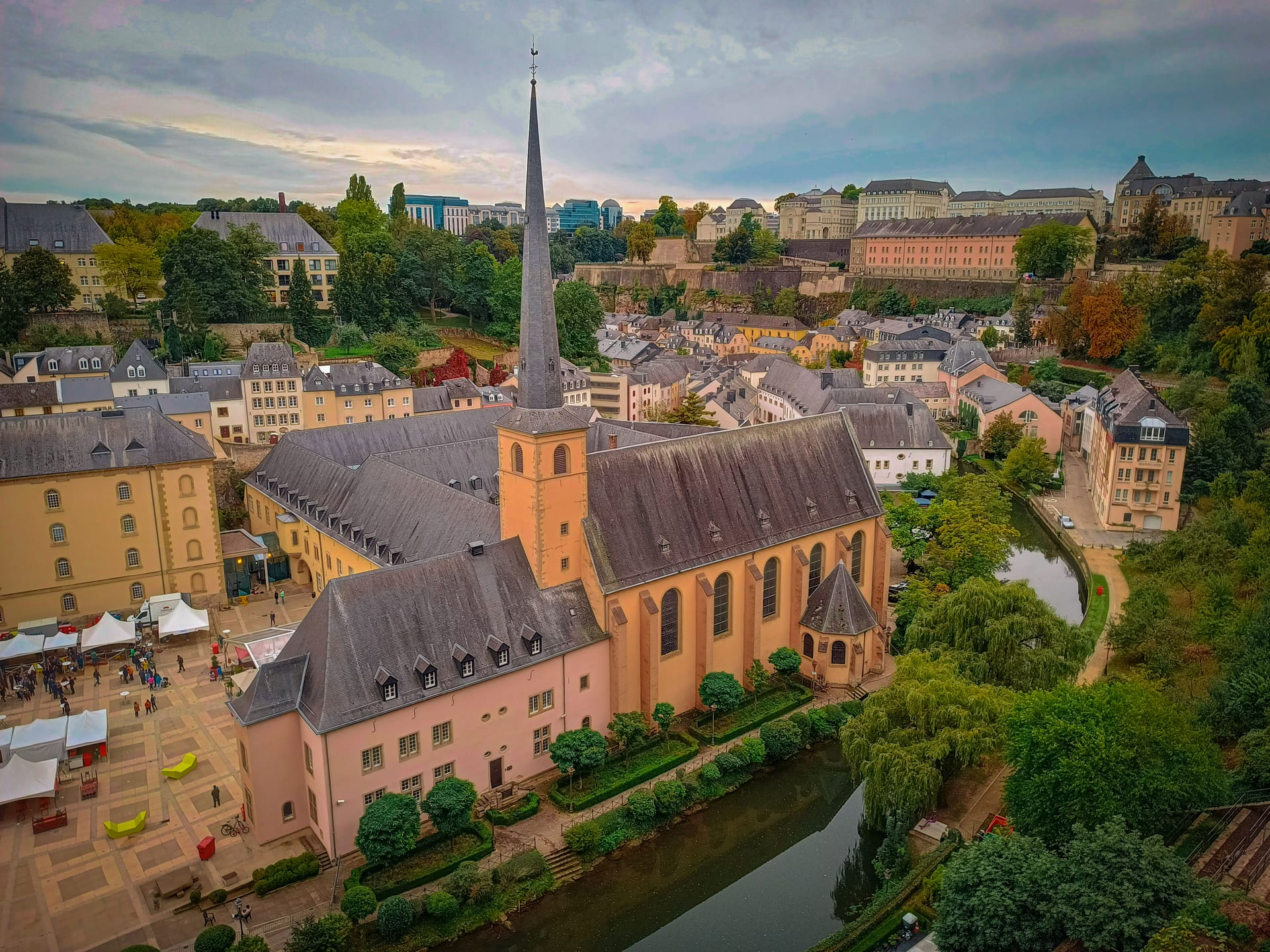
 Luxembourg
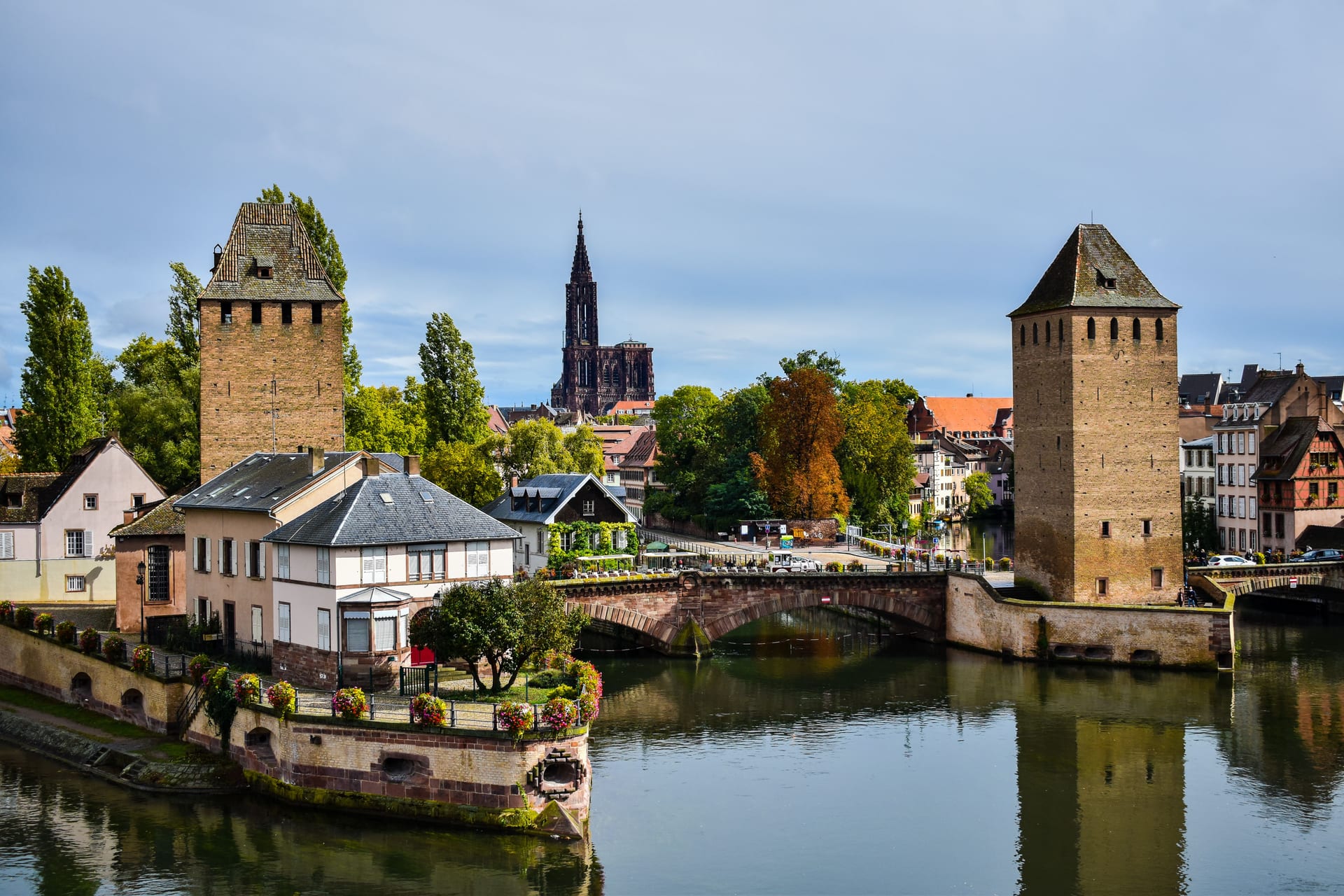
 France
Luxembourg City makes sense if
- A calmer day-to-day safety profile matters most to you.
- Access to stronger healthcare matters most to you.
- You want the broader career options in this comparison.
Luxembourg City is a small capital with an internationally oriented job market and strong local pay, but cool, damp weather and short winter days. Strasbourg is mid-sized, walkable and calm, with a modest local market and a long grey season.
The grey shape is all 283 cities; each row says whether lower or higher is better. Ratings out of 10 are our reviewed estimates; the rest is published data. How we measure
Set how much each area counts. The ranking updates as you go. Climate and values are left out because there is no better or worse there, only your taste.
Leads on safety & health, work & family and moving & settling in; stands out for a smaller language barrier and less bureaucracy.
Leads on money and nature & outdoors; stands out for cycling infrastructure and local culture.
Scores out of 100, averaged from the areas you weighted. For a ranking built around your own situation, take the quiz.
Rent on a new lease, everyday prices and tax.
The year month by month. Whether it suits you is yours to judge.
Solid line: average daytime high. Dashed: night-time low. Point at the chart for any month; point at a city name to shade its range.
How easily you get to water, mountains and green space.
Getting around on foot, food, culture and the feel of the streets.
Crime, how safe people feel, and the care you would get.
Jobs, working culture, schools and raising kids.
Visas, language, paperwork and staying connected.
Where each city sits. There is no right end of these scales.
Density is low, the pace is gentle, and neighbourhoods are well-kept and quiet. Walkable in the centre, though many residents still lean on a car, and the overall hum is calm rather than energetic.
That scale keeps daily life manageable: the dense, mixed-use centre is very walkable and car dependence is low. Homes are not especially spacious, and the overall tempo is calm rather than metropolitan.
Among the safest places a person could land in Europe. Violent crime is rare, the streets feel secure after dark, traffic is well-managed, and the country sits at the stable end of the political spectrum.
A reassuringly safe place to live. Serious violent crime is rare, traffic is well managed, and the city feels secure day and night for most residents.
Luxembourg City offers a strong market around finance, EU-facing work, and professional services, with good access to English-language roles and established professional networks. Care quality is high and hospitals are well-run, with English widely spoken in medical settings, which eases the early months for arrivals.
The career market is limited in depth. Backed by France's strong public system, so quality of care and protection from out-of-pocket costs are both excellent.
Restaurants are decent and the dining skews upmarket, but nightlife is sleepy, and the music, art, and museum scene is modest next to Berlin or even Brussels. Luxembourg City is immaculate and well-funded, its public upkeep reflecting genuine wealth.
The Alsatian table is one of France's most distinctive, a French and German blend you find nowhere else, and the restaurant and café culture is excellent. Strasbourg is clean and orderly, its French-German fabric carefully kept.
Luxembourg City is the practical choice for an international career and cleaner air. Strasbourg suits someone who values walkable neighbourhoods and a quieter daily rhythm, especially with work secured before moving.
These numbers treat everyone the same. The quiz weighs them by your budget, climate taste, family and work, and ranks all 283 cities for you.