 Canada
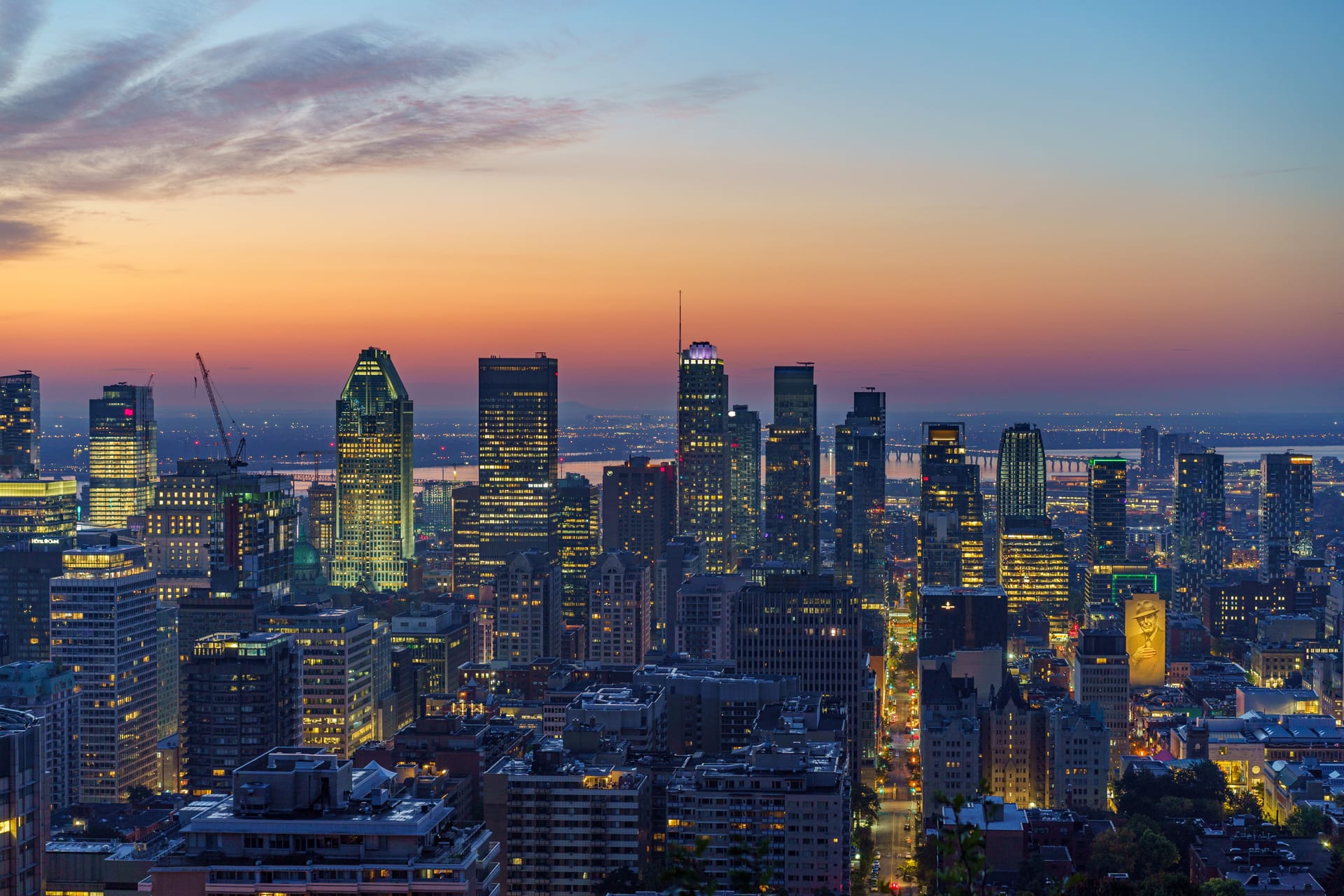
Montréal makes sense if
- You want the easier housing and budget equation in this comparison.
- You want the deeper culture and food scene.
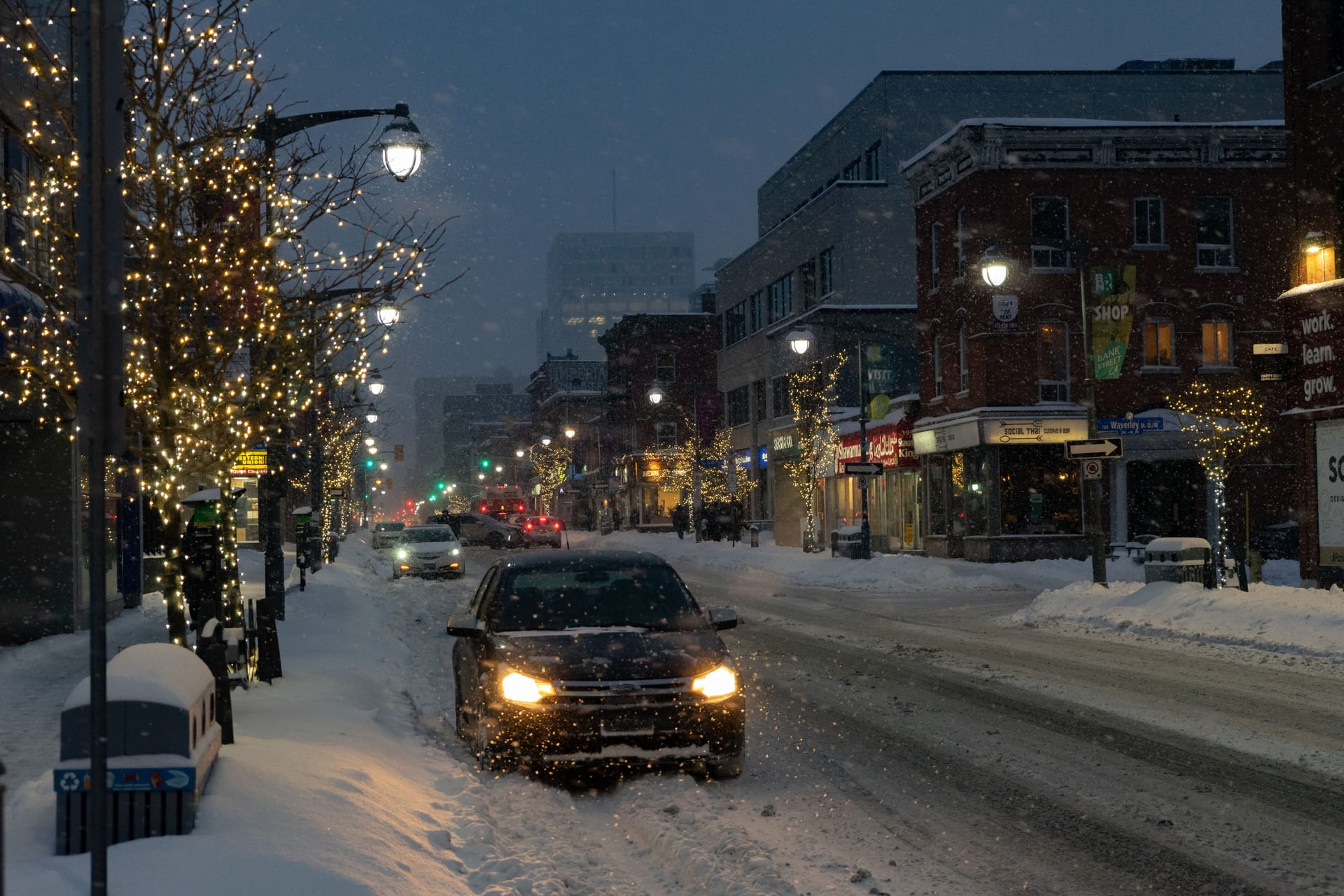
Montréal mixes French-language life, walkable old neighbourhoods, food and festivals with a relaxed pace and long, cold winters. Ottawa is a calm bilingual capital with clean air, safety and easy access to rivers and trails, but nightlife is quiet.
The grey shape is all 283 cities; each row says whether lower or higher is better. Ratings out of 10 are our reviewed estimates; the rest is published data. How we measure
Set how much each area counts. The ranking updates as you go. Climate and values are left out because there is no better or worse there, only your taste.
Leads on nature & outdoors and city life; stands out for local culture and nightlife.
Narrowly best on safety & health: 76 vs Montréal's 75; stands out for a smaller language barrier and jobs in english.
Scores out of 100, averaged from the areas you weighted. For a ranking built around your own situation, take the quiz.
Rent on a new lease, everyday prices and tax.
The year month by month. Whether it suits you is yours to judge.
Solid line: average daytime high. Dashed: night-time low. Point at the chart for any month; point at a city name to shade its range.
How easily you get to water, mountains and green space.
Getting around on foot, food, culture and the feel of the streets.
Crime, how safe people feel, and the care you would get.
Jobs, working culture, schools and raising kids.
Visas, language, paperwork and staying connected.
Where each city sits. There is no right end of these scales.
Montréal feels built for walking, with dense, distinct neighbourhoods stitched together by a metro and bike network that make a car optional rather than essential. The triplex streets and corner cafés give it a low-rise, human-scaled texture closer to Europe than to most of North America.
A low-rise, spread-out capital where most errands assume a car and the pace stays unhurried. Density is modest and walkability is patchy outside the central neighbourhoods, but homes come with more space than Toronto offers and the suburbs are well-kept.
Serious violence is rare and political stability is a given, but Montréal's recorded violent crime, which in Canada includes common assault and threats, is among the higher rates of the Canadian cities we cover. Theft is the lowest of the six, and most people move around day and night without much worry.
Petty crime stays uncommon, traffic is comparatively safe, and Canada's political stability underpins it all. People walk home at night without much thought.
Montreal has a respectable, varied job market with strengths in established industries and technology. The care itself is solid and the cost exposure is low, which is the public-system upside.
Ottawa has a strong English-language job market and a good professional network, with a credible technology base. Care is publicly funded with minimal out-of-pocket cost, and everything operates in English, which removes a major worry for newcomers.
The restaurant scene, the music and arts, the festival calendar, and a distinct local culture all run deep, and the nightlife keeps going late. It is cheap for a major city, and the free festivals and street life run almost year-round.
The museum and gallery scene punches above the city's size, anchored by the national institutions a capital attracts, and the cafe and restaurant offerings are perfectly decent. Ottawa is an orderly, clean capital, with the Rideau Canal, Parliament precinct and tidy civic space giving downtown a real sense of occasion.
Montréal suits someone who wants a dense cultural life and a more animated city routine, and can handle winter. Ottawa is a safer, quieter base for outdoor access and public-sector work, with less nightlife and big-city intensity.
These numbers treat everyone the same. The quiz weighs them by your budget, climate taste, family and work, and ranks all 283 cities for you.