 Thailand
Pattaya makes sense if
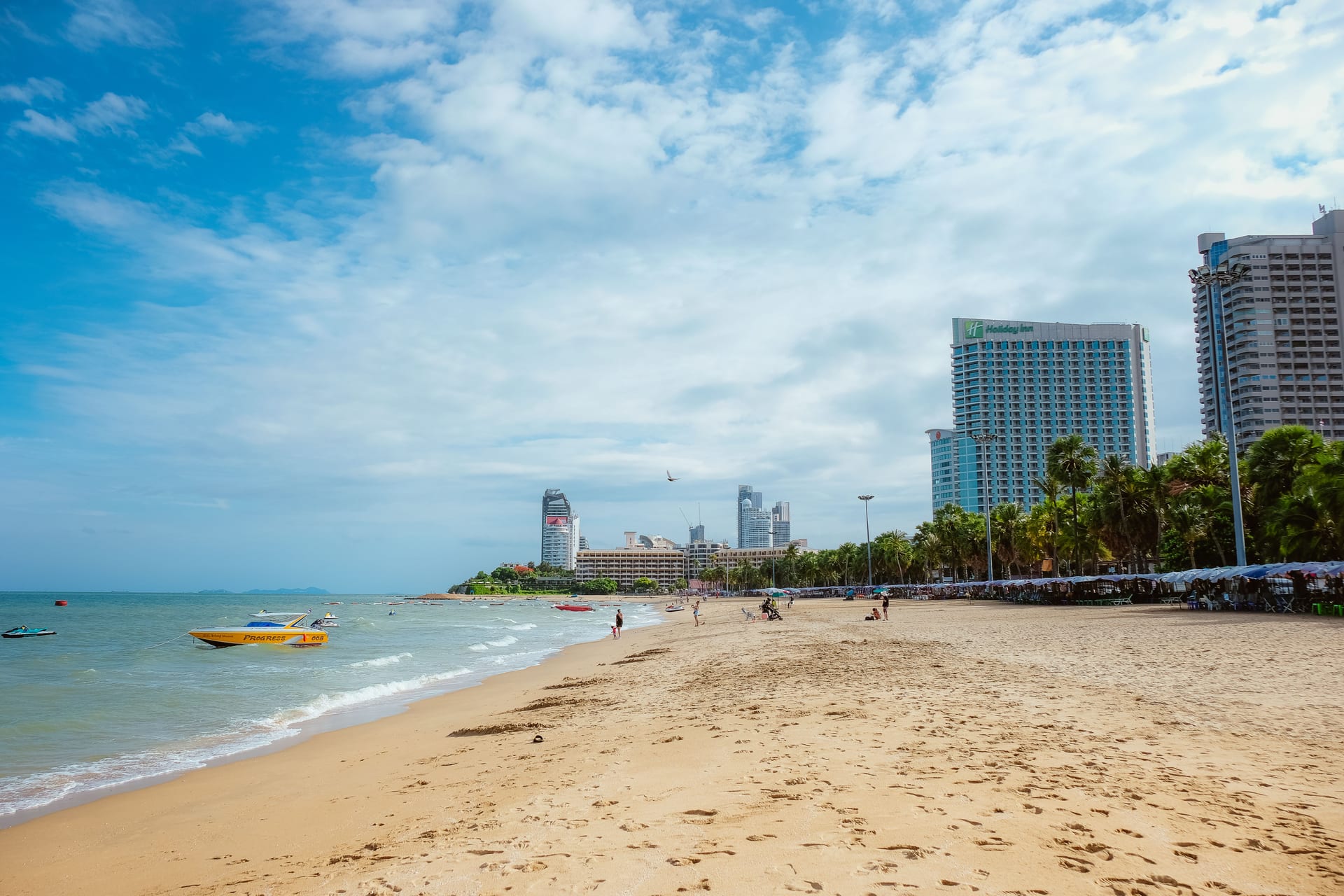
- Pattaya suits someone who values a busier foreigner-oriented nightlife scene; healthcare is tied, and public space is uneven beyond the coast.
Pattaya and Phuket tie on healthcare and affordability in the scorecard, while both carry Thailand's road-safety risk. Phuket leads on safety, careers, and food; Pattaya offers a denser foreigner-oriented nightlife scene.
The grey shape is all 283 cities; each row says whether lower or higher is better. Ratings out of 10 are our reviewed estimates; the rest is published data. How we measure
Set how much each area counts. The ranking updates as you go. Climate and values are left out because there is no better or worse there, only your taste.
Leads on nature & outdoors, city life and work & family; stands out for flight connections and forests.
Tied best on money with Phuket, both 77; stands out for easier house-hunting and calmer weather.
Scores out of 100, averaged from the areas you weighted. For a ranking built around your own situation, take the quiz.
Rent on a new lease, everyday prices and tax.
The year month by month. Whether it suits you is yours to judge.
Solid line: average daytime high. Dashed: night-time low. Point at the chart for any month; point at a city name to shade its range.
How easily you get to water, mountains and green space.
Getting around on foot, food, culture and the feel of the streets.
Crime, how safe people feel, and the care you would get.
Jobs, working culture, schools and raising kids.
Visas, language, paperwork and staying connected.
Where each city sits. There is no right end of these scales.
Its built-up areas are dense, yet walkability is weak and daily travel depends heavily on private transport. Housing space is ordinary, so the compact footprint does not automatically mean a roomy home.
Small and spread out, far from a dense city in any usual sense. Settlement scatters across beach towns and the old port, so there is no walkable core and daily life leans hard on a car or scooter.
Serious violent crime is rare and the homicide rate is low, in line with Bangkok. The everyday picture is more mixed: petty theft and scams come with the tourist economy, perceived safety after dark is middling, and the roads are a real hazard given Thailand's traffic record.
Serious violent crime is rare and the place feels broadly calm by day and night. The real hazard is the road: traffic safety is poor, with a high crash and fatality rate that scooter riders feel most.
Local career options are very limited, especially for English-language work, professional networks and startup roles. Private hospitals are solid and used to treating foreigners, with English widely spoken in clinics, which is a relief for newcomers.
Phuket's local market is narrow, with few English-language openings and limited room to build a deep professional network. Care is middling but workable, with private hospitals used to treating foreigners and decent English in clinics.
The pull is the foreign-facing social life: a deep international crowd, lively nightlife on par with Bangkok, and plenty of restaurants and cafes spanning Thai and global kitchens. Pattaya is a resort town worn thin: the beach promenade gets some care while the back streets sit littered and neglected, and the strip itself is frankly tacky.
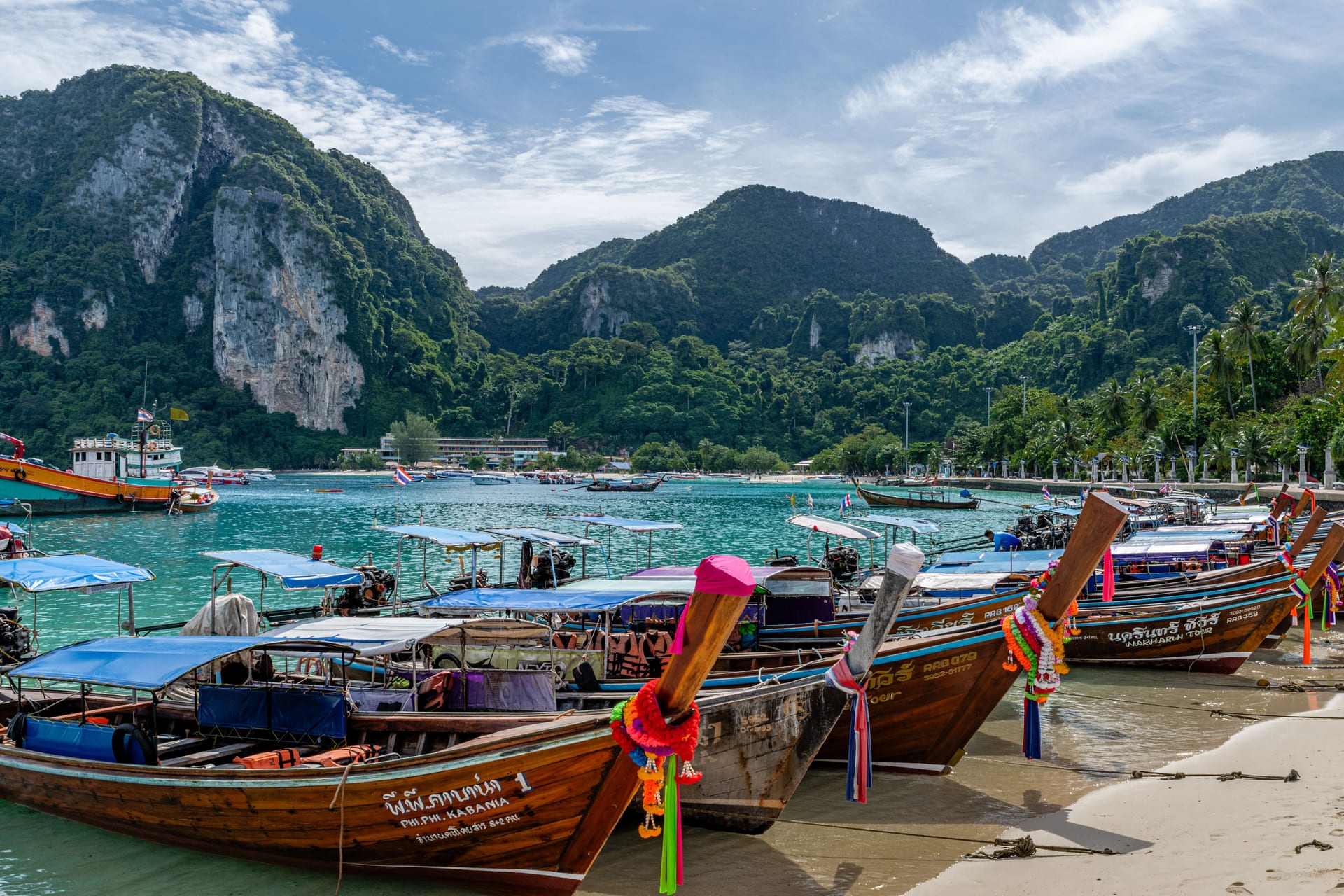
Thai food culture is the strong suit, with plenty of good restaurants, cafes, and a lively after-dark scene that rivals what you find in Bangkok. Phuket's resort zones vary wildly: some kept, others littered, the back streets neglected and the traffic heavy.
Pick Phuket for a stronger digital-nomad setup, Thai food, and beach infrastructure, accepting tourist pricing. Pattaya suits someone who values a busier foreigner-oriented nightlife scene; healthcare is tied, and public space is uneven beyond the coast.
These numbers treat everyone the same. The quiz weighs them by your budget, climate taste, family and work, and ranks all 283 cities for you.