 United States
Portland makes sense if
- You want the easier housing and budget equation in this comparison.
- You value stronger public spaces and everyday city life.
Portland and San Francisco split affordability from opportunity. San Francisco leads healthcare, career and culture and food, while Portland is cheaper, slightly safer and stronger for public life.
The grey shape is all 283 cities; each row says whether lower or higher is better. Ratings out of 10 are our reviewed estimates; the rest is published data. How we measure
Set how much each area counts. The ranking updates as you go. Climate and values are left out because there is no better or worse there, only your taste.
Leads on safety & health, work & family and moving & settling in; stands out for startup & tech scene and brighter winters.
Leads on money; stands out for space for the money and lower rent.
Scores out of 100, averaged from the areas you weighted. For a ranking built around your own situation, take the quiz.
Rent on a new lease, everyday prices and tax.
The year month by month. Whether it suits you is yours to judge.
Solid line: average daytime high. Dashed: night-time low. Point at the chart for any month; point at a city name to shade its range.
How easily you get to water, mountains and green space.
Getting around on foot, food, culture and the feel of the streets.
Crime, how safe people feel, and the care you would get.
Jobs, working culture, schools and raising kids.
Visas, language, paperwork and staying connected.
Where each city sits. There is no right end of these scales.
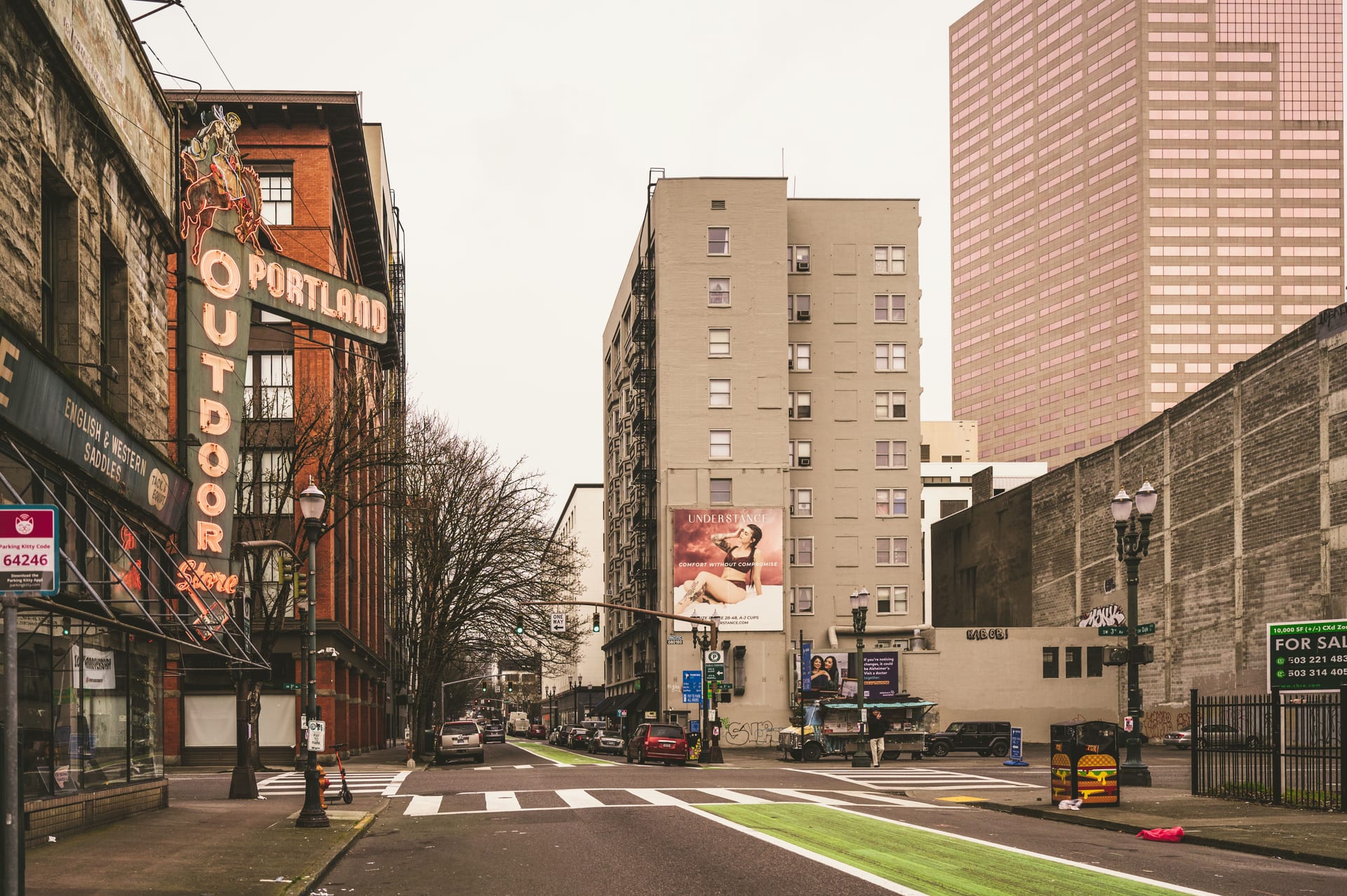
Portland is compact and low-rise, a small city by metro standards with plenty of breathing room. The pace is gentle and the neighbourhoods are pleasant, but getting around still leans on a car for most trips, and walkability is only fair.
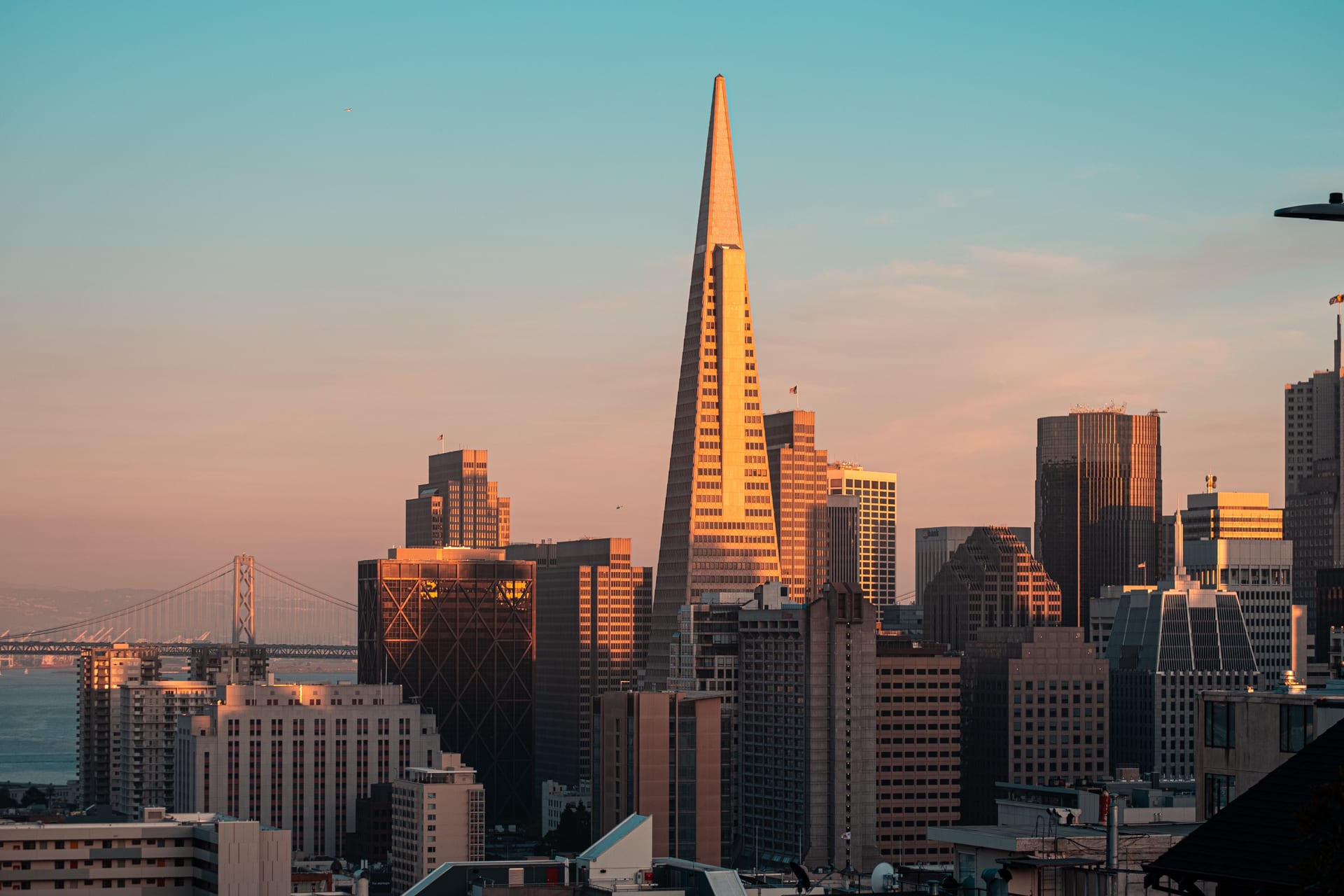
San Francisco is physically small and dense in pockets, a real walkable city in its central neighbourhoods. Step beyond those, though, and life leans on the car, and homes are cramped by American standards.
Serious violent crime stays comparatively rare, but property and petty crime sit higher than residents would like, and the general sense of safety has slipped in recent years, particularly downtown and after dark. It feels less reassuring on the street than Seattle or Denver, even if the gravest risks remain low.
Violent crime is low by US standards, with homicide rates that compare well to peers like Los Angeles. The everyday picture is rougher: property crime, car break-ins, and visible street disorder are persistent, and many residents feel uneasy walking certain areas after dark.
A respectable job market with low unemployment and an easy footing for English speakers, plus genuine openness to remote work. Medical care itself is strong, with capable hospitals, reliable emergency services, and everything delivered in English.
San Francisco remains an exceptional market for technology and startups, with deep networks, abundant English-language roles, and strong remote-work options. The medical care here is genuinely world-class, with top hospitals and English spoken throughout the system.
The independent music and arts scene runs strong too. Still, it stays genuinely walkable, with a riverfront and decent public squares to gather in.
The food scene is a real strength, deep on restaurants, cafes, and some of the best vegetarian and vegan cooking in the country. The parks and free events are superb, but everything else is punishingly expensive.
Choose San Francisco for technology, specialist hospitals and international dining. Portland suits a lower-cost, walkable routine with strong parks and food culture for people bringing income.
These numbers treat everyone the same. The quiz weighs them by your budget, climate taste, family and work, and ranks all 283 cities for you.