 Italy
Rome makes sense if
- You want the broader career options in this comparison.
- You want the deeper culture and food scene.
Rome and Verona split the Italian trade-off: Verona is safer, cheaper and tidier, while Rome leads narrowly on careers and decisively on museums and food; healthcare is close.
The grey shape is all 283 cities; each row says whether lower or higher is better. Ratings out of 10 are our reviewed estimates; the rest is published data. How we measure
Set how much each area counts. The ranking updates as you go. Climate and values are left out because there is no better or worse there, only your taste.
Leads on money, nature & outdoors and safety & health; stands out for clean, cared-for streets and lakes & rivers.
Narrowly best on city life: 72 vs Verona's 69; stands out for winter comfort and beach & sea.
Scores out of 100, averaged from the areas you weighted. For a ranking built around your own situation, take the quiz.
Rent on a new lease, everyday prices and tax.
The year month by month. Whether it suits you is yours to judge.
Solid line: average daytime high. Dashed: night-time low. Point at the chart for any month; point at a city name to shade its range.
How easily you get to water, mountains and green space.
Getting around on foot, food, culture and the feel of the streets.
Crime, how safe people feel, and the care you would get.
Jobs, working culture, schools and raising kids.
Visas, language, paperwork and staying connected.
Where each city sits. There is no right end of these scales.
The historic core is walkable and densely mixed, with shops, homes, and cafes layered together and strong neighbourhood character street to street. The wider city sprawls low and loose rather than packing in like Madrid, and flats tend to run small.
The centre is walkable and mixed-use, with short everyday distances and limited need for a car. Space is not especially generous, and the slower pace means less metropolitan intensity.
Serious violent crime is very low, and the roads are safer than the Italian driving stereotype would suggest. Where Rome stings is petty theft: pickpocketing around tourist sites and transit hubs is a daily reality and worse than in Lisbon.
Among the safer places covered here. Serious and violent crime are very low, and the city feels calm to walk at night.
Rome's local market is narrow, with unemployment elevated and limited depth across professional, English-language, and startup roles. The public system delivers solid mid-tier care with reasonable hospital access and low out-of-pocket exposure.
Verona has a local market, but its range is modest. Solid public healthcare in line with the rest of Italy, with dependable hospitals and emergency care.
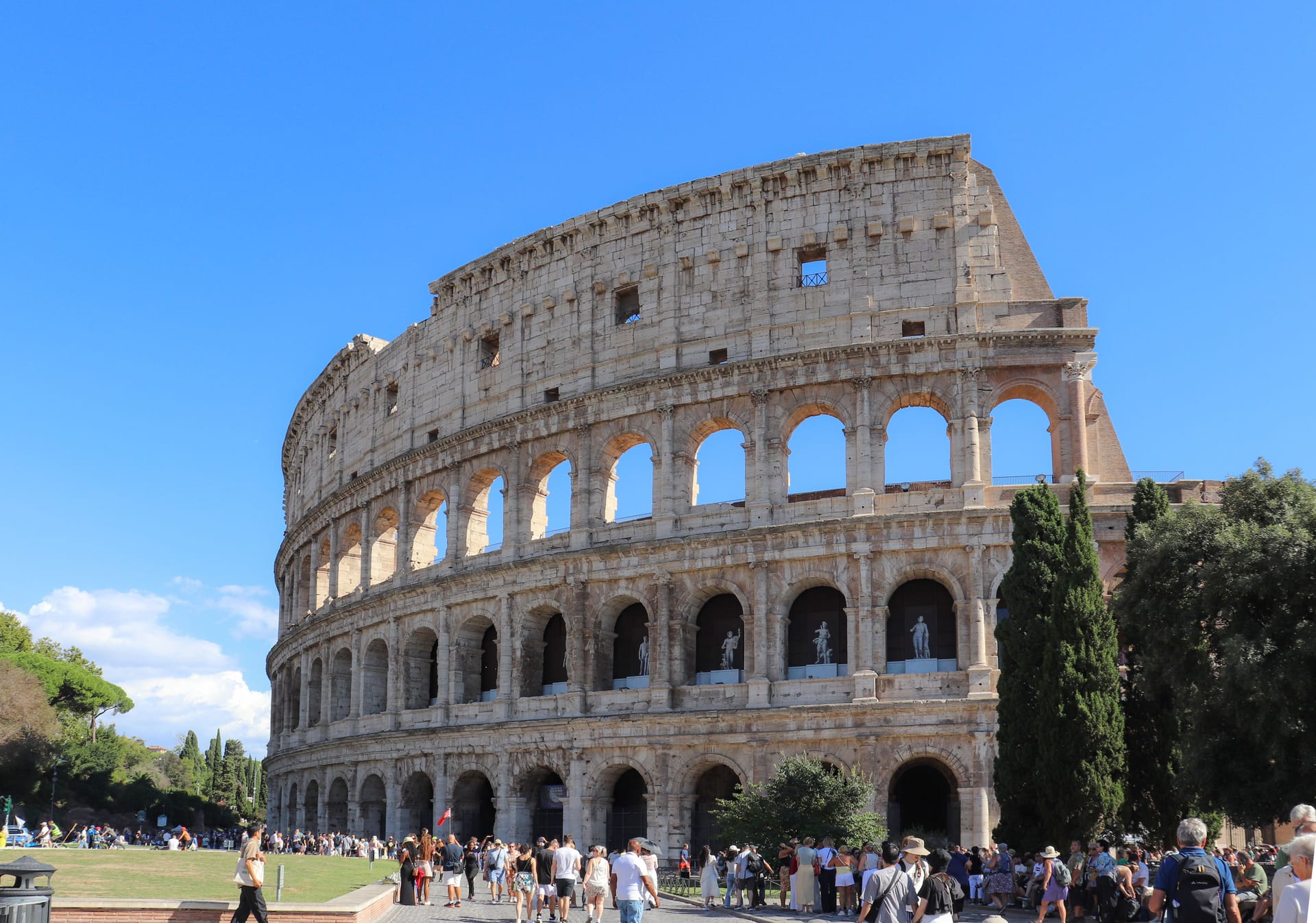
Few cities match Rome for museums, monuments, and the sheer density of things to see, and the local food culture is among the deepest anywhere. The piazzas, fountains and ancient open spaces are great if worn.
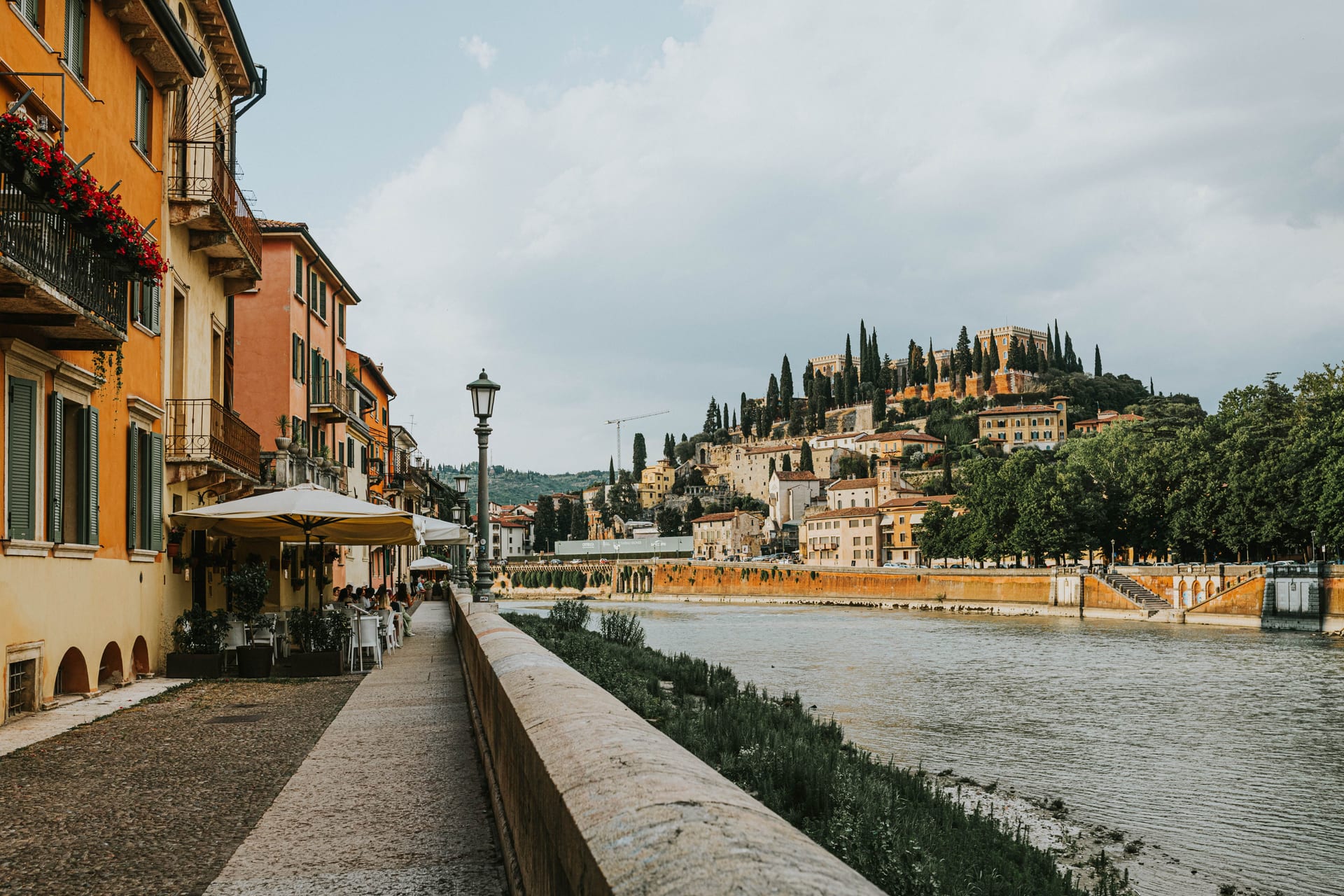
Strong on the everyday Italian pleasures: excellent cafe culture, genuine local food traditions, and a well-known opera and arts calendar tied to the Roman arena. The streets are clean and the architecture rewards an aimless stroll.
Rome fits a culture-led move with broader professional networks and incomparable historic food and museums. Verona is the calmer, more affordable choice with clean squares and low crime, though its career market is smaller.
These numbers treat everyone the same. The quiz weighs them by your budget, climate taste, family and work, and ranks all 283 cities for you.