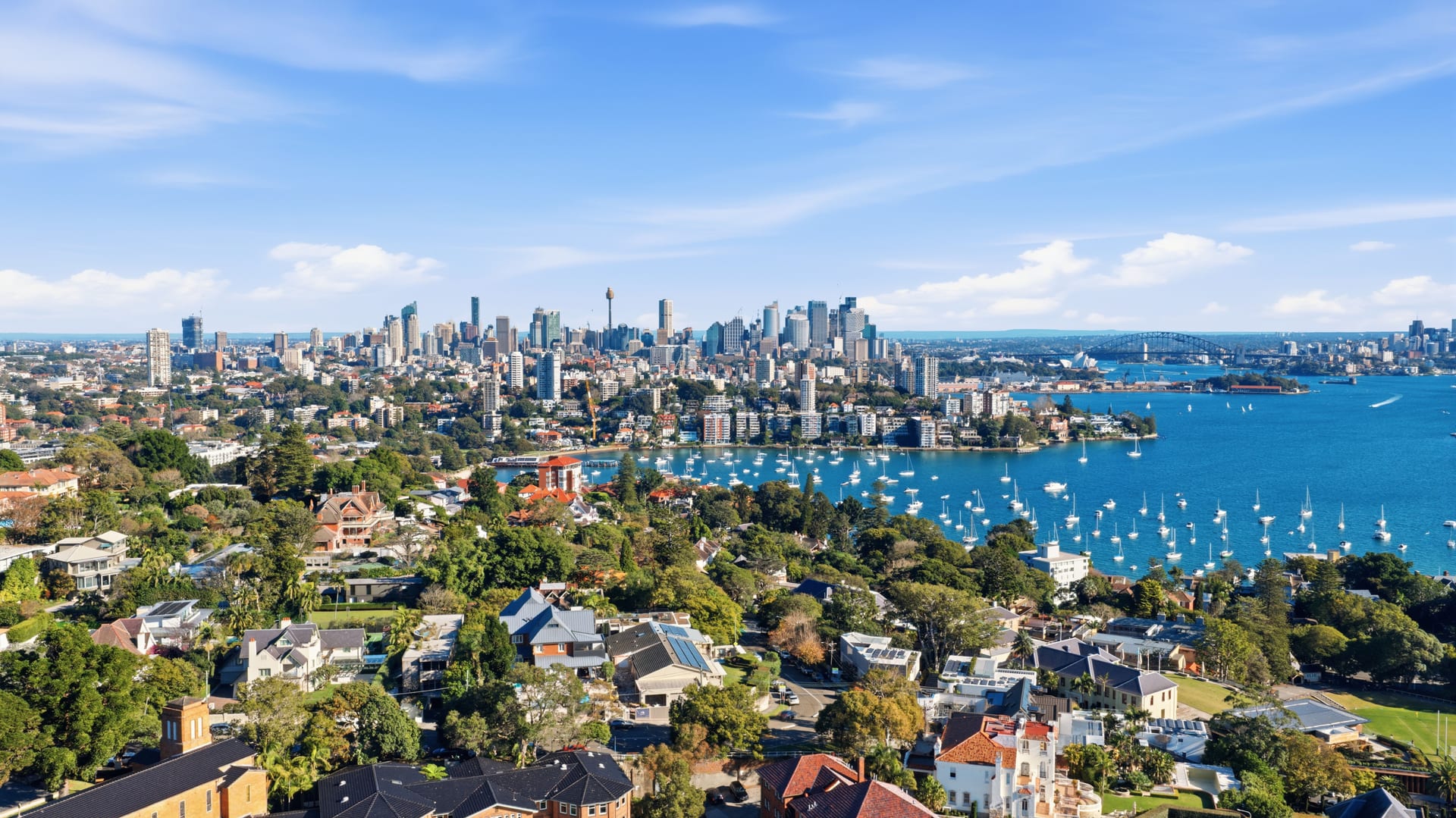
 Australia
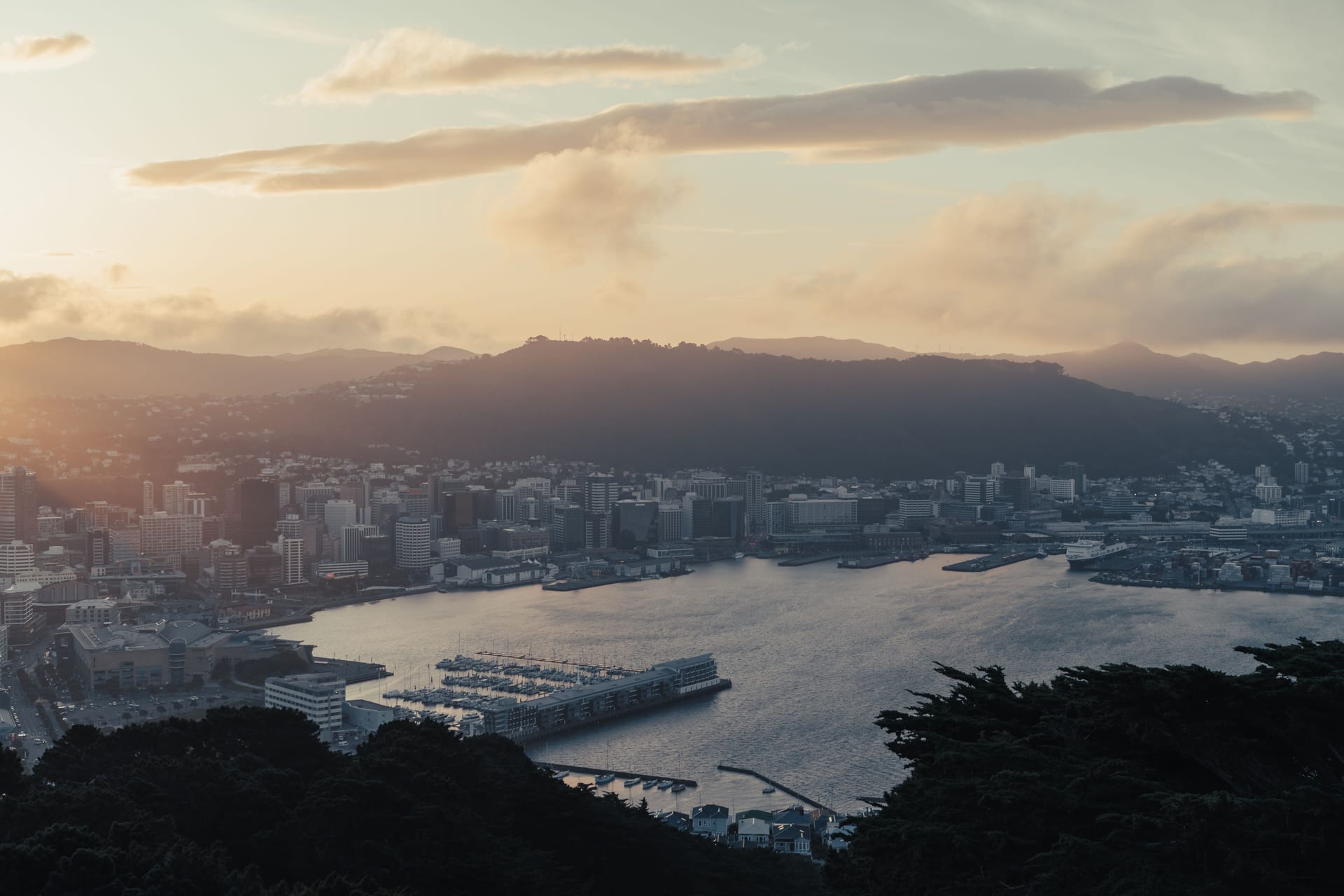
 New Zealand
Sydney makes sense if
- Access to stronger healthcare matters most to you.
- You want the broader career options in this comparison.
- You want the deeper culture and food scene.
Sydney brings a deep English-speaking job market and warmer seasons, with humid summers and wildfire risk part of the climate picture. Wellington is compact and walkable, with clean air and mild summers, but a smaller work market and frequent damp, grey days.
The grey shape is all 283 cities; each row says whether lower or higher is better. Ratings out of 10 are our reviewed estimates; the rest is published data. How we measure
Set how much each area counts. The ranking updates as you go. Climate and values are left out because there is no better or worse there, only your taste.
Leads on nature & outdoors and work & family; stands out for flight connections and beach & sea.
Leads on money; stands out for childcare and life without a car.
Scores out of 100, averaged from the areas you weighted. For a ranking built around your own situation, take the quiz.
Rent on a new lease, everyday prices and tax.
The year month by month. Whether it suits you is yours to judge.
Solid line: average daytime high. Dashed: night-time low. Point at the chart for any month; point at a city name to shade its range.
How easily you get to water, mountains and green space.
Getting around on foot, food, culture and the feel of the streets.
Crime, how safe people feel, and the care you would get.
Jobs, working culture, schools and raising kids.
Visas, language, paperwork and staying connected.
Where each city sits. There is no right end of these scales.
A sprawling, low-density metropolis that leans on cars and stretches far from the centre. Walkability is patchy and the urban fabric is more suburban than tightly woven, though many individual neighbourhoods are genuinely pleasant to live in.
Wellington is a small, low-density city with a core that is easy to walk. The wider layout is quieter and less connected, with middling car dependence and mixed-use neighbourhoods that do not cover every daily need.
A reassuringly safe city by any measure. Violent crime is very low, the streets feel secure after dark, and traffic safety is strong.
Violent crime is rare, the streets feel calm day and night, and the country's political stability is rock solid. Petty theft exists as it does anywhere, but the overall sense of personal security is one of Wellington's quiet strengths.
Sydney offers a deep, English-language job market and low unemployment. Solid public and private healthcare with good hospitals and reliable emergency care.
Local jobs are a reasonable option, with strong English-language access and a modest technology base. Care is solid and reliable, with dependable emergency services and no language barrier in any clinic or hospital.
A confident, internationally minded food and culture scene, with a particularly strong cafe culture and a wide, multicultural restaurant spread. The beaches cost nothing.
The cafe and coffee scene is excellent, restaurants and arts venues are strong, and the national museum anchors a lively events calendar. Wellington is clean and compact, its walkable waterfront and cafe-dense centre a pleasure to wander, with the free Te Papa museum anchoring the harbour edge.
Sydney is better suited to someone building a career in a large, connected city. Wellington offers a smaller-scale routine and easier movement through its center, if its weather and limited job depth fit your plans. Weigh work prospects against the pace you want.
These numbers treat everyone the same. The quiz weighs them by your budget, climate taste, family and work, and ranks all 283 cities for you.