Visa paperwork and document sequencing: How to avoid delays
Apostille expiration windows, proof of funds requirements, and consulate appointment bottlenecks

The hardest part of applying for a visa isn't filling out the forms—it is timing your paperwork so nothing expires before your interview. Police background checks, medical certificates, and certified bank statements often expire in 90 days.
Background checks and federal stamps can take weeks to process. If you request them in the wrong order, your earliest paperwork expires while you are still waiting on other documents or an available consulate appointment.
1. Apostilles and the 90-day validity window
When you apply for a visa abroad, foreign immigration authorities cannot simply verify documents from your home country on their own. Whether it is a police criminal background check, a marriage certificate, or a university degree, foreign consulates require an international verification stamp known as an apostille (or consular legalization for countries that do not participate in the international Hague treaty). An apostille is an official certification issued by your home country (such as the US Department of State or UK Foreign Office) confirming that the signature and seal on your document are authentic.
Here is why document sequencing trips up so many relocations: national police background checks (such as FBI background checks in the US or ACRO certificates in the UK) take 2 to 4 weeks. Getting that paper apostilled by your federal government takes an additional 3 to 6 weeks.
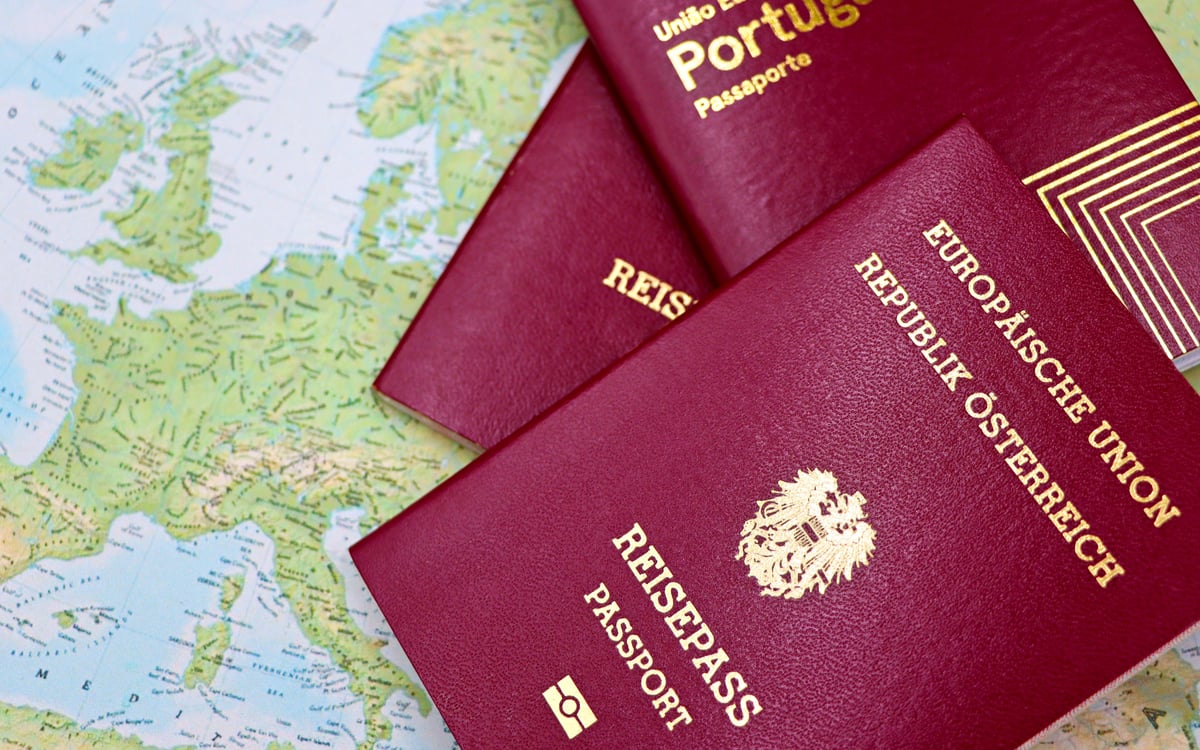
The catch is the strict 90-day expiration window enforced by popular destinations like Spain, Portugal, Italy, and Greece. By the time the physical apostille arrives in your mailbox, half of that 90-day window has already elapsed. If your consulate interview is booked several weeks later, the consular officer can reject the document as expired, forcing you to restart the entire sequence from scratch.
Skip mailing physical fingerprint cards through the postal service. Use electronic livescan channelers who submit directly to national law enforcement databases. Electronic processing returns digital PDF results within 48 hours instead of 6 weeks.
Direct government postal processing queues for apostilles often stretch to 8 weeks. Hand-carrying or using registered consular expeditors with walk-in access cuts wait times down to 10 to 14 business days.
2. Proof of funds and remote income requirements
Remote-work visas have different income and evidence requirements. Spain, for example, sets the main applicant threshold at 200% of its minimum wage, with additional amounts for family members. Check the current consular requirements before budgeting. For every destination, confirm the income period, savings alternative and documents your consulate accepts.
However, consular reviewers reject applications over three concrete accounting errors:
- Lump-sum transfers: Moving a large sum into your account 10 days before an appointment triggers instant suspicion. Consulates require 6 to 12 months of stable monthly inflow history.
- Missing employer remote authorization: If you work as an employee, your contract or employer letter must state explicitly that you are authorized to perform your specific role 100% remotely from foreign soil.
- Contract duration under 12 months: If your consulting contract or employment agreement ends in 3 months, reviewers will deny long-term residency. Agreements must show minimum 1-year future validity.
Contractors and freelancers also need certified company registry certificates proving their clients are active businesses that have operated for at least 12 months.
3. Consulate appointment queues and sworn translations
Outsourced visa processors like BLS, VFS Global, and TLScontact release appointment slots in erratic batches. In peak seasons, major urban consulates (London, New York, San Francisco) have zero open dates for four consecutive months.
Never apply outside your legal consular jurisdiction. If your driver license or utility bills show residence in Chicago, the New York consulate will refuse your file at the front reception desk.
Official sworn translator requirements
Foreign embassies reject standard commercial translations. Consulates require documents to be translated by court-certified or sworn translators formally recognized by the destination government.
A standard notarized translation from your hometown will be rejected outright, forcing you to repay expediting fees and miss your submission window.
4. Why arriving on a tourist visa rarely works
A widespread expat rumor claims you can simply fly into a country on a tourist waiver, rent an apartment, and apply for a residency visa after arrival.
Whether you can apply after arrival depends on your nationality, current status and chosen residence route. Some applications must be made abroad. Confirm the filing location with the immigration authority before booking travel.
Permission to submit an application does not necessarily extend your current stay or grant permission to work. Check what status you will hold while a decision is pending.
5. Next steps: Housing and legal handoff
Once your visa documents are submitted, you enter the waiting window (typically 20 to 60 business days). This is the exact moment to begin researching housing bridges, without committing to long-term 12-month leases before your visa approval sticker is stamped in your passport.
Tell us your destination and what you need help with. We will look for an independent specialist who may be able to help. Availability depends on your destination and request.
Matching is free. Any specialist work may cost extra. We do not provide legal advice.
Disclosure: Some services recommended in this guide contain affiliate links where CrossBorders may earn a commission at no additional cost to you.