
Living in Washington, D.C.
The United States capital runs on government, policy, law, and the institutions that orbit them, which gives it a deep professional pull and a museum scene few cities anywhere can match. Costs sit below New York but well above the national norm, and the humid summers and elevated violent crime are real trade-offs to weigh.
Washington, D.C. at a glance
Vital stats
Where Washington, D.C. stands out
The metrics where Washington, D.C. sits farthest from the middle worldwide, good and bad.
Cheap to arrive, expensive to stay?
A typical one-bedroom in Washington, D.C. runs $1,804/mo. That is ~32% of one typical local employee’s mean net pay. This is a solo-newcomer stress test: sitting tenants, shared homes, subsidised housing and informal rents are deliberately outside the numerator.
The fastest way to test a shortlist is to go. A week on the ground tells you things no ranking can.
Partner link
Approved language-learning and international money resources for practical next steps.
Daily life in Washington, D.C.
How Washington, D.C. scores
Category by category
Affordability
64/100Washington, D.C.'s open-market one-bedroom rent on a new lease is about $1,804 per month. That is roughly 32% of one typical employee's mean net pay, a rent burden labelled manageable solo.
Climate
subtropicalWashington has four clear seasons, with hot, humid summers and cold winters. Bright days are reasonably frequent, while rainy-grey weather is common but not overwhelming. Air quality is clean, and the main discomfort is the muggy stretch from late spring through summer.
Nature access
leafyStrong for an East Coast metro on the everyday stuff: good city parks, excellent running and cycling paths, and the Potomac and Rock Creek threading green through the core. Weekend trips to the Blue Ridge or Shenandoah are easy. Green space per resident is thin, though, and the coast and real mountains both take a drive.
Urban form
mid-sizedA walkable, human-scaled capital with a strong transit spine, leafy rowhouse neighbourhoods, and suburbs that rank among the better ones in the country. Compared with New York it is far smaller and lower-density, which suits people who want a city that stays legible. Apartments run small, and the urban fabric is less dense than the skyline suggests.
Public life & spaces
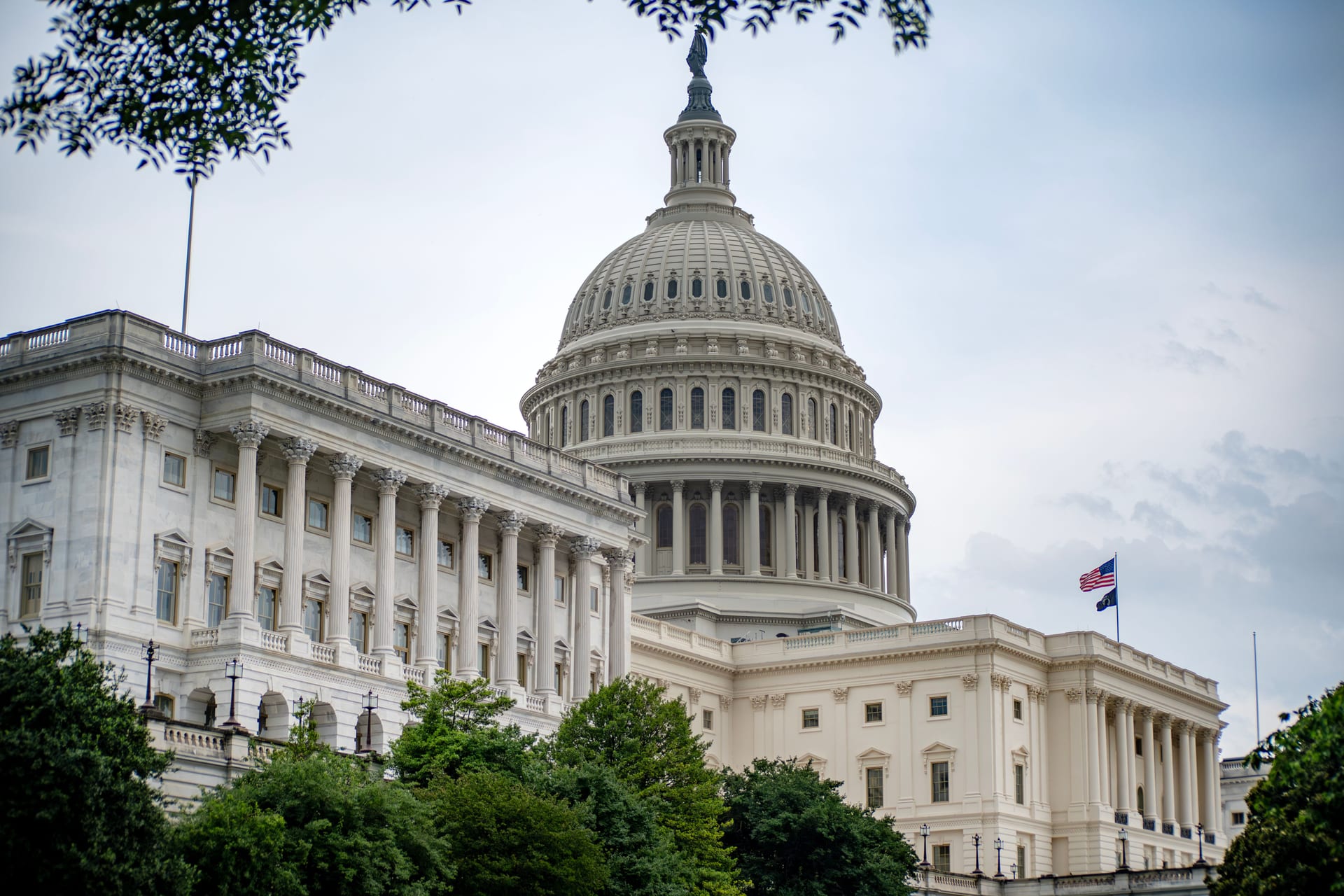
74/100Washington's monumental core is tidy and genuinely walkable, built around the National Mall, broad plazas and a civic landscape designed for crowds, even if upkeep frays in outer neighbourhoods. The real gift is the free Smithsonian museums and monuments — world-class culture at no cost, in a city that's otherwise far from cheap.
Safety
55/100This is the category that demands honesty. The homicide rate is high for an American capital and clearly above peers like New York, and perceptions of street and night-time safety reflect that. Day-to-day risk varies sharply by neighbourhood. Road safety is reasonable, but personal safety is the city's weakest axis.
Healthcare
61/100The clinical side is excellent, with top-tier hospitals, strong specialist access, and care delivered entirely in English. The catch is the American system itself. Insurance is complicated to navigate and out-of-pocket costs can be steep, so the experience hinges heavily on the coverage an employer provides.
Family life
48/100Mixed terrain for families. Parks and playgrounds are plentiful and the outdoors are within reach, but childcare is both scarce and expensive, family-sized housing is hard to afford, and parental leave by national norms is thin. The long-hours work culture adds pressure. Many families end up looking to the Maryland and Virginia suburbs.
Career
83/100Work in Washington sits within an unusually strong English-speaking market, backed by broad industries and some of the densest professional networks in the set. Unemployment is low, and local pay is high. Technology and startup work are viable, but they are not the city's main career advantage.
Culture & food
81/100World-class on museums and institutions, anchored by the free Smithsonian collections that few cities can rival, plus a serious music and arts scene. The dining is strong and varied with good cafes and plenty of vegetarian choice, and the international community is large. Nightlife and a distinct local identity are solid rather than the headline.
Ease of integration
85/100English is the default and Spanish is widely heard, so newcomers face essentially no language barrier and settle in fast. The city is diverse, internationally minded, and used to a steady churn of arrivals from across the country and the world, which makes finding a foothold straightforward even if the transient crowd can make deeper roots take time.
Connectivity
62/100One of the better-connected American cities for getting around without a car. The Metro and bike network are genuinely usable, congestion is lighter than New York, and the airports plus the Northeast Corridor rail link make travel easy. Utilities and digital connectivity are reliable. Bureaucracy is digitised to an average degree.
Social values
progressiveStrongly liberal, secular in public life, and welcoming to LGBTQ residents and foreigners, with high diversity and little appetite for traditionalism. It sits firmly at the progressive end of American cities, in line with New York. Everyday civic trust and a sense of shared orderliness register as only middling.
Relocation ease
49/100The friction is the United States immigration system, not the city. Visas and work authorisation are hard to secure and tax filing is genuinely complex. Against that, there is no language barrier, cultural adjustment for most Western newcomers is gentle, and banking is straightforward. The competitive rental market takes some patience.
The trade-offs
A year in Washington, D.C.
Jul peaks around 32°C, Jan days top out near 7°C, and the year brings roughly 206 bright days.
Can you actually move here?
The hard limits people most often bring to a move, scored against Washington, D.C.'s data.
Moving with a pet
Bringing a pet into the United States is relatively straightforward, with clear and manageable requirements for most cats and dogs, so this rarely becomes a sticking point in a move to the capital.
Who Washington, D.C. works for
Answer the questionnaire and see where Washington, D.C. lands for you.
Take the free questionnaireWhere else to look
Washington, D.C. vs. comparable cities
Objective scores (0–100) for Washington, D.C. and its 4 nearest comparable cities.
The cities people weigh against Washington, D.C.
Unexpected siblings
Far from Washington, D.C. on the map, close across all 14 categories of daily life.