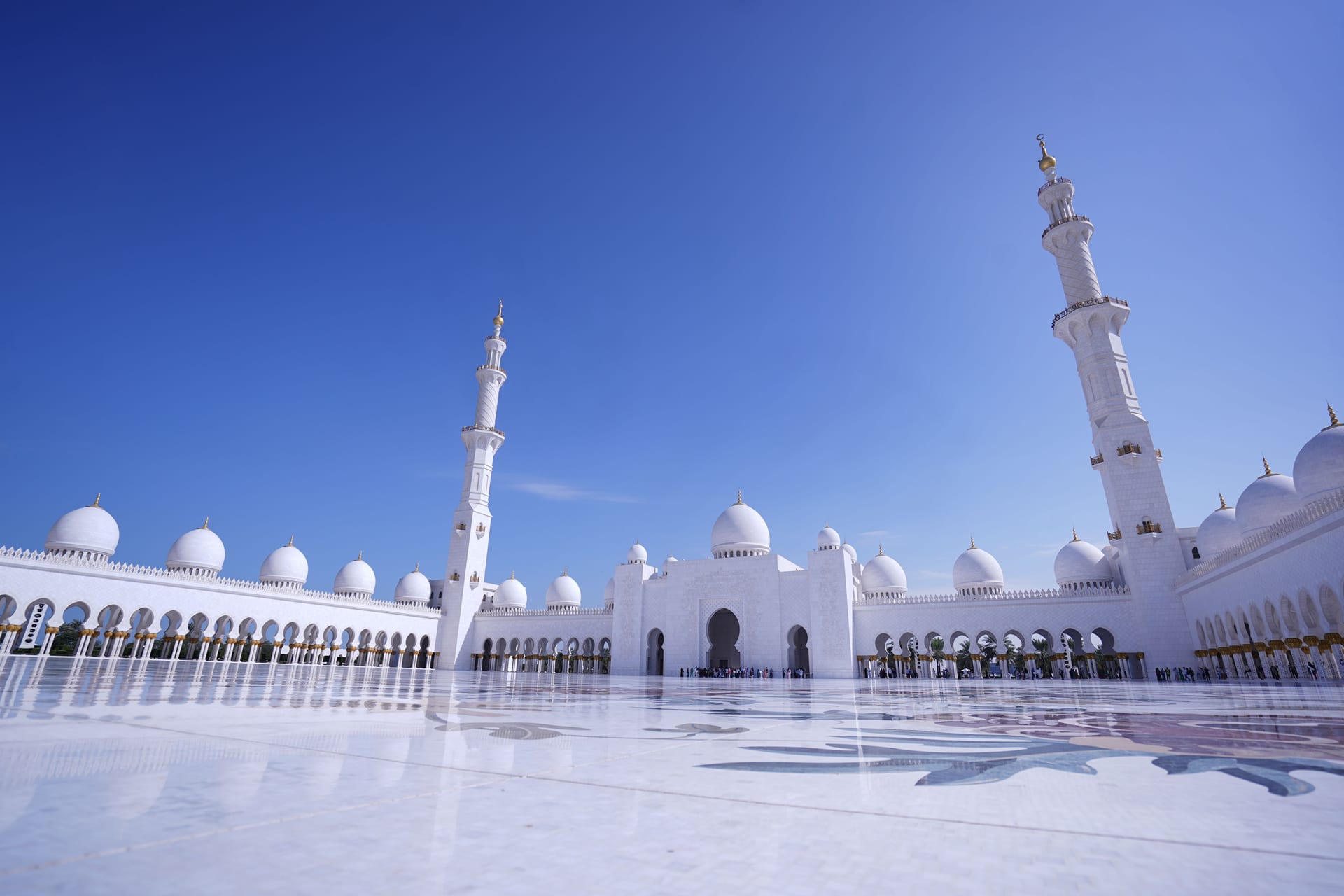
 United Arab Emirates
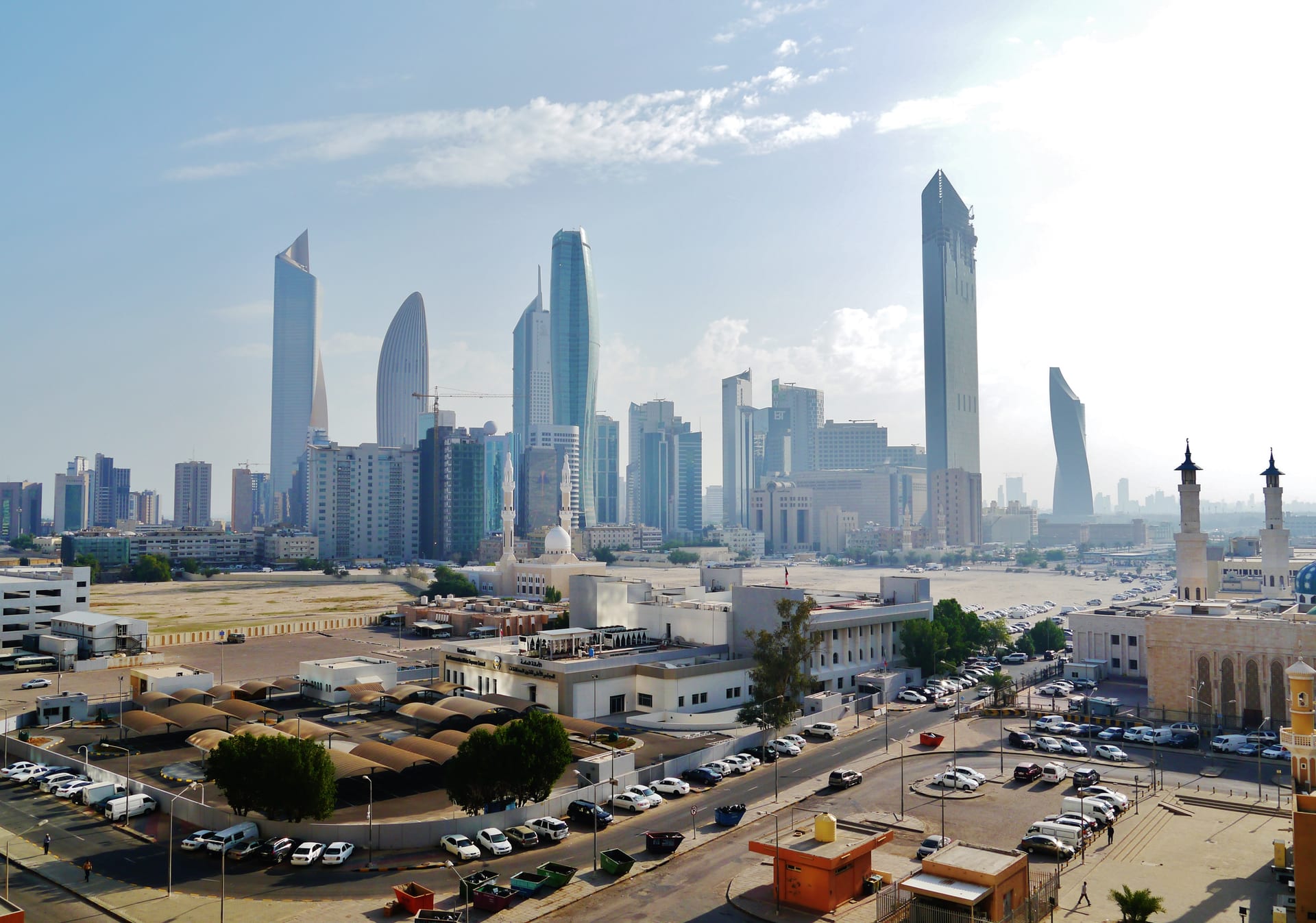
 Kuwait
Abu Dhabi makes sense if
- You want the easier housing and budget equation in this comparison.
- A calmer day-to-day safety profile matters most to you.
- Access to stronger healthcare matters most to you.
Abu Dhabi offers more varied professional options, a higher healthcare result and a stronger public realm around the Corniche and landscaped parks. Kuwait City's employment base is more concentrated in oil, government, finance and construction. Rent is higher in Abu Dhabi, but housing takes much less of typical local pay there.
The grey shape is all 283 cities; each row says whether lower or higher is better. Ratings out of 10 are our reviewed estimates; the rest is published data. How we measure
Set how much each area counts. The ranking updates as you go. Climate and values are left out because there is no better or worse there, only your taste.
Leads on nature & outdoors, city life, safety & health, work & family and moving & settling in; stands out for easier visas and easier work permits.
Closest to the top on money, 2 points behind Abu Dhabi; stands out for fewer muggy days.
Scores out of 100, averaged from the areas you weighted. For a ranking built around your own situation, take the quiz.
Rent on a new lease, everyday prices and tax.
The year month by month. Whether it suits you is yours to judge.
Solid line: average daytime high. Dashed: night-time low. Point at the chart for any month; point at a city name to shade its range.
How easily you get to water, mountains and green space.
Getting around on foot, food, culture and the feel of the streets.
Crime, how safe people feel, and the care you would get.
Jobs, working culture, schools and raising kids.
Visas, language, paperwork and staying connected.
Where each city sits. There is no right end of these scales.
Abu Dhabi is a large, low-density city built around cars. Walking and mixed-use street life are limited, while homes offer generous space and the pace is moderate.
Life is organised around highways, malls, and large private homes rather than walkable streets. Getting anywhere on foot is impractical, neighbourhoods feel low on street life, and a car is essentially mandatory.
Violent and petty crime are both negligible, and walking alone at night is genuinely unremarkable. Roads are well engineered and traffic enforcement is strict.
In ordinary life, Kuwait City feels safe. Traffic is the practical hazard, with road safety weaker than the city's calm streets might suggest.
Abu Dhabi has a strong local market across established industries, with high English-language access, low unemployment, and a solid professional network. Hospitals are modern, well equipped, and staffed by internationally trained doctors, with strong emergency care and English spoken throughout.
Kuwait City's low unemployment and accessible English-language roles make the market comparatively easy to enter. Hospital care is solid and emergency treatment is reliable, with English spoken widely in clinics, which eases life for newcomers.
Dining is solid and international, and the museum scene punches above its weight, anchored by the world-class Louvre Abu Dhabi and the cultural district on Saadiyat Island. Beyond that the city is car-bound and mall-mediated, the built realm thin.
The international community is enormous, with people from across South Asia, the Arab world, and beyond, and English goes a long way in daily life. Kuwait City is wealthy and broadly clean, though dust and ageing infrastructure show through.
A particular Kuwait City job needs to offer a reason to accept the heavier local-pay housing burden. Otherwise, Abu Dhabi's broader career options, Corniche, public beaches and Louvre Abu Dhabi add up to more than the difference in rent suggests.
These numbers treat everyone the same. The quiz weighs them by your budget, climate taste, family and work, and ranks all 283 cities for you.