 Netherlands
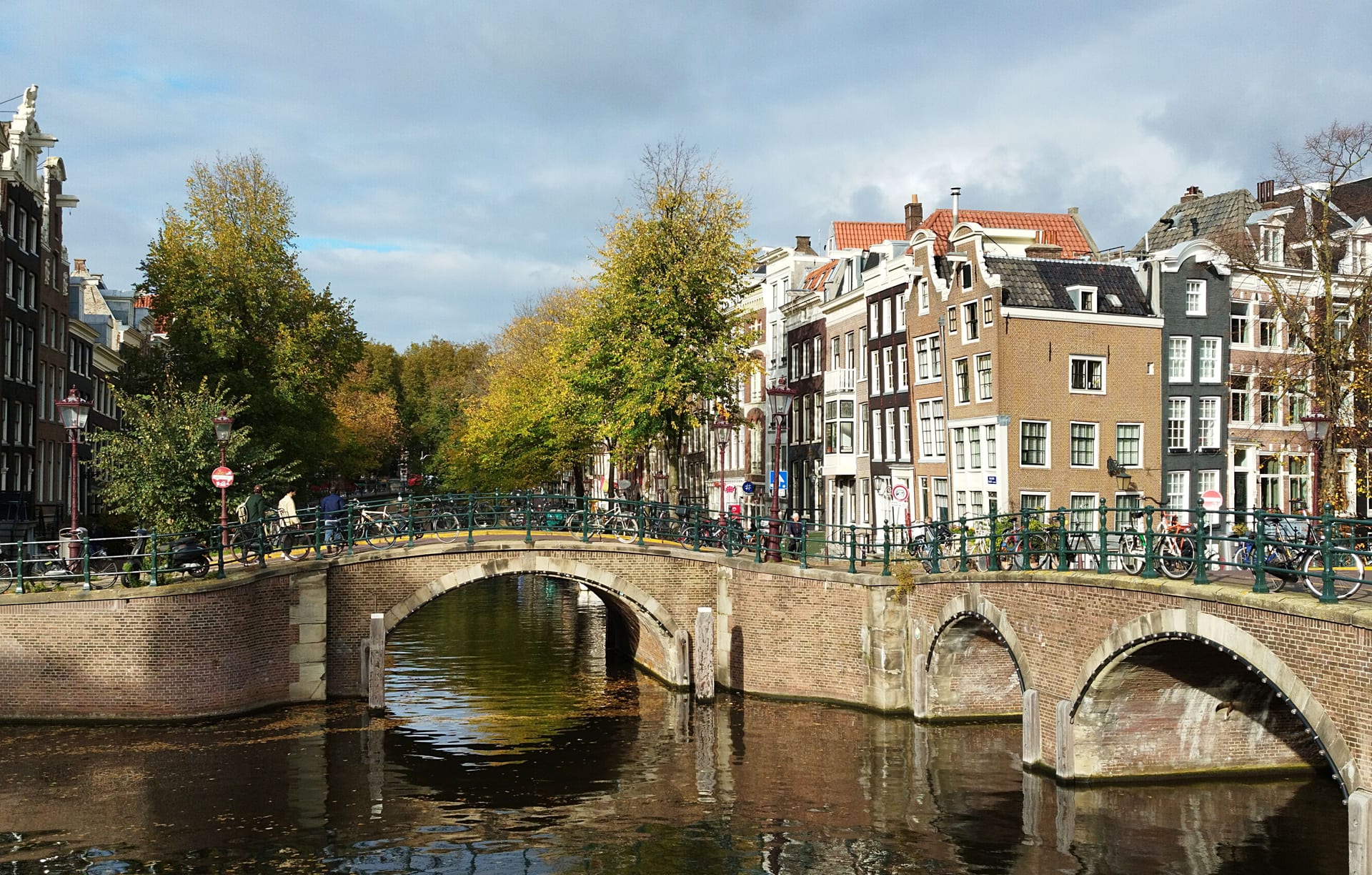
Amsterdam makes sense if
- A calmer day-to-day safety profile matters most to you.
- You want the broader career options in this comparison.
- You want the deeper culture and food scene.
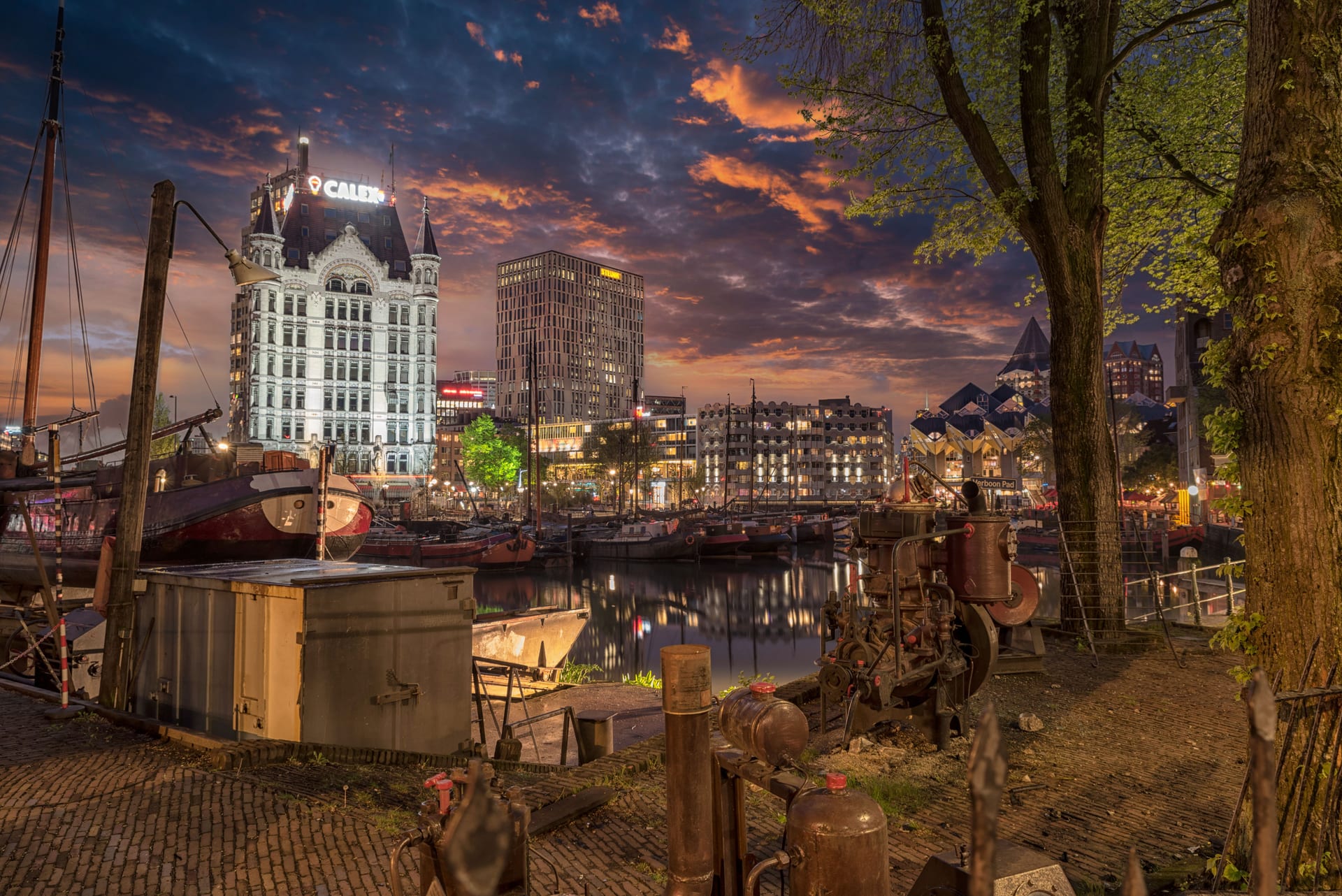
Amsterdam’s canal belt and bike-first centre create a historic, internationally minded city, with housing pressure as a major practical hurdle. Rotterdam is more contemporary and work-oriented, built around port logistics, bold architecture, and a deeply international food scene.
The grey shape is all 283 cities; each row says whether lower or higher is better. Ratings out of 10 are our reviewed estimates; the rest is published data. How we measure
Set how much each area counts. The ranking updates as you go. Climate and values are left out because there is no better or worse there, only your taste.
Leads on nature & outdoors and work & family; stands out for cycling infrastructure and flight connections.
Narrowly best on money: 64 vs Amsterdam's 62; stands out for space for the money.
Scores out of 100, averaged from the areas you weighted. For a ranking built around your own situation, take the quiz.
Rent on a new lease, everyday prices and tax.
The year month by month. Whether it suits you is yours to judge.
Solid line: average daytime high. Dashed: night-time low. Point at the chart for any month; point at a city name to shade its range.
How easily you get to water, mountains and green space.
Getting around on foot, food, culture and the feel of the streets.
Crime, how safe people feel, and the care you would get.
Jobs, working culture, schools and raising kids.
Visas, language, paperwork and staying connected.
Where each city sits. There is no right end of these scales.
Dense, mixed-use and intensely walkable, with strong neighbourhood character and shops, cafes and homes layered together. Daily life rarely needs a vehicle.
Mixed-use neighbourhoods and low car dependence give it practical convenience. Homes offer average space, and the city's tempo is steady rather than frantic.
The everyday nuisance is petty theft, especially in busy areas, while cycling brings its own traffic awareness. Serious danger rarely shapes daily routines.
A safe place to live by any reasonable measure. Serious violent crime is rare and the roads are notably safe for cyclists and pedestrians.
Amsterdam combines a strong, broad job market with plenty of English-language roles and a deep professional network. Care quality is high and hospitals are well within reach, with emergency services that residents can rely on.
Rotterdam has a strong employment base in port and logistics, with good access to English-language and remote-friendly roles. Strong, well-organised care with reliable hospitals and emergency services.
World-class museums, a serious music and art scene, and a dining spread that ranges from canal-side cafes to strong vegetarian and global options. Amsterdam keeps its canals and brick streets generally tidy, fraying only where the crowds thicken.
Punchier and more contemporary than its size suggests, with good restaurants, a strong music and design scene, lively nightlife and a deeply international food spread. Rotterdam is clean and modern, its rebuilt fabric well maintained.
Rotterdam is a better match for people seeking a strong employment base and modern urban character, with a more practical housing picture. Amsterdam suits residents drawn to historic streets, broader international life, and a dense cultural scene who can secure a home.
These numbers treat everyone the same. The quiz weighs them by your budget, climate taste, family and work, and ranks all 283 cities for you.