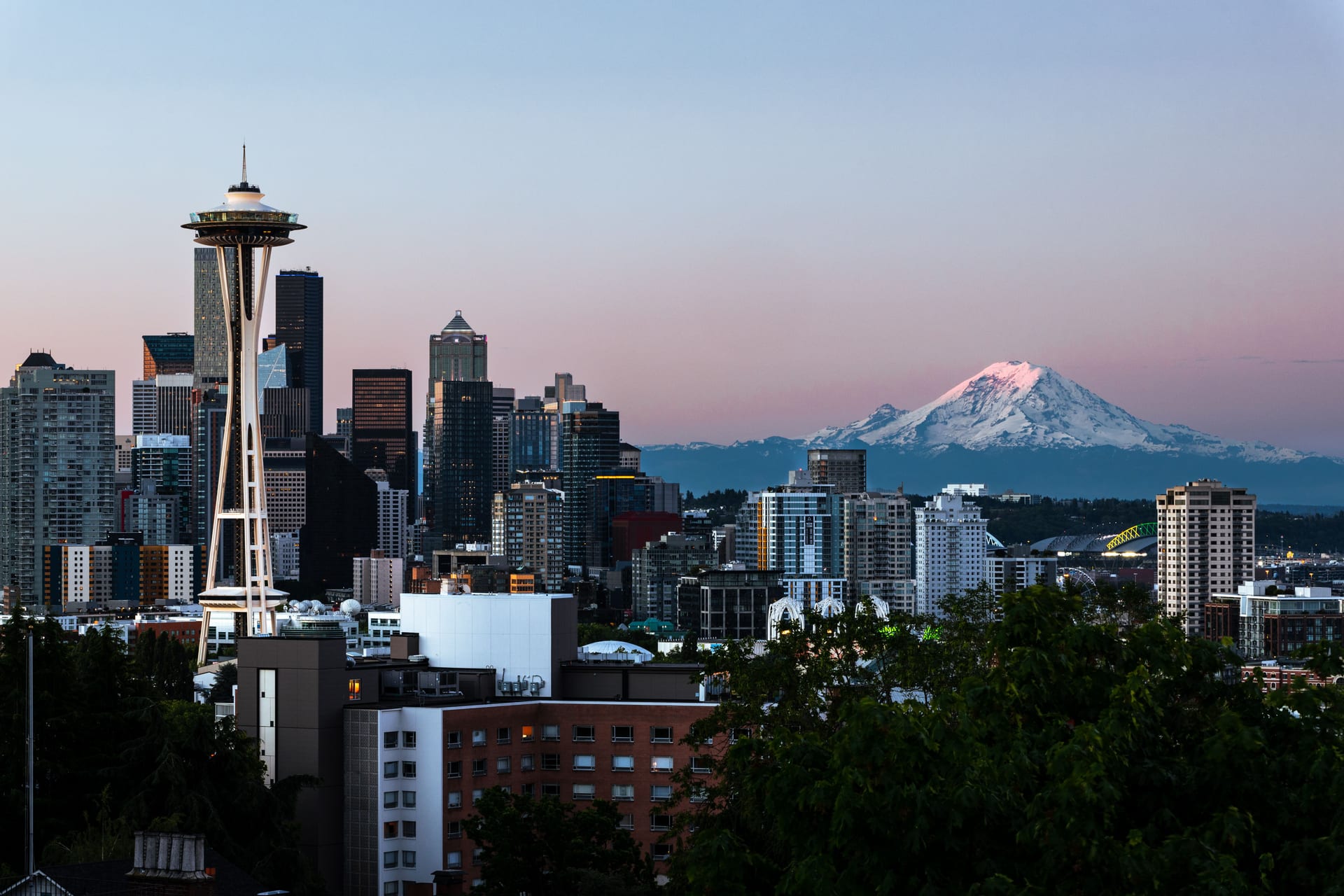
 United States
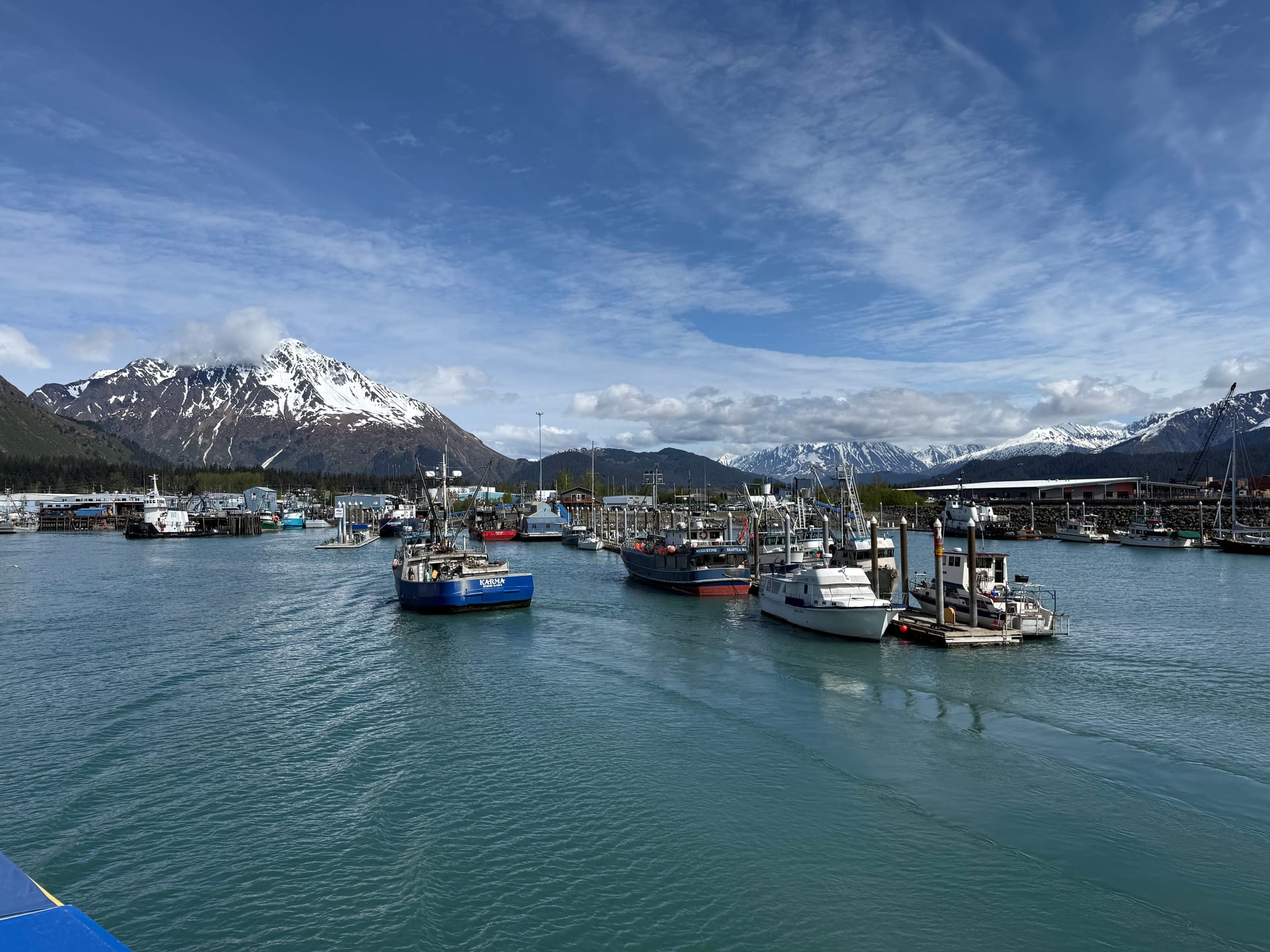
Anchorage makes sense if
- You want the easier housing and budget equation in this comparison.
Seattle's technology and professional networks make it a strong place to build a career, though long rainy-grey stretches shape the darker season. Anchorage offers wilderness right outside town and a lower housing burden, but its smaller market and remote location narrow everyday options. Both reward people comfortable with a cool climate; only one puts a major job network nearby.
The grey shape is all 283 cities; each row says whether lower or higher is better. Ratings out of 10 are our reviewed estimates; the rest is published data. How we measure
Set how much each area counts. The ranking updates as you go. Climate and values are left out because there is no better or worse there, only your taste.
Leads on city life, safety & health, work & family and moving & settling in; stands out for startup & tech scene and music & art scene.
Leads on money and nature & outdoors; stands out for traffic flow and easier house-hunting.
Scores out of 100, averaged from the areas you weighted. For a ranking built around your own situation, take the quiz.
Rent on a new lease, everyday prices and tax.
The year month by month. Whether it suits you is yours to judge.
Solid line: average daytime high. Dashed: night-time low. Point at the chart for any month; point at a city name to shade its range.
How easily you get to water, mountains and green space.
Getting around on foot, food, culture and the feel of the streets.
Crime, how safe people feel, and the care you would get.
Jobs, working culture, schools and raising kids.
Visas, language, paperwork and staying connected.
Where each city sits. There is no right end of these scales.
Anchorage is low and sprawling, built around driving rather than walking. Density is thin, sidewalks peter out, and getting around without a car is a struggle.
Seattle is a mid-sized city that feels smaller than its tech reputation implies. A handful of dense, walkable neighbourhoods anchor it, but much of daily life still leans on a car, and the streets are hilly and spread out.
Safety is a mixed read. The homicide rate runs higher than in comparable West Coast cities, and petty crime and a general sense of unease downtown weigh on how secure the place feels after dark.
Serious violent crime is moderate for an American city and the homicide rate is reassuring. Property crime is the weaker spot, higher than in Denver though lower than in Portland, and some downtown pockets feel rougher after dark.
Career options are limited. Care is solid for routine needs and emergencies, and language is never a barrier.
Seattle has a deep English-speaking job market, led by technology and a strong startup scene. Clinical quality is strong, with good hospitals, reliable emergency care, and care delivered in English as a matter of course.
The cultural scene is modest, fitting a small and remote city. The wild is free; the city itself, remote and expensive, offers little cheap urban life.
The cafe culture is exceptional, fitting for the city that helped export modern coffee worldwide, and the music and dining scenes punch above the city's size. Seattle's core shows visible homelessness and grime these days, but it stays walkable, with a reworked waterfront, public squares and the genuine theatre of Pike Place Market.
Seattle is the practical choice if you need local career depth, healthcare and a larger cultural scene. Anchorage suits someone with portable work who values nature enough to accept a car-dependent routine, winter darkness and distance from other hubs. Compare the specific job opportunity with the kind of weekends you want to have.
These numbers treat everyone the same. The quiz weighs them by your budget, climate taste, family and work, and ranks all 283 cities for you.