Affordability
68/100Anchorage's open-market one-bedroom rent on a new lease is about $1,089 per month. That is roughly 24% of one typical employee's mean net pay, a rent burden labelled manageable solo.
Climate
continentalAnchorage's climate is defined by winter darkness and cold. January averages -4.9°C, while summer stays cool at 14.8°C and muggy weather is virtually nonexistent. Winter light is scarce and grey days are common, but clean air is a genuine upside. Wildfire smoke remains a seasonal risk.
Nature access
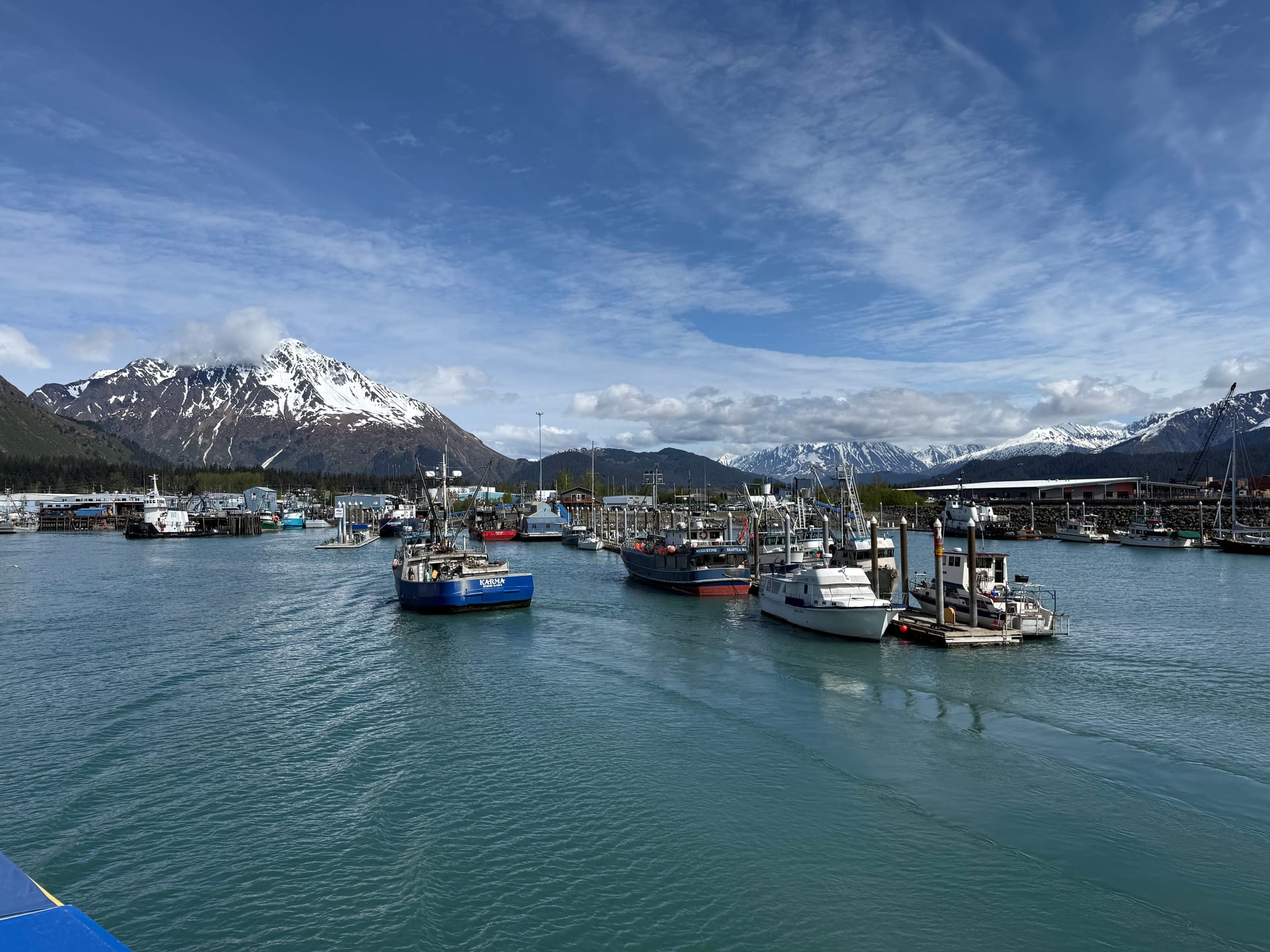
alpineFew places on earth can match what sits at the city's doorstep. Mountains rise straight off the edge of town, with forest, trails, and water everywhere, and big wild country reachable on an ordinary weekend. For anyone who measures a place by how fast they can get into real wilderness, Anchorage is close to the ceiling.
Urban form
mid-sizedAnchorage is low and sprawling, built around driving rather than walking. Density is thin, sidewalks peter out, and getting around without a car is a struggle. What residents gain is space: homes here come with more room than the cramped coastal markets offer. The pace is quiet and unhurried, a long way from any big-city tempo.
Public life & spaces
59/100Anchorage is a small, tidy city that stays reasonably kept, but its public realm is thin — car-dependent streets and few real squares, with the Tony Knowles Coastal Trail and the mountains doing the work that plazas do elsewhere. The wild is free; the city itself, remote and expensive, offers little cheap urban life.
Safety
51/100Safety is a mixed read. The homicide rate runs higher than in comparable West Coast cities, and petty crime and a general sense of unease downtown weigh on how secure the place feels after dark. Roads, at least, are calm and uncongested, which keeps everyday driving low-stress.
Healthcare
49/100Care is solid for routine needs and emergencies, and language is never a barrier. But this is still the American system, with steep out-of-pocket costs and tangled insurance to navigate. Remoteness narrows the options too: for complex or specialist treatment, residents sometimes travel out of state.
Family life
47/100Family life here is built outdoors, with easy access to parks and trails giving kids a childhood close to nature, backed by a relatively sane work-life balance. The weak spots are structural and American: childcare is scarce and pricey, and parental leave is thin compared to most of the developed world.
Career
52/100Career options are limited. The job market is small and concentrated in a handful of sectors like energy, government, and logistics, with little of the tech or startup activity that drives Seattle or Denver. Unemployment stays low and English-language work is a given, but anyone in a specialised field will find the local pool shallow.
Culture & food
54/100The cultural scene is modest, fitting a small and remote city. Restaurants, nightlife, and the arts are thin next to bigger US cities, though the seafood and the strong sense of Alaskan identity give the place real character. Newcomers will not find the variety of a major metro.
Ease of integration
67/100English is the everyday language, so getting started involves no language hurdle, and Alaskans have a reputation for self-reliance and neighbourliness. The city leans a touch more conservative and less international than Seattle or Portland, and its remoteness means a smaller, tighter social world that can take patience to break into.
Connectivity
44/100Infrastructure is built for a car-first, frontier city. Public transport is minimal and there are no rail links out, so a vehicle is essentially required. On the plus side, roads rarely clog, utilities are dependable, internet is decent, and the airport is a serious cargo and connection hub for its size.
Social values
mixedAnchorage sits in moderate territory, more conservative and traditional than the famously progressive cities further down the Pacific coast, yet still broadly tolerant and open by national standards. Gender equality and civic trust hold up well, while openness to outsiders is decent without being a defining trait.
Relocation ease
55/100Sharing a language removes the biggest everyday hurdle, and banking and admin are straightforward once settled. The real friction is the US visa and work-authorization process, which is genuinely tough. Adjusting to Anchorage also asks more than moving within the Lower 48, given the remoteness and the rhythm of the dark season.