 Turkey
Ankara makes sense if
- You want the easier housing and budget equation in this comparison.
- Access to stronger healthcare matters most to you.
- You want the broader career options in this comparison.
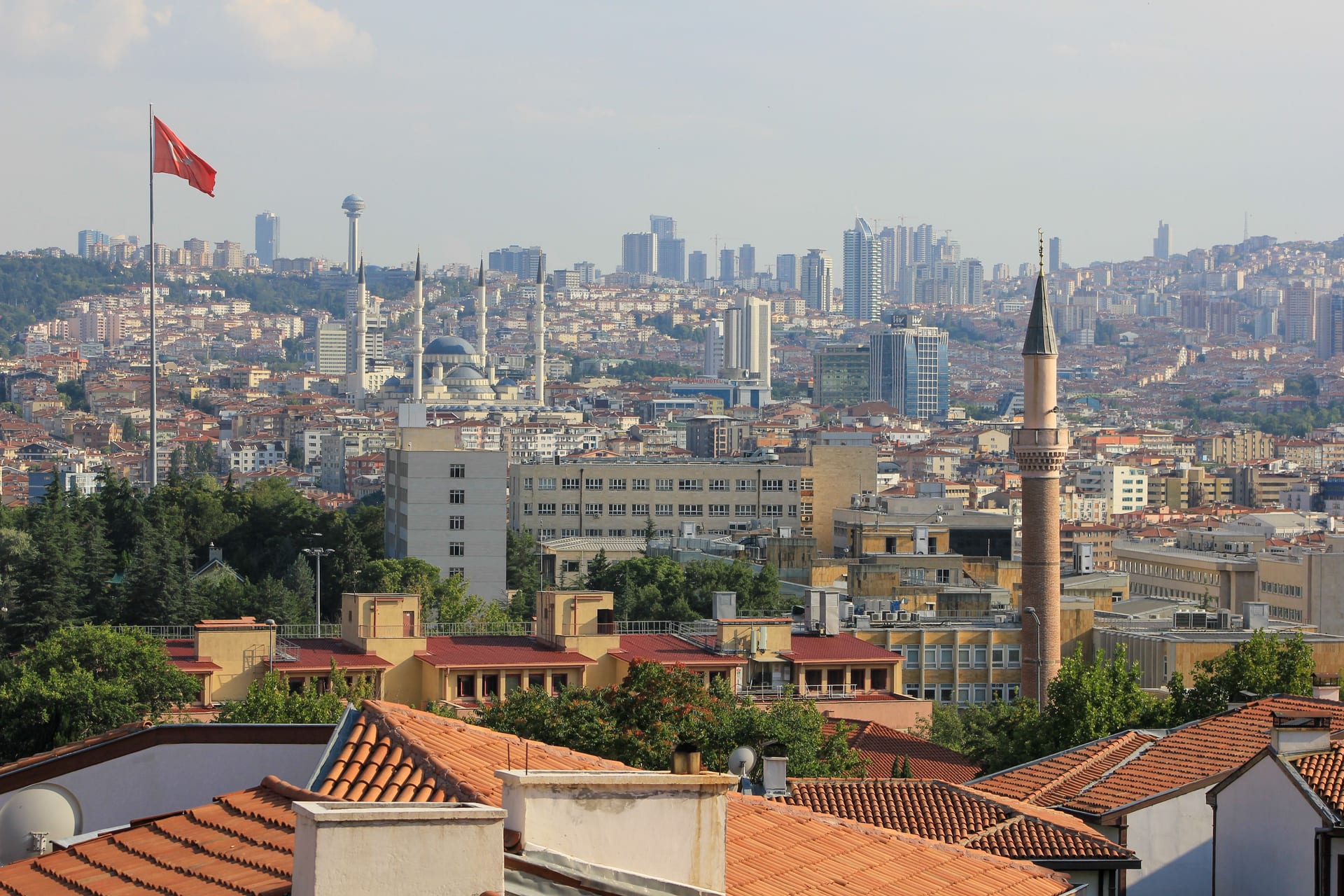
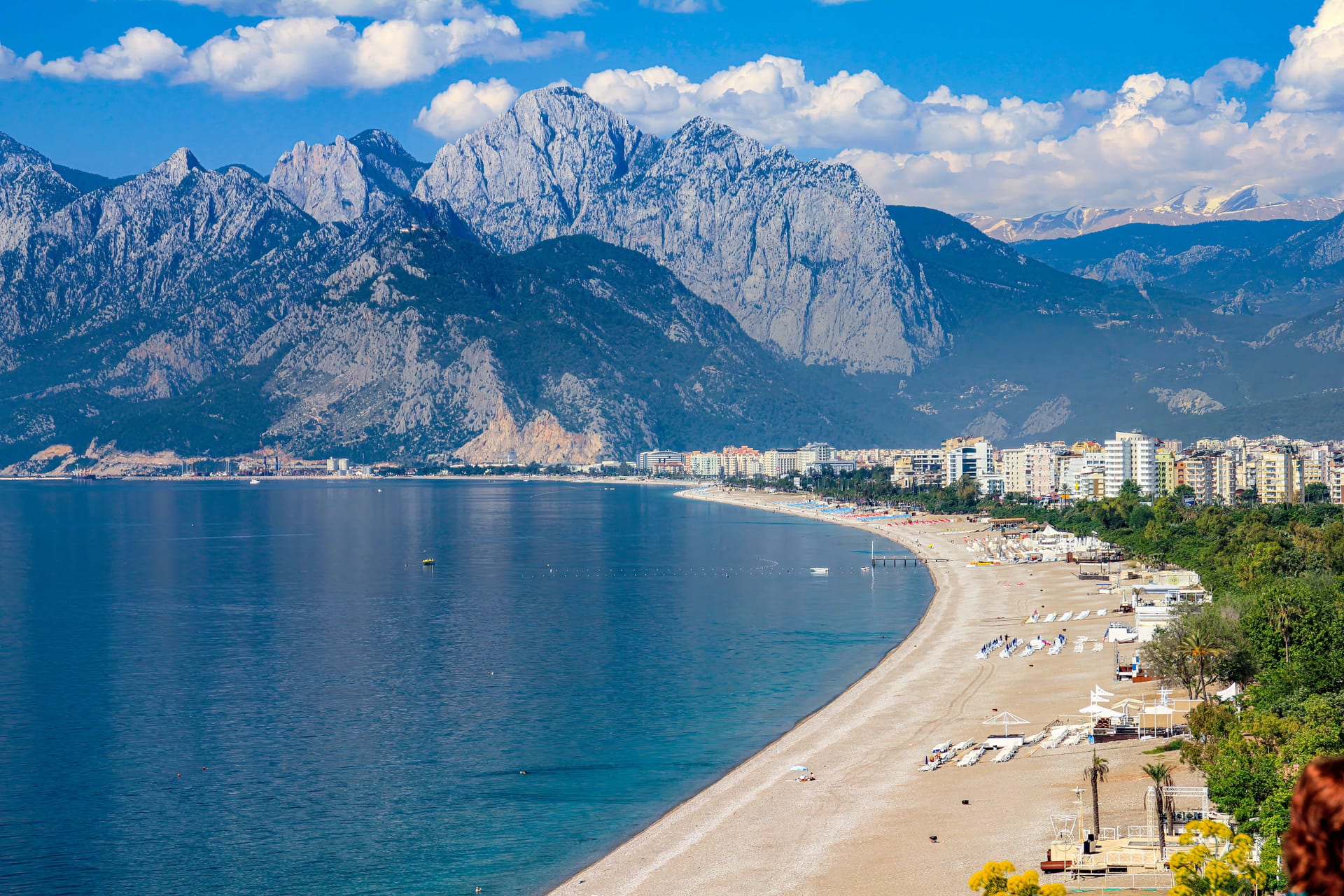
Ankara is a planned administrative capital with an orderly, work-focused rhythm and lower housing pressure. Antalya swaps plateau streets for a Mediterranean waterfront and the Taurus mountains, with a slower resort-city pace. Ankara has the stronger healthcare and career profile; Antalya's appeal is the coast and more outdoor-oriented daily life.
The grey shape is all 283 cities; each row says whether lower or higher is better. Ratings out of 10 are our reviewed estimates; the rest is published data. How we measure
Set how much each area counts. The ranking updates as you go. Climate and values are left out because there is no better or worse there, only your taste.
Leads on nature & outdoors, city life and moving & settling in; stands out for beach & sea and winter comfort.
Leads on safety & health and work & family; stands out for train connections and professional network.
Scores out of 100, averaged from the areas you weighted. For a ranking built around your own situation, take the quiz.
Rent on a new lease, everyday prices and tax.
The year month by month. Whether it suits you is yours to judge.
Solid line: average daytime high. Dashed: night-time low. Point at the chart for any month; point at a city name to shade its range.
How easily you get to water, mountains and green space.
Getting around on foot, food, culture and the feel of the streets.
Crime, how safe people feel, and the care you would get.
Jobs, working culture, schools and raising kids.
Visas, language, paperwork and staying connected.
Where each city sits. There is no right end of these scales.
A spread-out, low-rise capital built around government ministries and wide boulevards rather than a dense historic core. Walkability is patchy and most daily life leans on a car or the metro.
A spread-out, low-rise coastal city rather than a tight urban core. Density is low and a car helps for much of daily life, though the central districts and old town are walkable enough.
Day-to-day safety is a strong point. Violent crime is low, petty theft is modest, and walking around after dark feels comfortable in most areas.
Violent and petty crime sit low, traffic feels manageable for Turkey, and most residents move around comfortably after dark. The serious caveat is national-level political stability, which scores at the floor here, the kind of background uncertainty worth weighing before a long-term commitment.
Ankara offers a moderate professional base, but the local market is not easy: unemployment is elevated and English-language roles are limited. Hospital access and emergency care are solid, with reputable public and private facilities serving the city.
Antalya's local job market is narrow, with limited industry breadth and few English-language roles. Care is solid and very affordable, with private hospitals that serve a large medical-tourism trade and out-of-pocket costs far below Western Europe.
Turkish food is excellent and everyday, with strong restaurants and a genuine cafe culture across the student-heavy districts. Ankara is an orderly administrative capital, moderately kept, with denser districts behind the official façade.
Turkish food culture runs deep and the restaurant and cafe scene is comfortable, if quieter than Istanbul's. Antalya is a tidy resort town, its old town cared-for even as the edges sprawl.
Ankara is a sensible base if local work and reliable services matter most, and you prefer a steady capital over a holiday-town atmosphere. Antalya suits someone who wants the sea and mountains nearby and is comfortable with a narrower career market. A concrete job should carry more weight than the promise of perpetual resort life.
These numbers treat everyone the same. The quiz weighs them by your budget, climate taste, family and work, and ranks all 283 cities for you.