 China
Beijing makes sense if
- A calmer day-to-day safety profile matters most to you.
- Access to stronger healthcare matters most to you.
- You want the broader career options in this comparison.
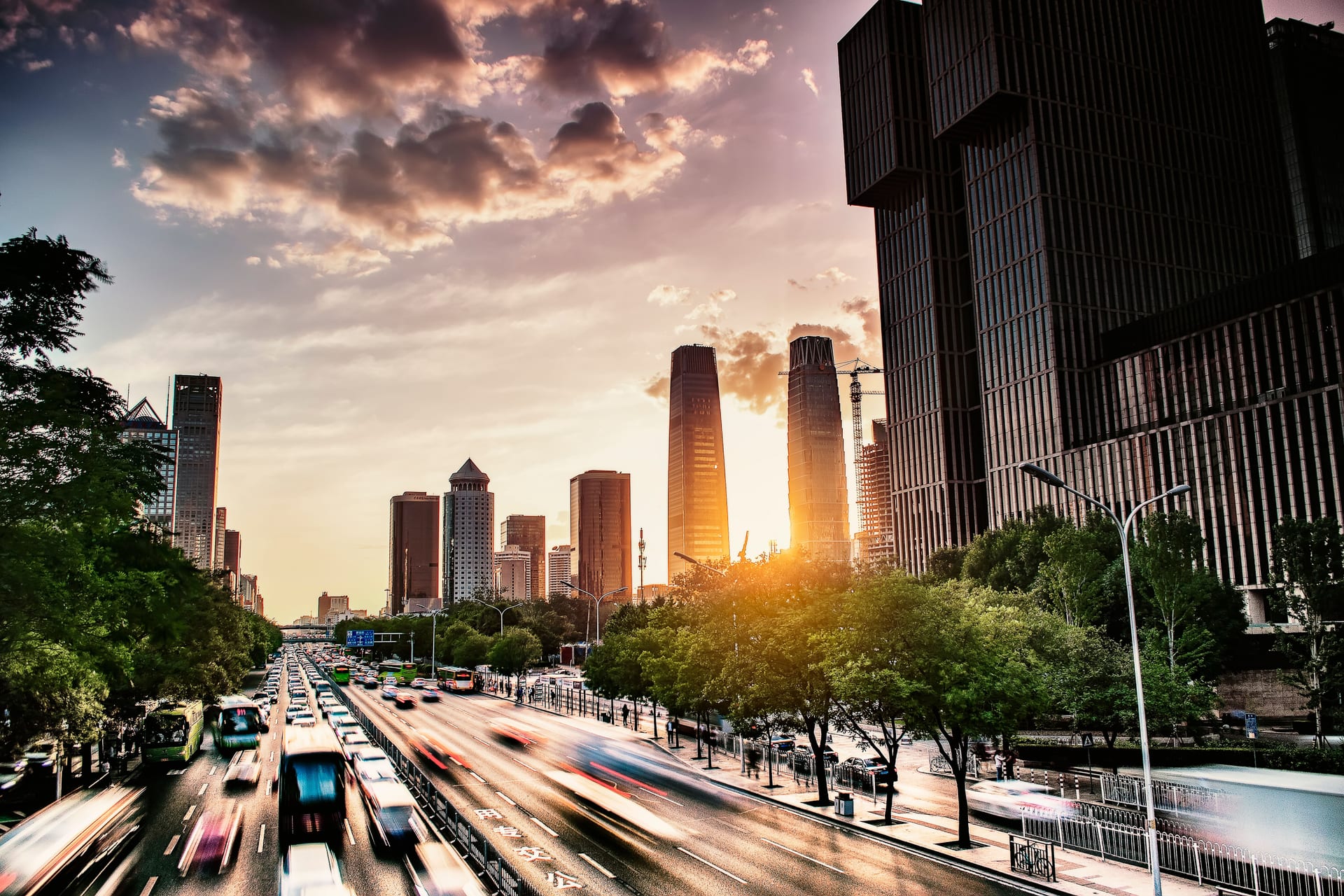
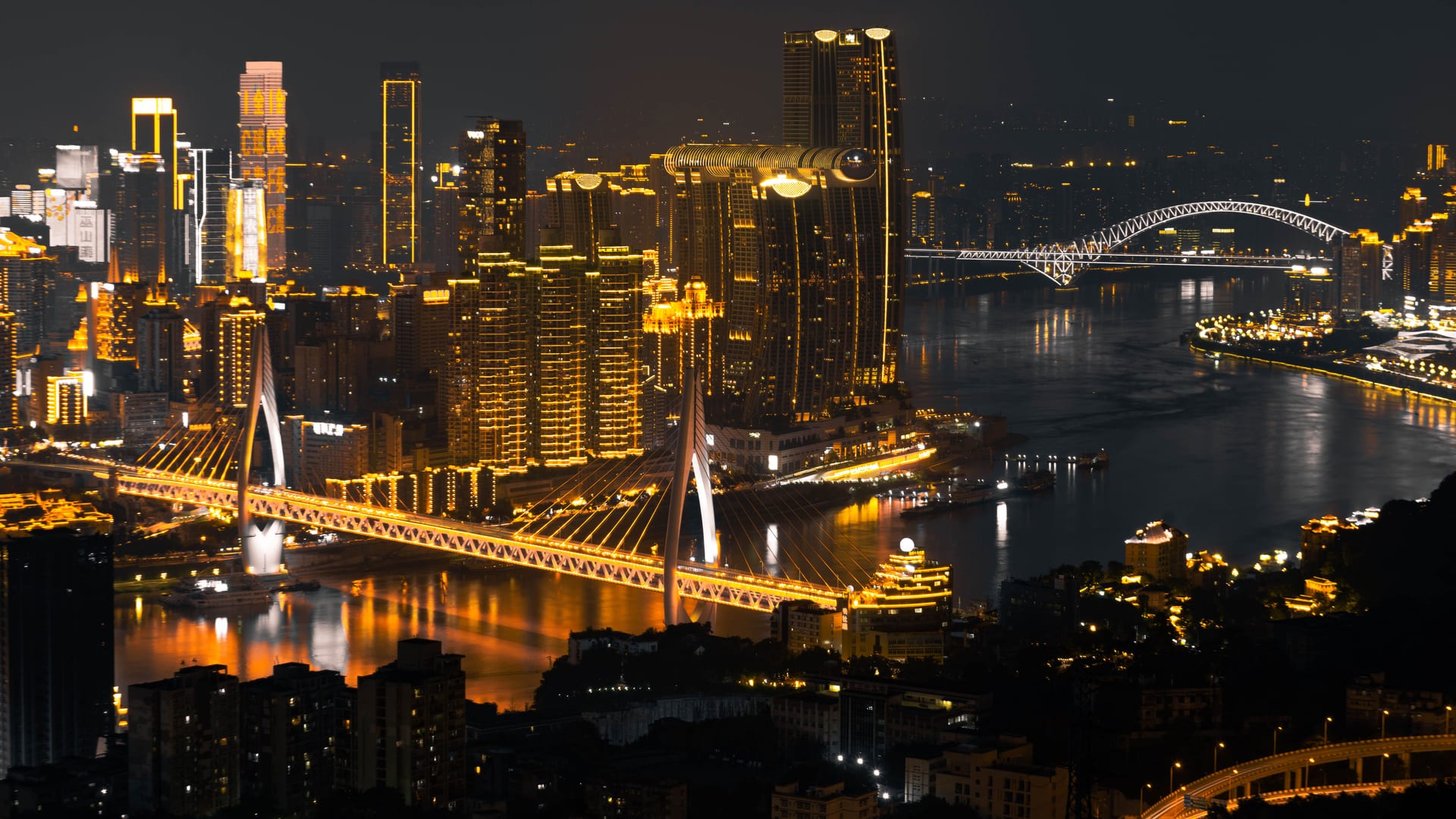
Beijing's grand avenues, historic sites and national institutions come with a highly competitive work scene and a large-city pace. Chongqing is a steep, river-wrapped metropolis where layered streets and dramatic topography make the urban experience unusually distinctive, though humid summers and a sprawling footprint complicate getting around.
The grey shape is all 283 cities; each row says whether lower or higher is better. Ratings out of 10 are our reviewed estimates; the rest is published data. How we measure
Set how much each area counts. The ranking updates as you go. Climate and values are left out because there is no better or worse there, only your taste.
Leads on city life, safety & health, work & family and moving & settling in; stands out for startup & tech scene and bright days.
Narrowly best on money: 69 vs Beijing's 68; stands out for space for the money and lakes & rivers.
Scores out of 100, averaged from the areas you weighted. For a ranking built around your own situation, take the quiz.
Rent on a new lease, everyday prices and tax.
The year month by month. Whether it suits you is yours to judge.
Solid line: average daytime high. Dashed: night-time low. Point at the chart for any month; point at a city name to shade its range.
How easily you get to water, mountains and green space.
Getting around on foot, food, culture and the feel of the streets.
Crime, how safe people feel, and the care you would get.
Jobs, working culture, schools and raising kids.
Visas, language, paperwork and staying connected.
Where each city sits. There is no right end of these scales.
The city sprawls outward in vast ring-road tiers, so overall density reads low even as the historic core stays intensely urban. Many districts are genuinely walkable and well stitched together, with shops and homes mixed close, though not quite to Shanghai or Tokyo's level.
Chongqing is a dense, fast-paced city with mixed-use neighbourhoods woven through a steep landscape. Some districts support walking, but the hills and compact homes make daily movement and living space feel demanding.
Street safety is a standout. Violent crime is rare, petty theft low, and walking around at night feels secure across most of the city.
Surveillance is heavy and visible. The wider caveat is governance rather than crime: political stability scores poorly, the trade-off behind the order and control that shape public life here.
Beijing offers one of the deeper local markets in the set, with strong technology and startup ecosystems and dense professional networks. The top hospitals deliver genuinely strong care, with the best facilities edging out Shanghai's on quality.
Chongqing offers a respectable local market anchored in industry and manufacturing, but the opportunities lean heavily toward the local economy. Healthcare is solid for everyday needs, with large hospitals and reliable emergency care, though quality and doctor availability trail Shanghai and well-resourced peers like Tokyo.
Few cities offer more on the cultural front. Beijing's monumental core is kept orderly, but the dust and dense outskirts wear unevenly.
Local culture runs deep, cafes and nightlife are lively. Chongqing is vast, hilly and frankly grimy, an industrial megacity where upkeep struggles to keep pace.
Beijing makes sense for careers tied to government, research or major institutions. Chongqing offers a more unusual landscape and a less conventional city feel, best for people comfortable with hills, humidity and a city that does not move at ground level alone.
These numbers treat everyone the same. The quiz weighs them by your budget, climate taste, family and work, and ranks all 283 cities for you.