 China
Beijing makes sense if
- Access to stronger healthcare matters most to you.
- You want the broader career options in this comparison.
- You want the deeper culture and food scene.
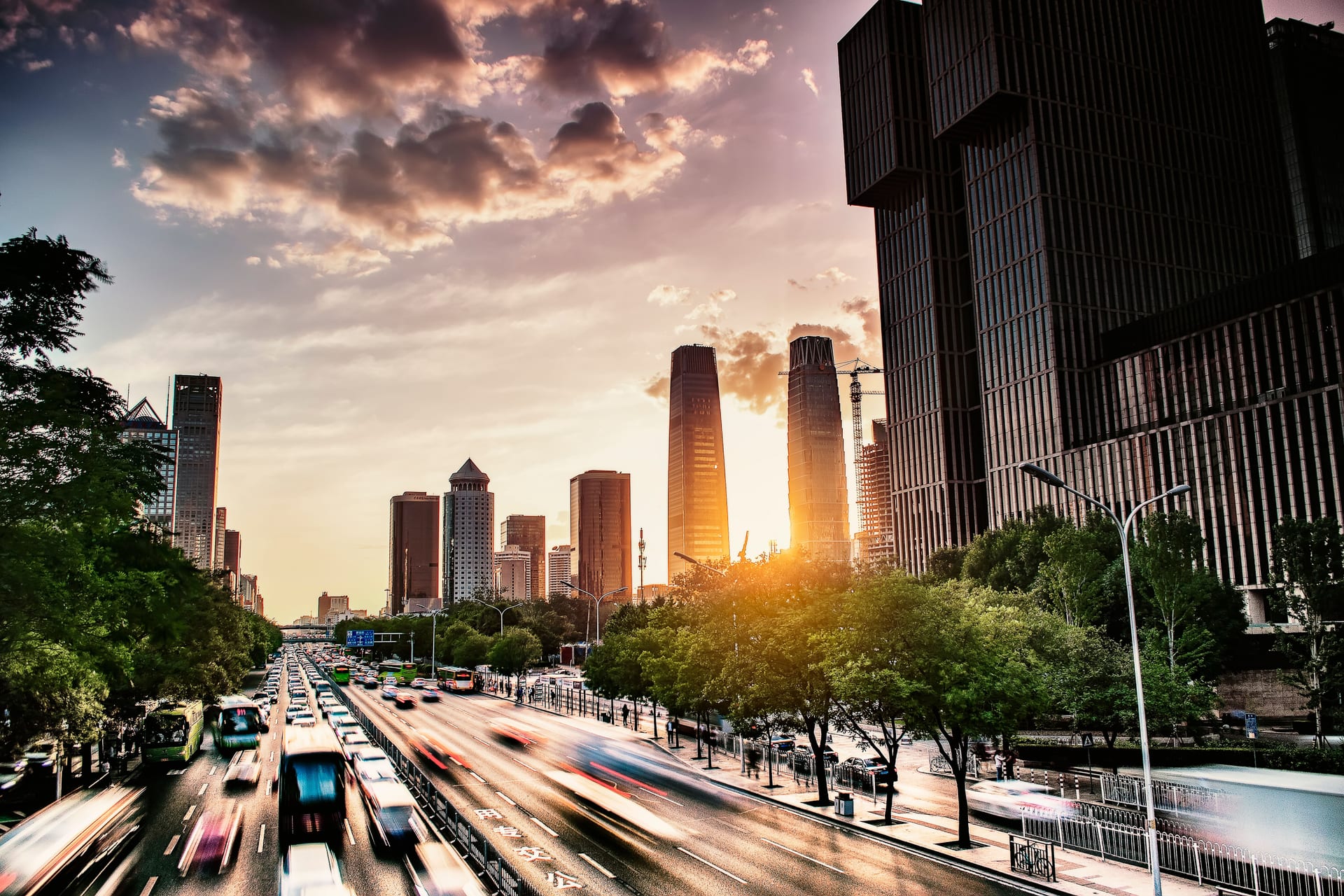
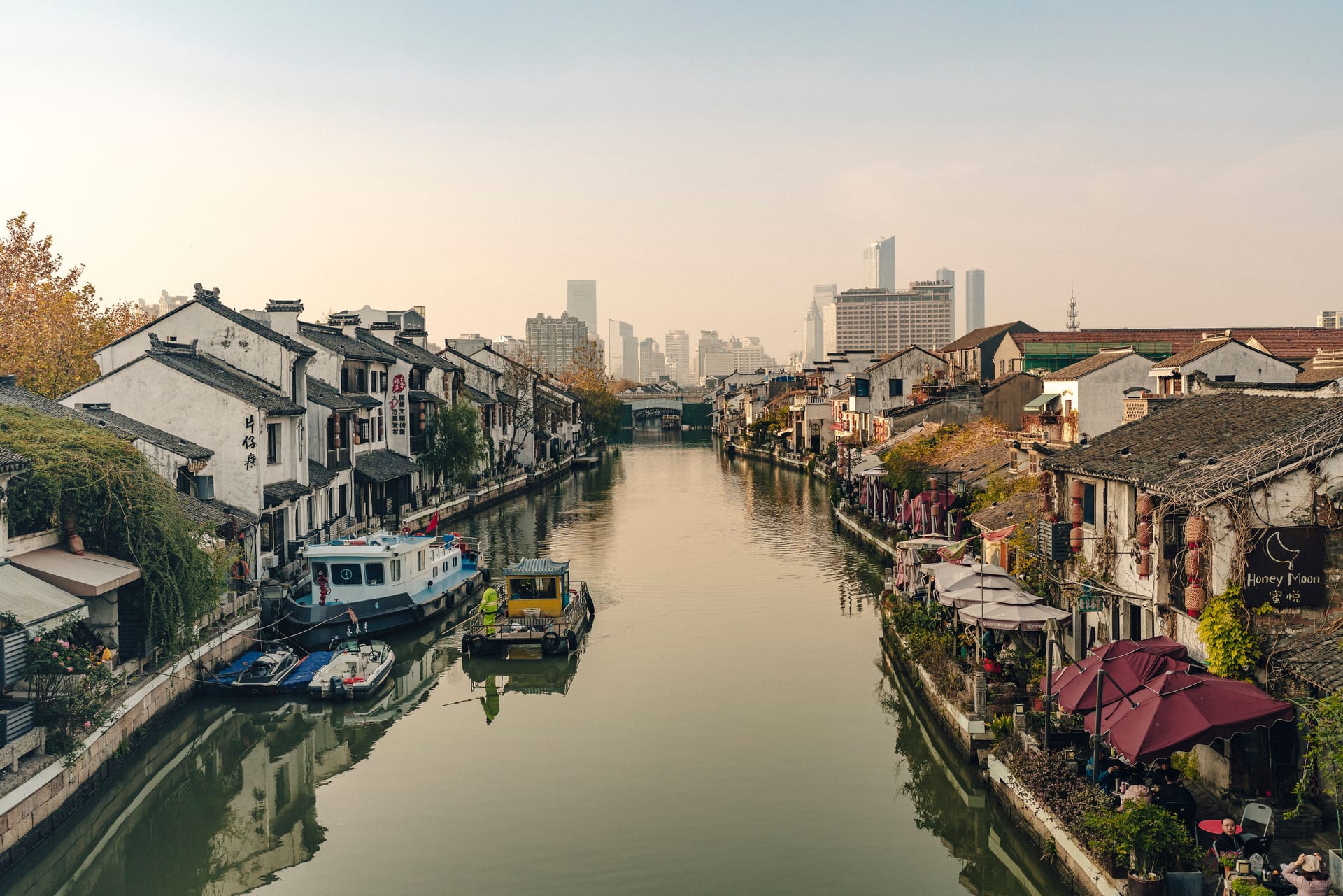
Beijing is a vast political and cultural capital with deep career options and a constant stream of museums and historic sites. Suzhou is a smaller city of canals and classical gardens, with a quieter texture and strong manufacturing and technology links; its appeal depends on whether that more measured scale fits your work.
The grey shape is all 283 cities; each row says whether lower or higher is better. Ratings out of 10 are our reviewed estimates; the rest is published data. How we measure
Set how much each area counts. The ranking updates as you go. Climate and values are left out because there is no better or worse there, only your taste.
Leads on nature & outdoors and work & family; stands out for mountains and hiking.
Narrowly best on money: 70 vs Beijing's 68; stands out for lakes & rivers and cycling infrastructure.
Scores out of 100, averaged from the areas you weighted. For a ranking built around your own situation, take the quiz.
Rent on a new lease, everyday prices and tax.
The year month by month. Whether it suits you is yours to judge.
Solid line: average daytime high. Dashed: night-time low. Point at the chart for any month; point at a city name to shade its range.
How easily you get to water, mountains and green space.
Getting around on foot, food, culture and the feel of the streets.
Crime, how safe people feel, and the care you would get.
Jobs, working culture, schools and raising kids.
Visas, language, paperwork and staying connected.
Where each city sits. There is no right end of these scales.
The city sprawls outward in vast ring-road tiers, so overall density reads low even as the historic core stays intensely urban. Many districts are genuinely walkable and well stitched together, with shops and homes mixed close, though not quite to Shanghai or Tokyo's level.
For a Chinese city Suzhou is mid-sized rather than sprawling, which keeps the pace gentler than the megacity rush of Shanghai. The historic core is walkable and dotted with gardens and waterways, while the surrounding districts and the Suzhou Industrial Park are more spread out and car-friendly.
Street safety is a standout. Violent crime is rare, petty theft low, and walking around at night feels secure across most of the city.
Safety is a clear strength. Violent crime is extremely rare, streets feel secure well into the night, and petty theft is uncommon by most international measures.
Beijing offers one of the deeper local markets in the set, with strong technology and startup ecosystems and dense professional networks. The top hospitals deliver genuinely strong care, with the best facilities edging out Shanghai's on quality.
Suzhou's industrial base supports a strong local job market, especially around manufacturing and electronics. Healthcare is adequate but uneven for a newcomer.
Few cities offer more on the cultural front. Beijing's monumental core is kept orderly, but the dust and dense outskirts wear unevenly.
Local culture is the deep, genuine draw here, from the UNESCO-listed classical gardens to a refined regional cuisine and a long literary and silk-making heritage. Suzhou is tidy and affluent, its canal-laced old town kept with real care.
Beijing is better for institutional careers and capital-city breadth. Suzhou offers a calmer base with a distinctive historic landscape and access to the Yangtze River Delta economy, if you do not need Beijing's wider job market.
These numbers treat everyone the same. The quiz weighs them by your budget, climate taste, family and work, and ranks all 283 cities for you.