 United Kingdom
 Ireland
Belfast makes sense if
- You want the easier housing and budget equation in this comparison.
- Access to stronger healthcare matters most to you.
- You want the deeper culture and food scene.
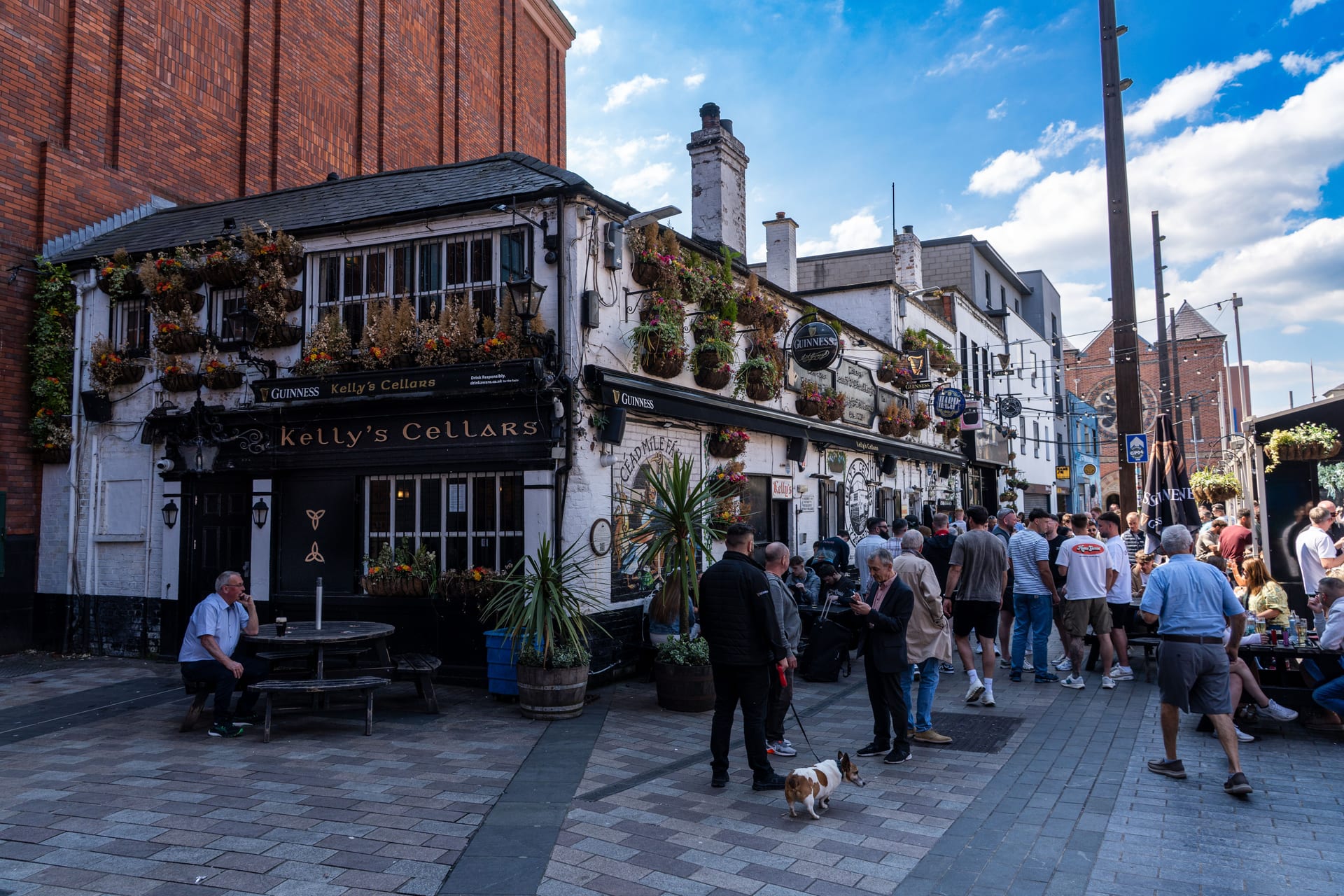
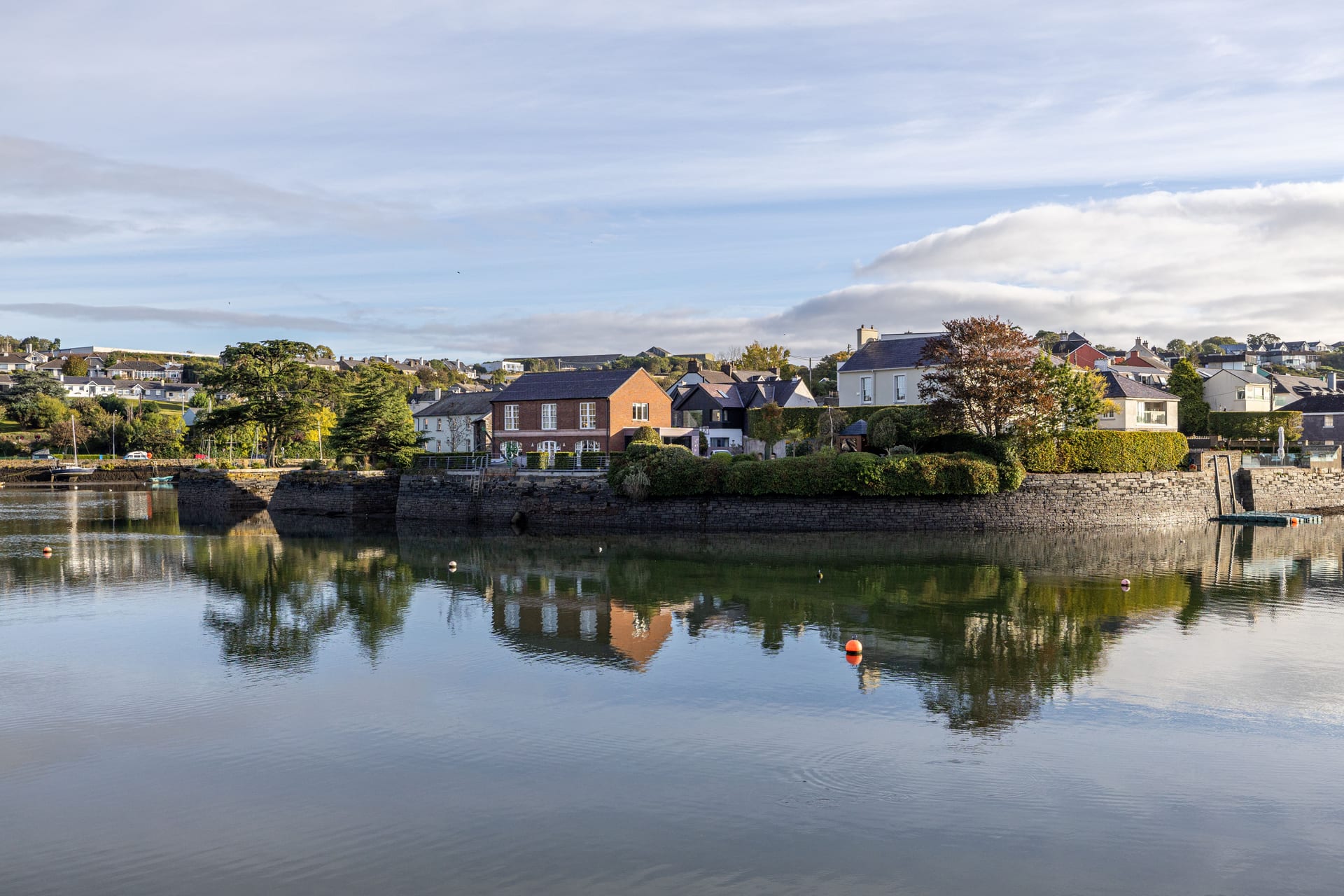
Belfast's shipbuilding history and music scene sit within a compact city that has reinvented itself, with a growing professional base and visible reminders of its past. Cork feels smaller and more relaxed, with a lively food culture and harbour setting; housing availability is an important practical constraint there.
The grey shape is all 283 cities; each row says whether lower or higher is better. Ratings out of 10 are our reviewed estimates; the rest is published data. How we measure
Set how much each area counts. The ranking updates as you go. Climate and values are left out because there is no better or worse there, only your taste.
Leads on moving & settling in; stands out for political stability and openness to newcomers.
Leads on money; stands out for easier house-hunting and space for the money.
Scores out of 100, averaged from the areas you weighted. For a ranking built around your own situation, take the quiz.
Rent on a new lease, everyday prices and tax.
The year month by month. Whether it suits you is yours to judge.
Solid line: average daytime high. Dashed: night-time low. Point at the chart for any month; point at a city name to shade its range.
How easily you get to water, mountains and green space.
Getting around on foot, food, culture and the feel of the streets.
Crime, how safe people feel, and the care you would get.
Jobs, working culture, schools and raising kids.
Visas, language, paperwork and staying connected.
Where each city sits. There is no right end of these scales.
A compact, low-rise city that is easy to cross on foot and never feels overwhelming. Walkable central neighbourhoods and a manageable scale are the draw.
The centre supports walking and mixed-use living, but density and housing space are middling. It suits a calm daily rhythm, not people seeking constant big-city momentum.
Among the safer cities to live in day to day. Serious violent crime is low and the roads are calm and well-behaved by city standards, so walking around feels relaxed at most hours.
Serious and violent crime are very low, the streets feel safe by day and largely fine after dark, and traffic is calm by city standards. Petty crime exists, as in any urban place, but stays at the mild end.
Work is available in a small local market, with a modest startup scene and a professional network that remains limited. Care runs through the NHS, so there are no insurance puzzles and almost no out-of-pocket shock at the point of use, all in English.
For a city this size the job market is surprisingly healthy, anchored by pharma and a real tech presence, and unemployment is low. Care is competent and, being entirely English-speaking, completely accessible to newcomers, with no language wall at the GP or hospital.
The sense of place is real and distinctly its own. Belfast keeps things moderately clean, with the cared-for Cathedral Quarter set against grittier, neglected pockets.
Cork punches above its weight here, with a genuinely good restaurant and cafe scene, the well-known English Market at its heart, and a lively local culture proud of being its own thing rather than a smaller Dublin. Cork is reasonably clean, with a tidy centre softened by a few shabby edges.
Belfast suits someone who wants a city with cultural energy and room to grow professionally. Cork is a good fit for a smaller coastal routine and strong food culture, if you can secure housing that works for your plans.
These numbers treat everyone the same. The quiz weighs them by your budget, climate taste, family and work, and ranks all 283 cities for you.