 United Kingdom
Birmingham makes sense if
- You want the easier housing and budget equation in this comparison.
Birmingham is a practical base with plentiful English-language work and a strong local market. Bristol has a walkable center, an unusually lively food and music scene, and an easiergoing harbor-and-hills setting, though its costs are higher than much of the country.
The grey shape is all 283 cities; each row says whether lower or higher is better. Ratings out of 10 are our reviewed estimates; the rest is published data. How we measure
Set how much each area counts. The ranking updates as you go. Climate and values are left out because there is no better or worse there, only your taste.
Leads on nature & outdoors, city life and work & family; stands out for cycling infrastructure and safe for children.
Leads on money; stands out for easier house-hunting.
Scores out of 100, averaged from the areas you weighted. For a ranking built around your own situation, take the quiz.
Rent on a new lease, everyday prices and tax.
The year month by month. Whether it suits you is yours to judge.
Solid line: average daytime high. Dashed: night-time low. Point at the chart for any month; point at a city name to shade its range.
How easily you get to water, mountains and green space.
Getting around on foot, food, culture and the feel of the streets.
Crime, how safe people feel, and the care you would get.
Jobs, working culture, schools and raising kids.
Visas, language, paperwork and staying connected.
Where each city sits. There is no right end of these scales.
A compact, walkable centre wrapped in a wide spread of suburbs, which means much of daily life leans on a car once outside the core. Density is modest for a city this size and neighbourhood quality is solid if unspectacular.
Mixed-use streets and a less car-dependent core make daily life easy on foot. The pace is relaxed rather than frenetic, and homes tend toward the cramped side on space.
Broadly safe in the ways that matter most: serious violence is uncommon and the roads are among the safer ones by European measure. Day to day, petty crime and a slightly edgier feel after dark in parts of the centre keep it a notch below quieter British cities like Edinburgh.
Bristol feels steady day to day, but it records more violent crime than its calm reputation suggests, close to Manchester and Birmingham per resident. Petty crime in the busier central areas is the other common concern, while road safety is reliable and serious harm stays rare.
Birmingham has a broad local job market, with solid industry coverage, plentiful English-language roles, and useful professional networks. Care runs on the NHS, free at the point of use and delivered entirely in English, which removes the language friction newcomers hit across much of the continent.
For work, the city has a strong local market, with a broad industry base and a healthy professional network. Care quality is solid and runs through the NHS, so out-of-pocket cost exposure stays low and there is no insurance maze to navigate.
The standout. The canals, the Bullring and a few regenerated squares give it shared space, if thinner than London's.
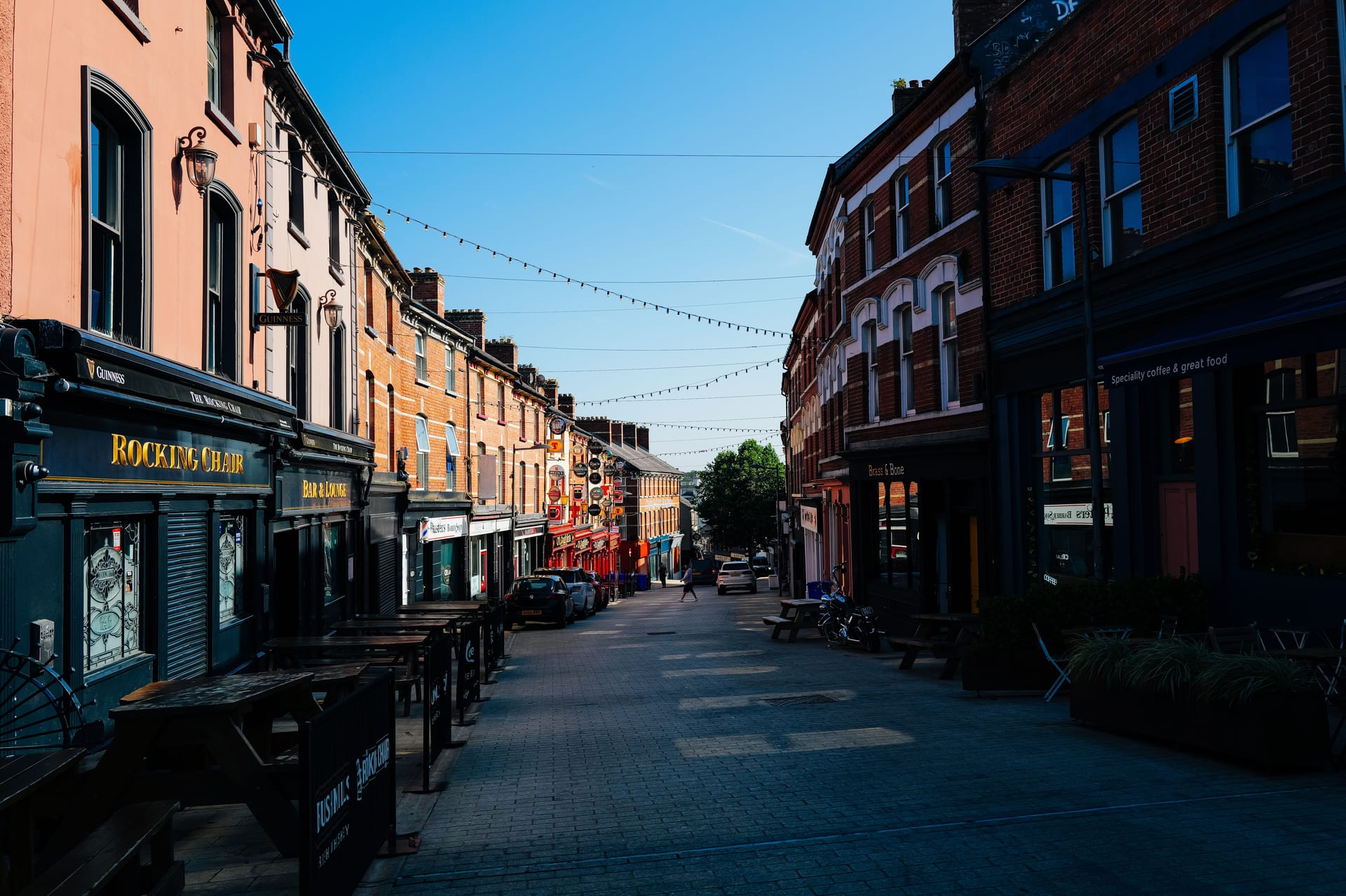
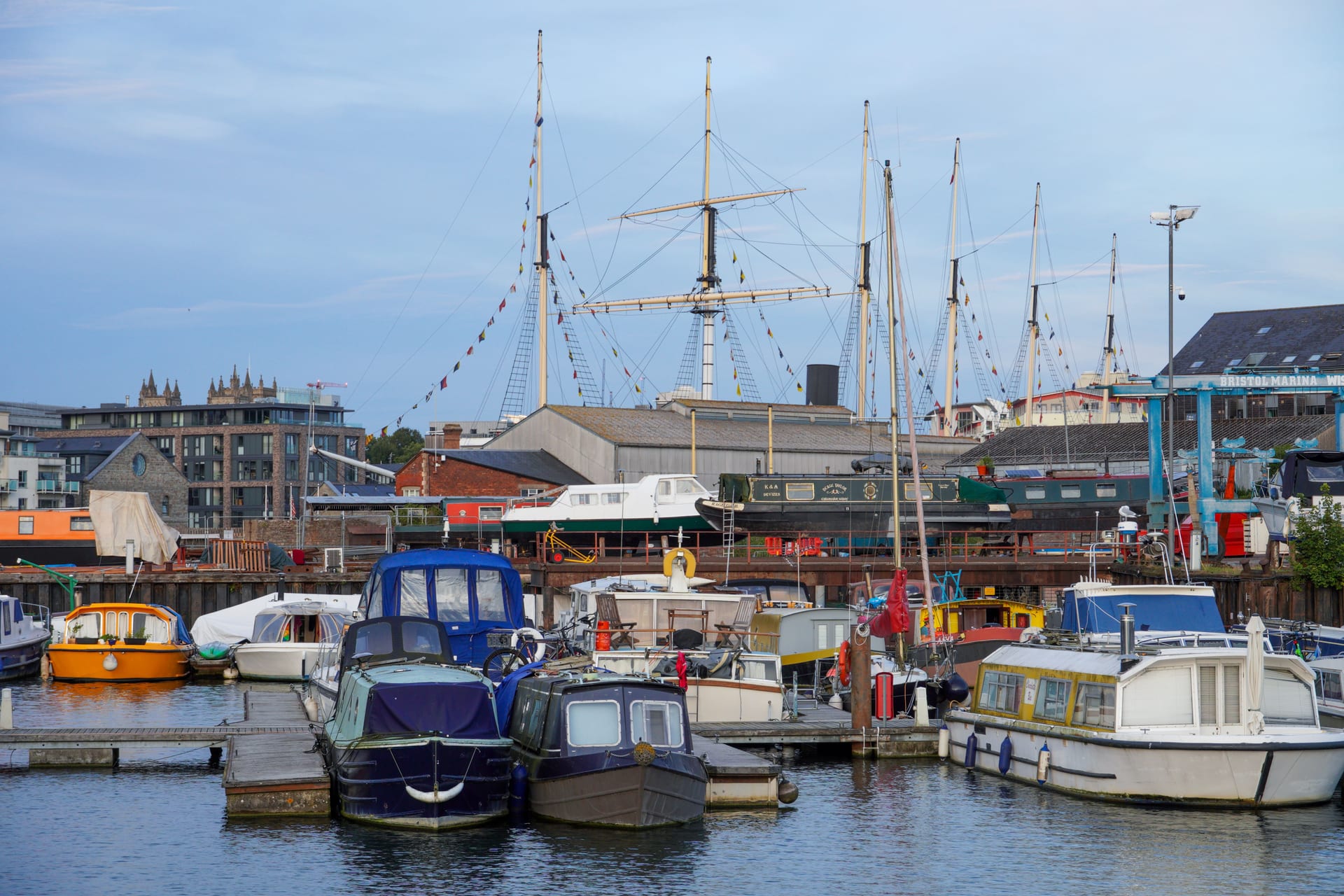
Culture is Bristol's strongest suit. Bristol is lived-in and a touch scruffy, street art and harbourside grit sitting alongside a genuinely cared-for waterfront.
Birmingham makes sense when local work access and a manageable budget come first. Bristol suits someone who wants a more distinctive cultural scene and walkable daily life. Look closely at housing and the commute each job would require.
These numbers treat everyone the same. The quiz weighs them by your budget, climate taste, family and work, and ranks all 283 cities for you.