 United Kingdom
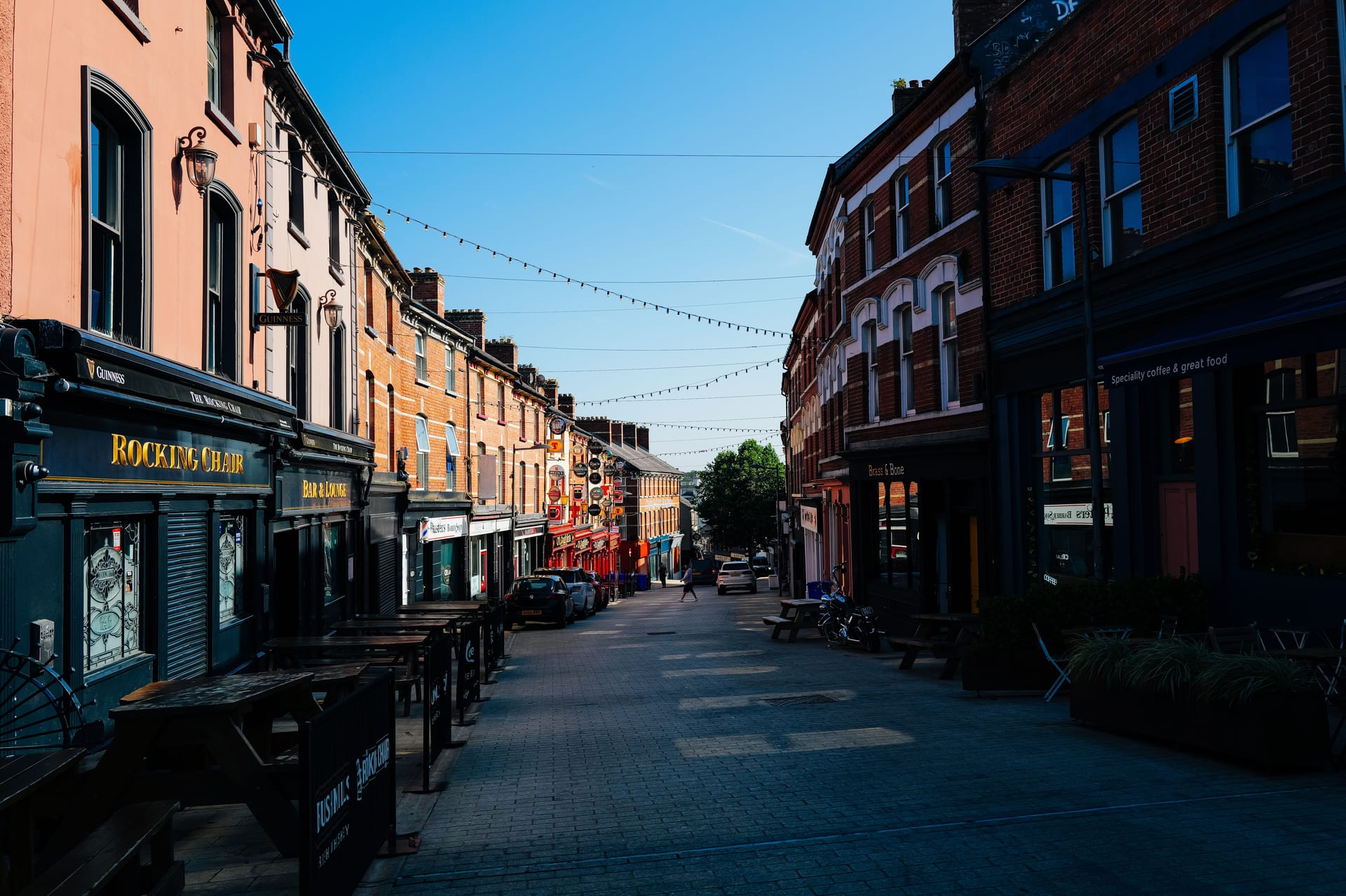
Birmingham makes sense if
- You want the easier housing and budget equation in this comparison.
- You want the deeper culture and food scene.
Birmingham is a broad, practical job base with plentiful English-language work. Cambridge is much smaller and calmer, with a walkable, bike-oriented university setting and work concentrated in science and technology; its housing can be a major constraint.
The grey shape is all 283 cities; each row says whether lower or higher is better. Ratings out of 10 are our reviewed estimates; the rest is published data. How we measure
Set how much each area counts. The ranking updates as you go. Climate and values are left out because there is no better or worse there, only your taste.
Leads on city life, safety & health and work & family; stands out for clean, cared-for streets and cycling infrastructure.
Narrowly best on money: 66 vs Cambridge's 63; stands out for music & art scene and easier house-hunting.
Scores out of 100, averaged from the areas you weighted. For a ranking built around your own situation, take the quiz.
Rent on a new lease, everyday prices and tax.
The year month by month. Whether it suits you is yours to judge.
Solid line: average daytime high. Dashed: night-time low. Point at the chart for any month; point at a city name to shade its range.
How easily you get to water, mountains and green space.
Getting around on foot, food, culture and the feel of the streets.
Crime, how safe people feel, and the care you would get.
Jobs, working culture, schools and raising kids.
Visas, language, paperwork and staying connected.
Where each city sits. There is no right end of these scales.
A compact, walkable centre wrapped in a wide spread of suburbs, which means much of daily life leans on a car once outside the core. Density is modest for a city this size and neighbourhood quality is solid if unspectacular.
Daily life is highly walkable, with most short trips working on foot or by bike and little need for a car. The cost of that compactness is cramped housing and a quiet tempo.
Broadly safe in the ways that matter most: serious violence is uncommon and the roads are among the safer ones by European measure. Day to day, petty crime and a slightly edgier feel after dark in parts of the centre keep it a notch below quieter British cities like Edinburgh.
Traffic is gentle and well-managed, helped by all the cycling. Petty theft, bike theft especially, is the main thing residents actually contend with, a little more than in smaller Scottish cities.
Birmingham has a broad local job market, with solid industry coverage, plentiful English-language roles, and useful professional networks. Care runs on the NHS, free at the point of use and delivered entirely in English, which removes the language friction newcomers hit across much of the continent.
Its work market has unusual depth in science, technology, and research, with strong professional networks and a well-developed startup scene. Care runs through the NHS and is delivered in plain English, which removes a layer of stress most newcomers abroad never escape.
The standout. The canals, the Bullring and a few regenerated squares give it shared space, if thinner than London's.
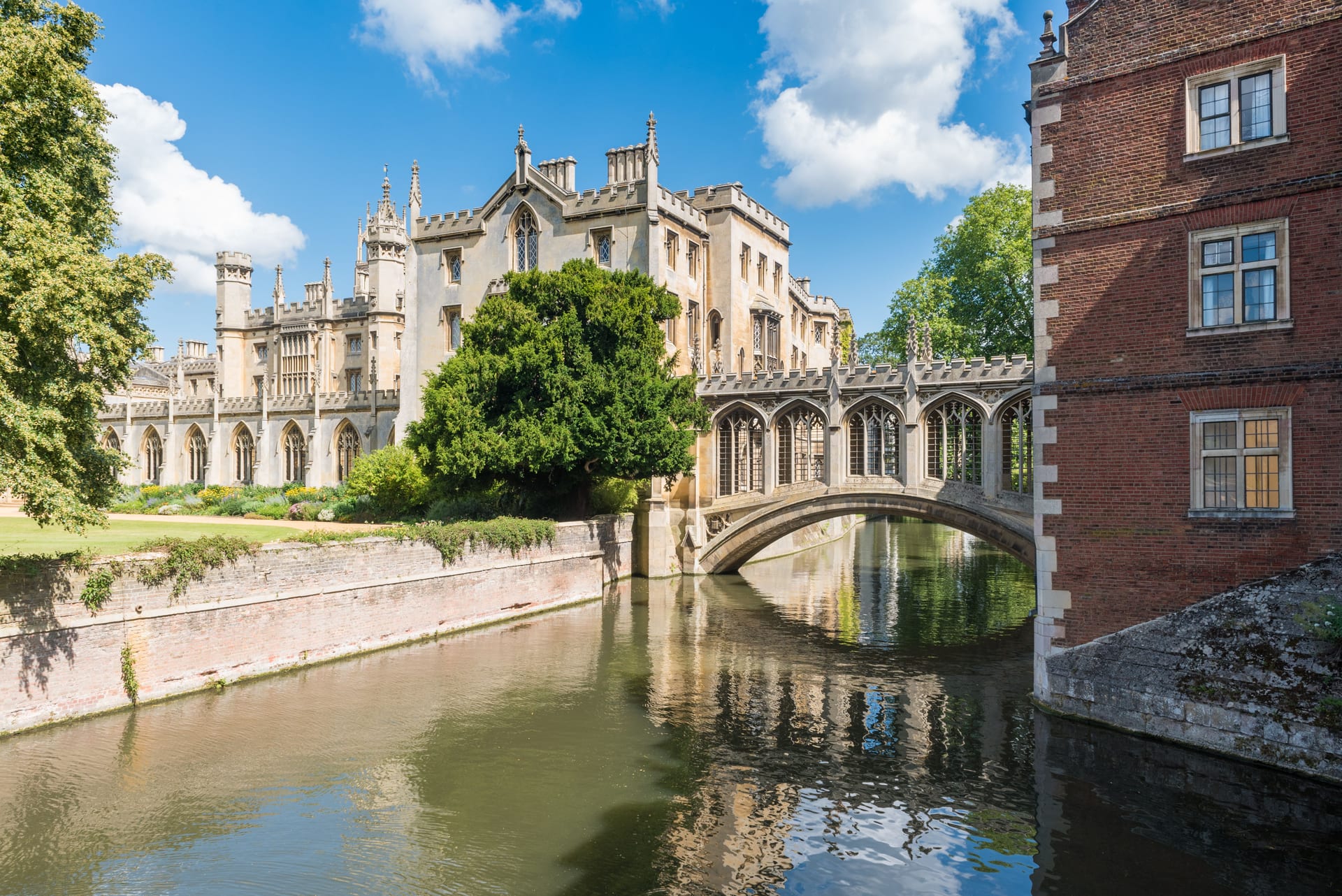
Strong on cafes, museums, and the cultural weight that centuries of university life leave behind, with a genuinely good vegetarian and vegan scene. Cambridge is pristine and well-heeled, its college courts and manicured lawns kept in immaculate order.
Cambridge fits someone whose career aligns with its research and technology economy and who wants a quiet, compact routine. Birmingham is more versatile for general local work and offers a more practical starting point. Check housing availability before treating Cambridge's small scale as an advantage.
These numbers treat everyone the same. The quiz weighs them by your budget, climate taste, family and work, and ranks all 283 cities for you.