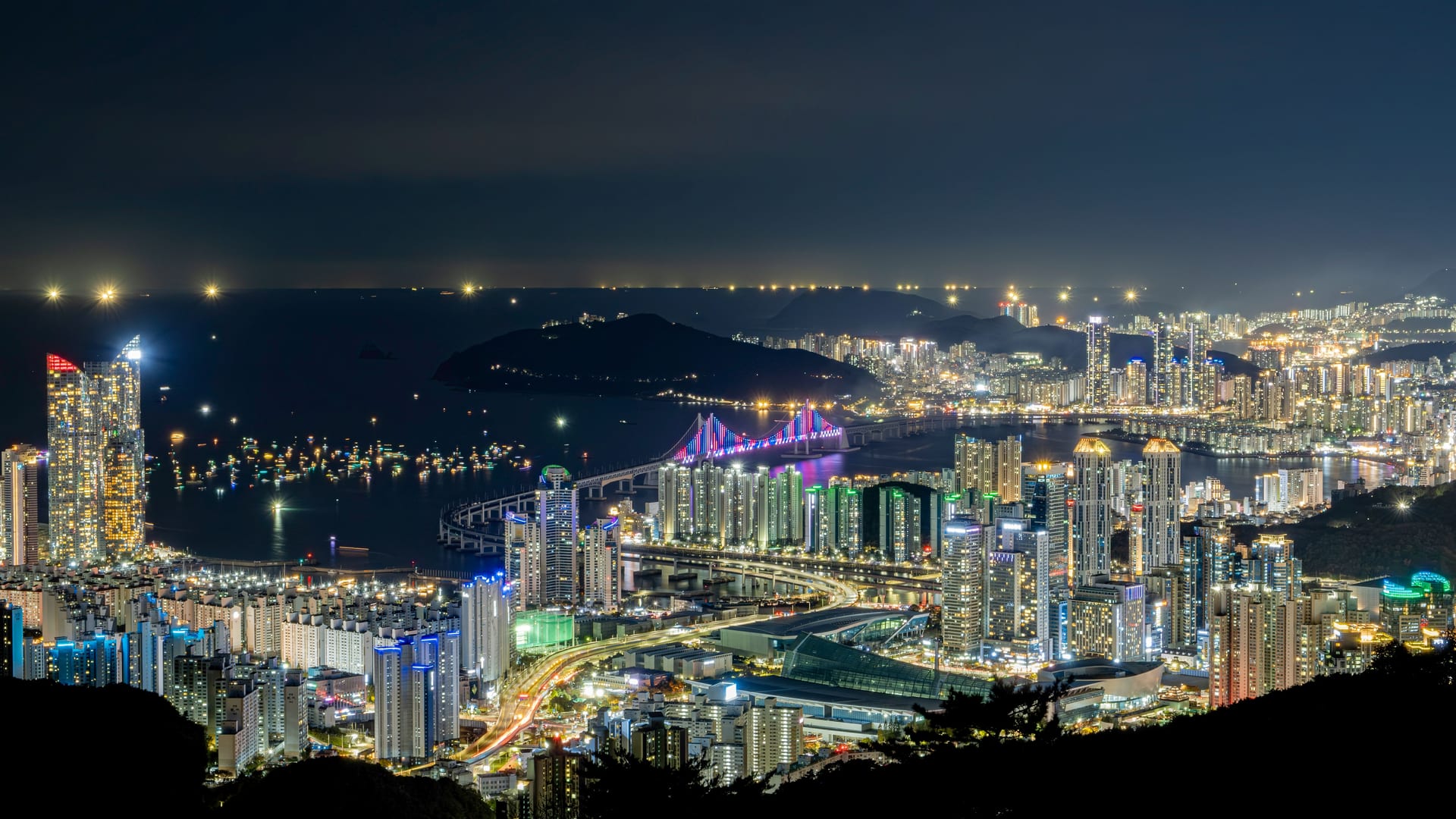
 South Korea
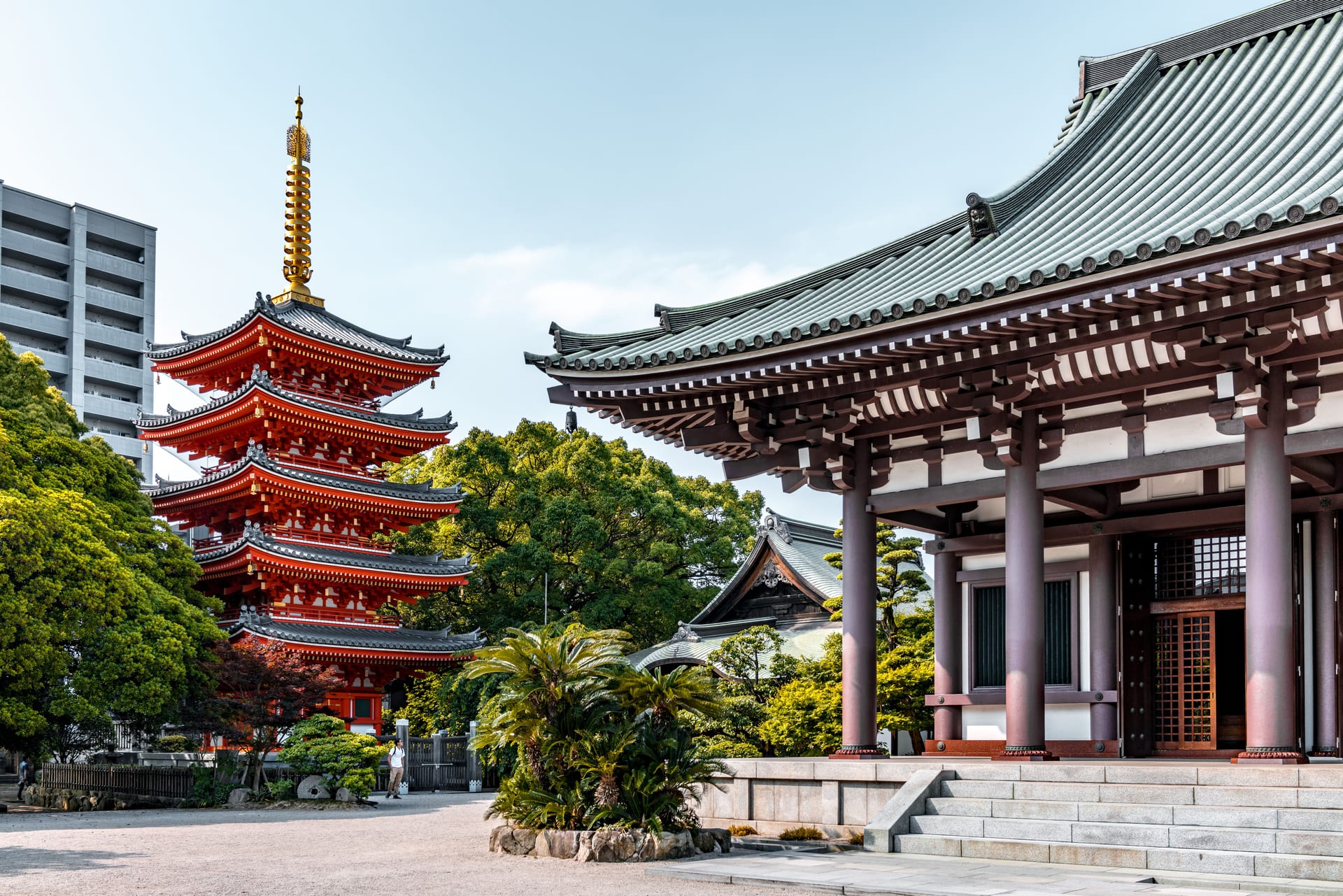
 Japan
Busan makes sense if
- You want the easier housing and budget equation in this comparison.
- You want the broader career options in this comparison.
- You want the deeper culture and food scene.
Busan's beaches, Jagalchi market and seafood stalls give daily life a distinct port-city feel. Fukuoka is more compact, with Ohori Park, waterfront paths and riverside yatai stalls close to the city centre.
The grey shape is all 283 cities; each row says whether lower or higher is better. Ratings out of 10 are our reviewed estimates; the rest is published data. How we measure
Set how much each area counts. The ranking updates as you go. Climate and values are left out because there is no better or worse there, only your taste.
Leads on nature & outdoors; stands out for mountains and national parks nearby.
Narrowly best on safety & health: 80 vs Busan's 77; stands out for calmer weather and space for the money.
Scores out of 100, averaged from the areas you weighted. For a ranking built around your own situation, take the quiz.
Rent on a new lease, everyday prices and tax.
The year month by month. Whether it suits you is yours to judge.
Solid line: average daytime high. Dashed: night-time low. Point at the chart for any month; point at a city name to shade its range.
How easily you get to water, mountains and green space.
Getting around on foot, food, culture and the feel of the streets.
Crime, how safe people feel, and the care you would get.
Jobs, working culture, schools and raising kids.
Visas, language, paperwork and staying connected.
Where each city sits. There is no right end of these scales.
Smaller and noticeably less dense than Seoul, sprawled across valleys and coastline rather than packed into one core. Neighbourhoods are walkable and mixed-use, with shops, food and transit woven into where people live.
Streets mix shops, homes, and restaurants at close quarters, and neighbourhoods feel coherent and well-kept. It runs at a calmer tempo than Tokyo.
Violent crime is rare, streets stay calm after dark, and walking home late raises no real concern. Petty theft is low and the general sense of public safety is among the highest anywhere.
Safety is about as good as cities get. Violent crime is rare, streets feel secure walking home late, and traffic is orderly and low-risk.
Busan has a workable local market and very low unemployment, but English-language openings are scarce and the startup scene is modest. Care is high quality, fast and affordable, with hospitals easy to reach and out-of-pocket costs kept low by the national system.
Fukuoka has a healthy regional job market, low unemployment, and a startup scene with real momentum. Medical care is high quality and cheap to access, with the national insurance system keeping out-of-pocket costs low.
Food is the headline. Busan feels clean for a port city, its Haeundae and Gwangalli beaches and downtown streets well kept.
Food is the headline. Fukuoka is a clean, tidy Japanese city with well-maintained streets and an easy compact feel.
Fukuoka suits someone who wants a compact, exceptionally safe city with parks and street-food culture woven into the centre. Busan is the pick for beaches, seafood and a larger coastal sprawl.
These numbers treat everyone the same. The quiz weighs them by your budget, climate taste, family and work, and ranks all 283 cities for you.