 Canada
Calgary makes sense if
- A calmer day-to-day safety profile matters most to you.
- Access to stronger healthcare matters most to you.
- You want the broader career options in this comparison.
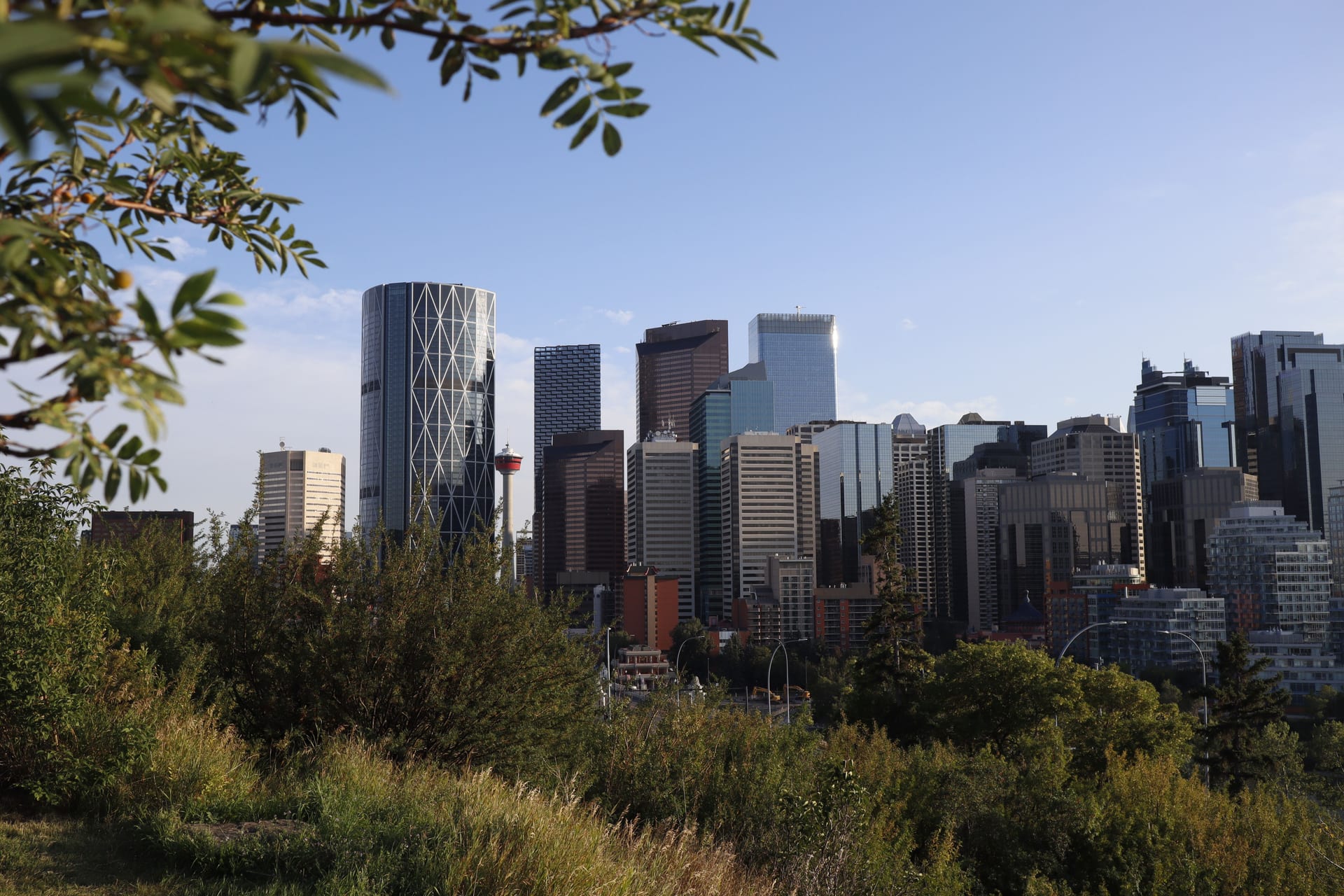
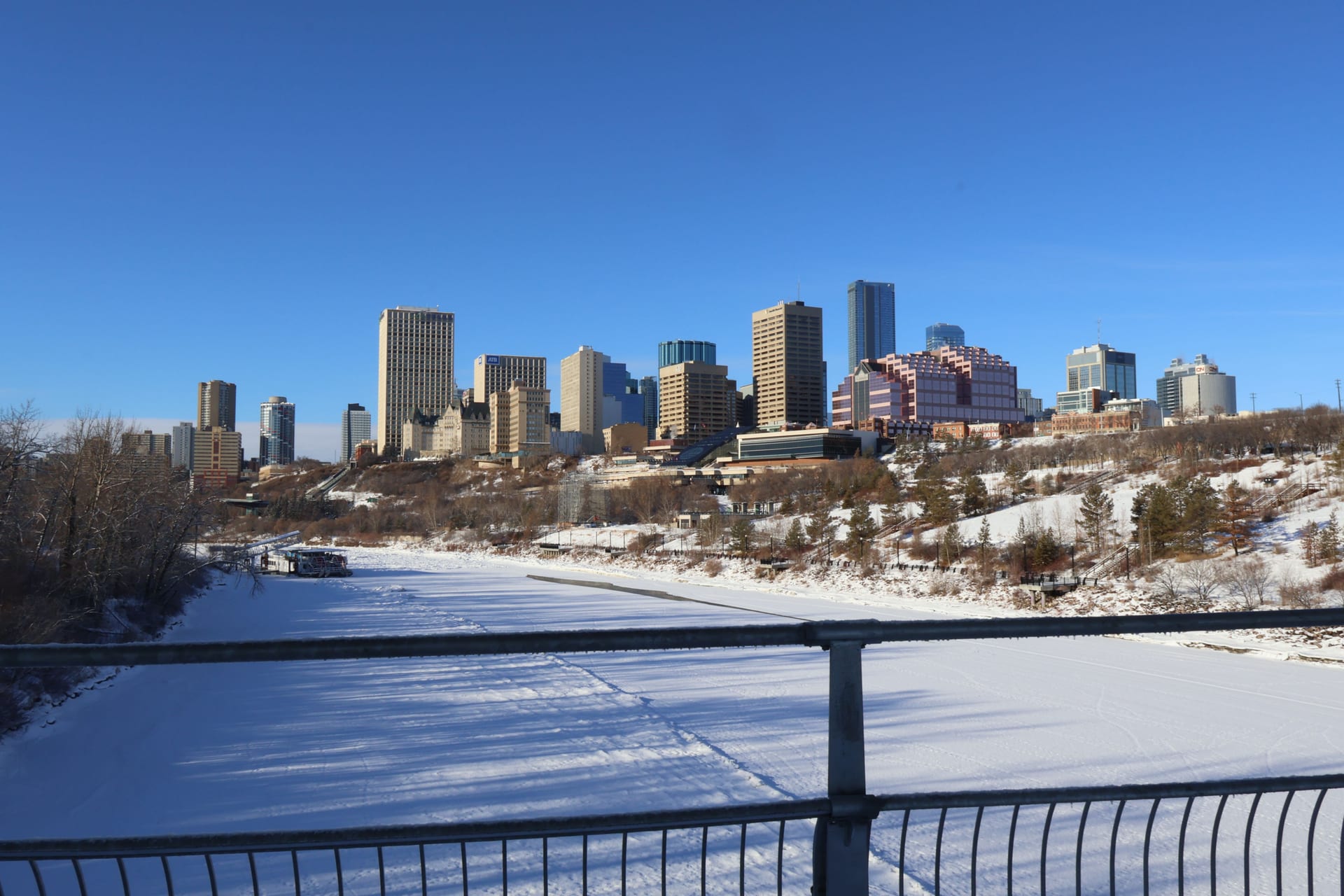
Calgary's downtown skywalks and riverfront plazas reflect a polished but car-oriented city. Edmonton's river valley is a daily escape from its colder, spread-out streets, and the summer festival calendar gives the city a lively seasonal pulse.
The grey shape is all 283 cities; each row says whether lower or higher is better. Ratings out of 10 are our reviewed estimates; the rest is published data. How we measure
Set how much each area counts. The ranking updates as you go. Climate and values are left out because there is no better or worse there, only your taste.
Leads on nature & outdoors, city life and safety & health; stands out for mountains and hiking.
Narrowly best on money: 67 vs Calgary's 66; stands out for easier house-hunting and train connections.
Scores out of 100, averaged from the areas you weighted. For a ranking built around your own situation, take the quiz.
Rent on a new lease, everyday prices and tax.
The year month by month. Whether it suits you is yours to judge.
Solid line: average daytime high. Dashed: night-time low. Point at the chart for any month; point at a city name to shade its range.
How easily you get to water, mountains and green space.
Getting around on foot, food, culture and the feel of the streets.
Crime, how safe people feel, and the care you would get.
Jobs, working culture, schools and raising kids.
Visas, language, paperwork and staying connected.
Where each city sits. There is no right end of these scales.
Calgary sprawls. Built around the car and the oil boom, it spreads wide and low, with a downtown of glass towers ringed by endless suburbs and limited walkable, mixed-use density outside a few inner neighbourhoods.
Sprawling, low-density and firmly car-oriented. Neighbourhoods are comfortable and homes come with space, but distances are long and walking between errands rarely works.
Calgary is a safe place to live by most measures, with a low homicide rate and roads notably safer than in comparable American cities. Recorded violent crime, which in Canada includes common assault and threats, is higher than Toronto's or Ottawa's, while theft sits in the middle of the six Canadian cities we cover.
Broadly safe by global standards, with low traffic fatalities and strong political stability behind it. Violent and property crime sit a touch higher than in Calgary or Montréal, and downtown can feel rougher after dark in patches, but most residents move around comfortably day to day and feel secure in their own neighbourhoods.
Calgary has a solid English-speaking job market, but its industry mix is narrower than its headline strength suggests. Care is publicly funded, so out-of-pocket costs stay low and navigating the system is straightforward, with services delivered in English.
Edmonton offers a solid English-language job market, with jobs available across a reasonably broad base and a technology scene that is present but not a standout. Care is publicly funded with little out-of-pocket cost, and everything runs in English, which removes a major worry for newcomers.
Calgary's cultural and dining scene is decent but not a draw in itself, noticeably quieter than Montreal or Toronto, with a modest restaurant, nightlife, and arts offering for a city this prosperous. Calgary is an orderly, affluent city, clean and well-maintained by Canadian standards.
A respectable mid-sized scene rather than a destination one. It earns its Festival City nickname in the short summers, when the calendar fills up, and it stays relatively affordable for what it offers.
Calgary is a better fit for someone who wants a tidier centre and stronger safety profile. Edmonton suits people who value a large river valley, summer festivals and a more affordable day-to-day setting.
These numbers treat everyone the same. The quiz weighs them by your budget, climate taste, family and work, and ranks all 283 cities for you.