 Canada
Calgary makes sense if
- You want the easier housing and budget equation in this comparison.
- A calmer day-to-day safety profile matters most to you.
- You value stronger public spaces and everyday city life.
Calgary's summer Stampede and modest restaurant and arts scene offer a more focused cultural calendar. Toronto's international communities shape a much broader mix of restaurants, festivals and museums, alongside a deeper professional market.
The grey shape is all 283 cities; each row says whether lower or higher is better. Ratings out of 10 are our reviewed estimates; the rest is published data. How we measure
Set how much each area counts. The ranking updates as you go. Climate and values are left out because there is no better or worse there, only your taste.
Leads on money and nature & outdoors; stands out for mountains and hiking.
Leads on city life and moving & settling in; stands out for beach & sea and music & art scene.
Scores out of 100, averaged from the areas you weighted. For a ranking built around your own situation, take the quiz.
Rent on a new lease, everyday prices and tax.
The year month by month. Whether it suits you is yours to judge.
Solid line: average daytime high. Dashed: night-time low. Point at the chart for any month; point at a city name to shade its range.
How easily you get to water, mountains and green space.
Getting around on foot, food, culture and the feel of the streets.
Crime, how safe people feel, and the care you would get.
Jobs, working culture, schools and raising kids.
Visas, language, paperwork and staying connected.
Where each city sits. There is no right end of these scales.
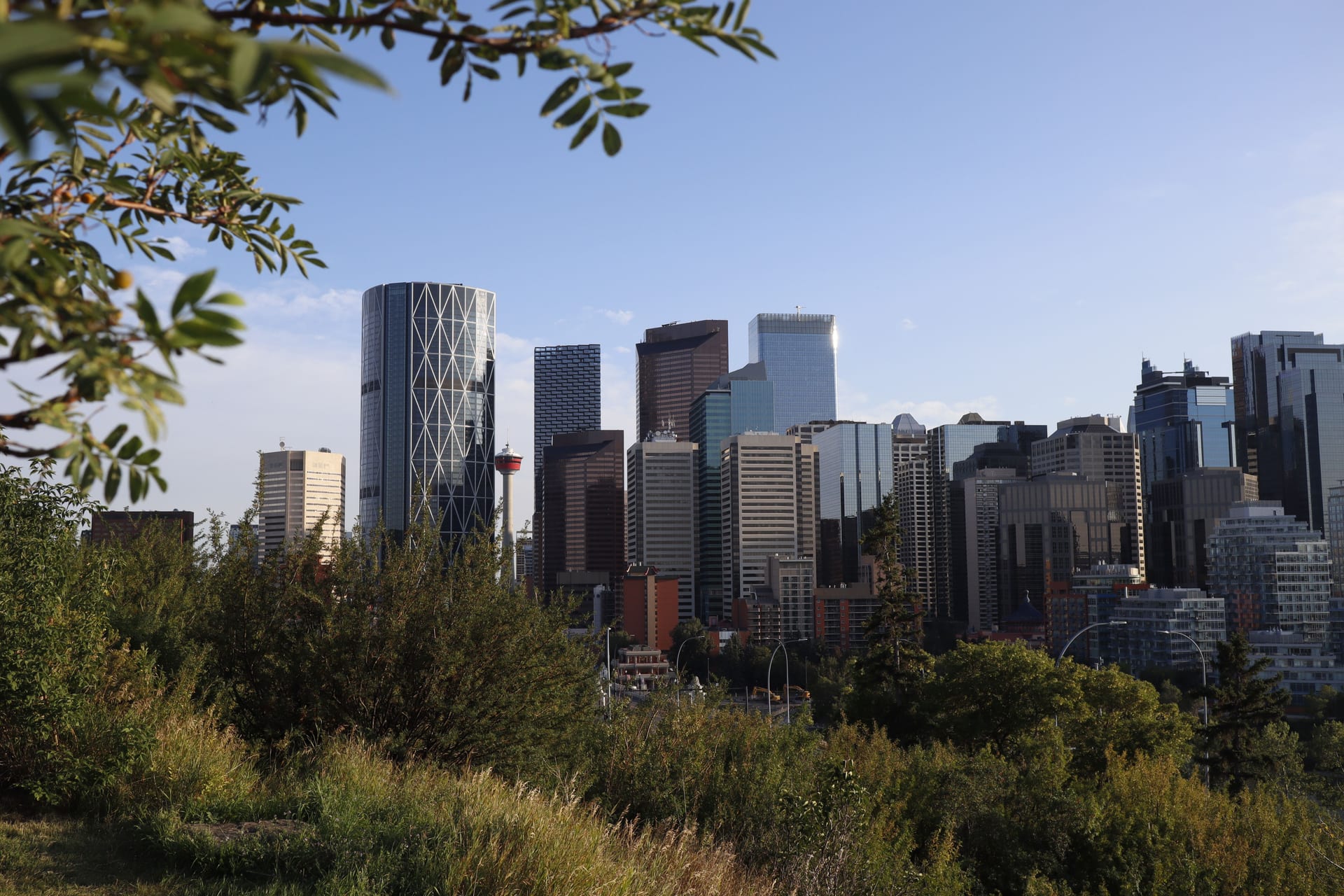
Calgary sprawls. Built around the car and the oil boom, it spreads wide and low, with a downtown of glass towers ringed by endless suburbs and limited walkable, mixed-use density outside a few inner neighbourhoods.
Walkable, livable neighbourhoods exist, though it leans more car-dependent than Montréal, and apartments run small. The pace is brisk, more so than most Canadian cities, without reaching New York intensity.
Calgary is a safe place to live by most measures, with a low homicide rate and roads notably safer than in comparable American cities. Recorded violent crime, which in Canada includes common assault and threats, is higher than Toronto's or Ottawa's, while theft sits in the middle of the six Canadian cities we cover.
Safety is one of Toronto's clearest strengths. Serious violent crime is rare, the streets feel calm day and night, and the wider stability of the country underpins all of it.
Calgary has a solid English-speaking job market, but its industry mix is narrower than its headline strength suggests. Care is publicly funded, so out-of-pocket costs stay low and navigating the system is straightforward, with services delivered in English.
Toronto has a strong English-speaking market with depth across industries, backed by solid professional and technology networks. Care comes through Canada's public system, so out-of-pocket costs stay low and everything runs in English.
Calgary's cultural and dining scene is decent but not a draw in itself, noticeably quieter than Montreal or Toronto, with a modest restaurant, nightlife, and arts offering for a city this prosperous. Calgary is an orderly, affluent city, clean and well-maintained by Canadian standards.
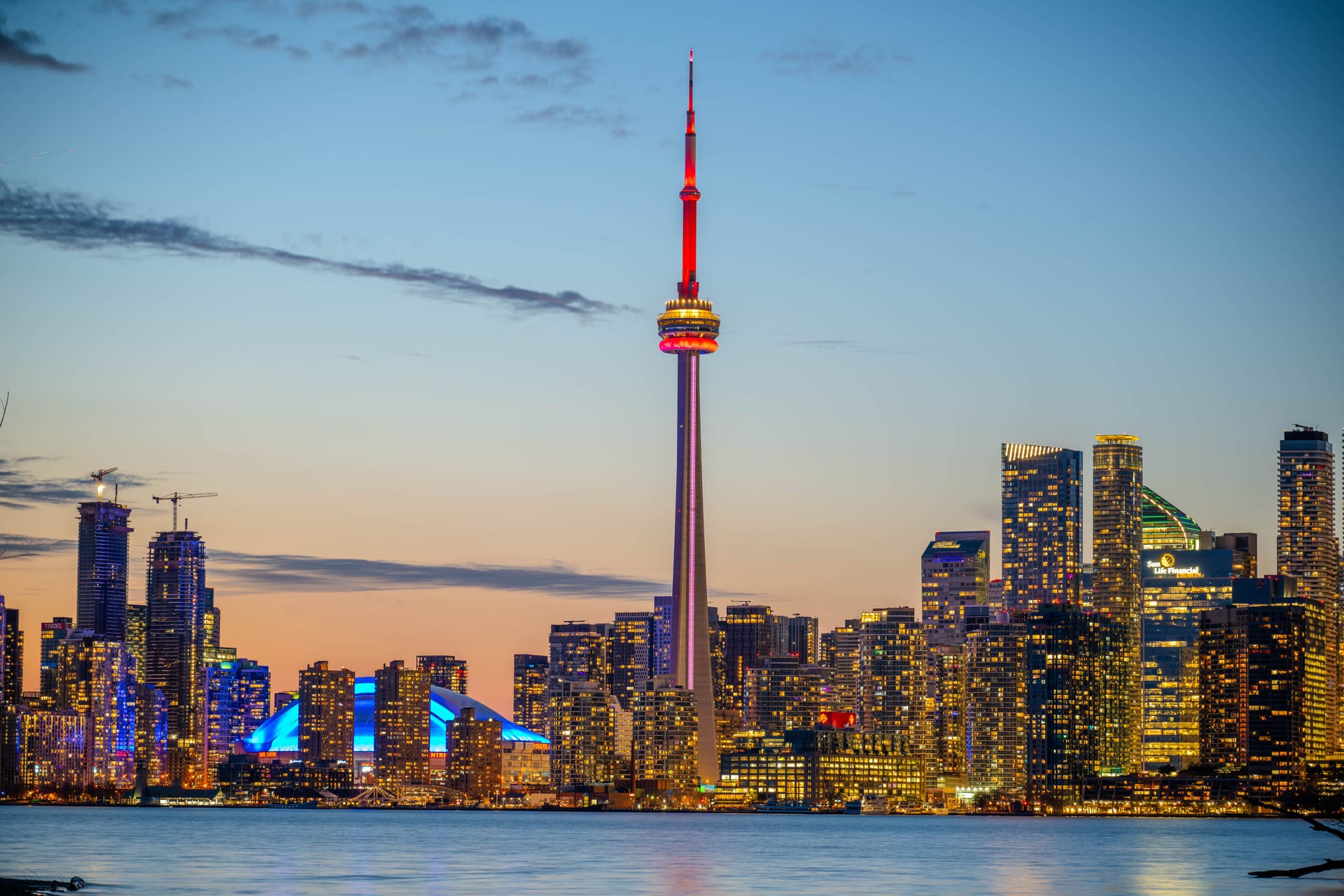
The food and culture scene reflects the city's makeup: one of the most internationally mixed populations anywhere, and the restaurants, festivals, and communities to show for it. Toronto is an affluent, fairly clean metro with a walkable, transit-served core, a reworked waterfront and proper civic squares to gather in.
Toronto suits someone who wants a wide range of cultural events and more career options across industries. Calgary is a better fit for an orderly, less culturally dense city routine.
These numbers treat everyone the same. The quiz weighs them by your budget, climate taste, family and work, and ranks all 283 cities for you.