 China
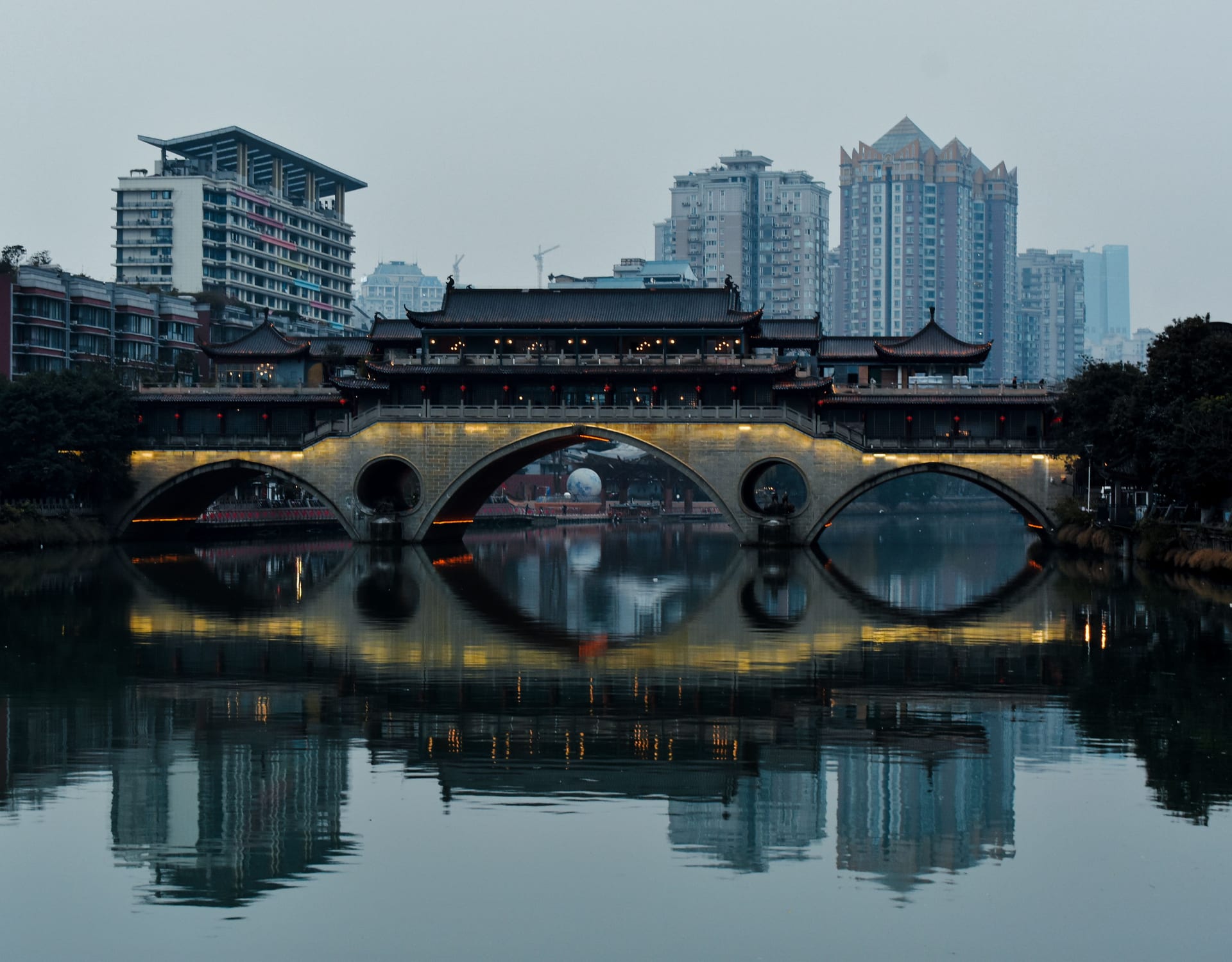
Chengdu makes sense if
- You want the deeper culture and food scene.
- You value stronger public spaces and everyday city life.
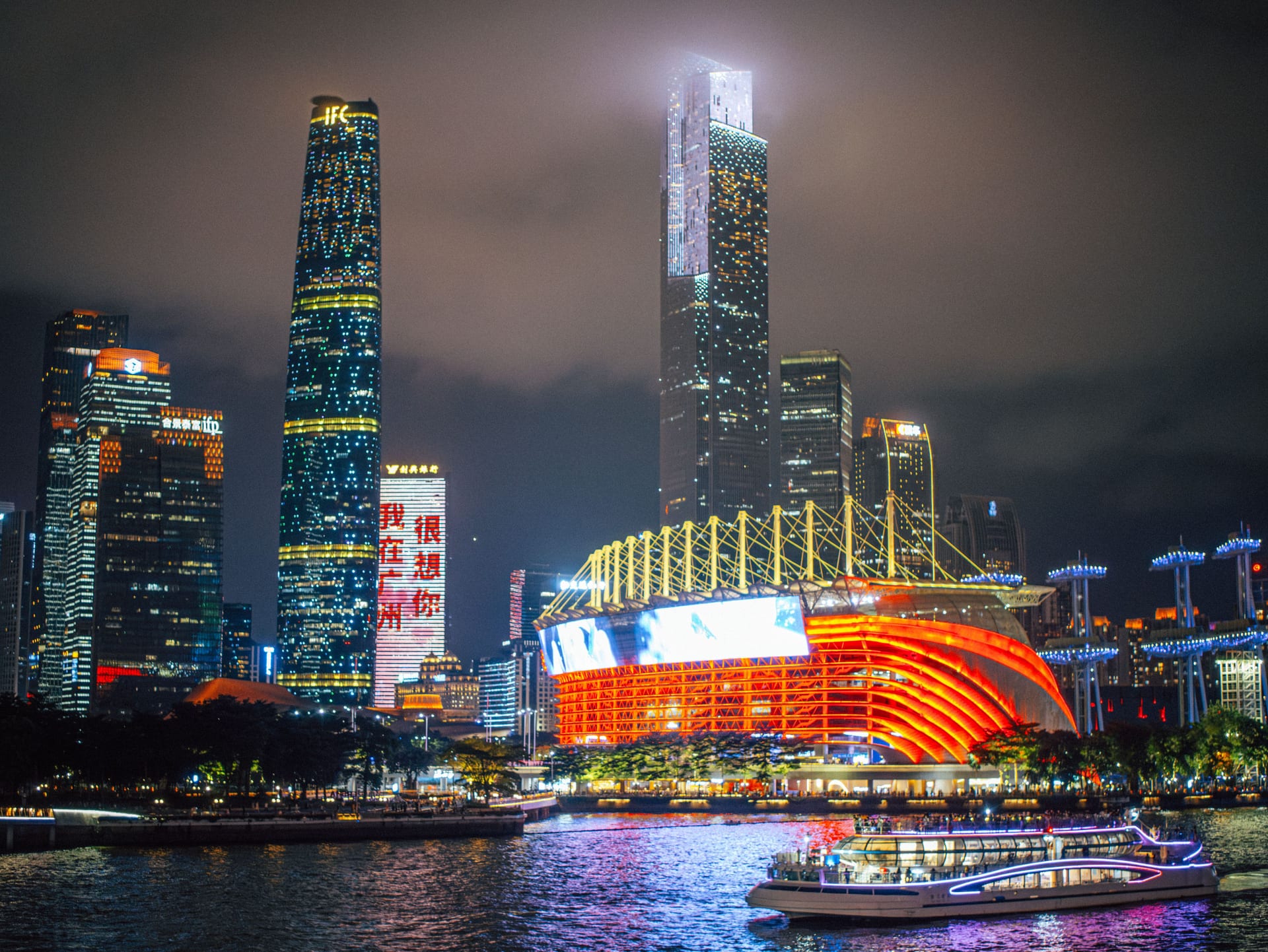
Chengdu's teahouses, Sichuan restaurants and relaxed public spaces give it an easygoing rhythm. Guangzhou is more trade- and manufacturing-oriented, with a broader local job market and a strong Cantonese dining tradition.
The grey shape is all 283 cities; each row says whether lower or higher is better. Ratings out of 10 are our reviewed estimates; the rest is published data. How we measure
Set how much each area counts. The ranking updates as you go. Climate and values are left out because there is no better or worse there, only your taste.
Leads on nature & outdoors and city life; stands out for mountains and fewer muggy days.
Leads on moving & settling in; stands out for beach & sea and winter comfort.
Scores out of 100, averaged from the areas you weighted. For a ranking built around your own situation, take the quiz.
Rent on a new lease, everyday prices and tax.
The year month by month. Whether it suits you is yours to judge.
Solid line: average daytime high. Dashed: night-time low. Point at the chart for any month; point at a city name to shade its range.
How easily you get to water, mountains and green space.
Getting around on foot, food, culture and the feel of the streets.
Crime, how safe people feel, and the care you would get.
Jobs, working culture, schools and raising kids.
Visas, language, paperwork and staying connected.
Where each city sits. There is no right end of these scales.
Chengdu is a large urban area with strong mixed-use, walkable central districts. The outer city is more car-dependent, while homes remain compact and the overall pace is relatively measured.
Guangzhou's central districts mix homes and work with strong walkability and low car dependence. Space at home is the trade-off, and the city's scale keeps the pace high.
Among the safest places a newcomer could land. Violent crime is essentially a non-issue, streets feel secure late at night, and petty theft stays low by big-city norms.
Violent crime is rare, streets feel secure after dark, and most residents move around at night without much thought, on par with Shanghai. Pickpocketing exists in crowded spots but stays minor.
Chengdu has a strong regional market with real depth in technology and startups. Solid mid-tier care for a city this size, with reliable hospitals and dependable emergency response.
Guangzhou has a substantial local market in trade, manufacturing, and technology, with solid professional and startup depth. Solid public hospitals and reasonable access, in line with Shanghai, though doctor availability per resident is stretched and waits in the public system can be long.
Food is the headline, and it earns it: Sichuan cooking at its source, endless restaurants, teahouses, and a café and nightlife scene that holds its own against any non-coastal Chinese city. Chengdu is leafy and slowly improving, though dense pockets show uneven upkeep.
Cantonese cuisine is the headline, and it is world-class: dim sum, fresh seafood, and a deep restaurant culture that rivals Shanghai. Guangzhou is a dense, humid southern metropolis where upkeep varies block to block.
Guangzhou is the better base if you can access local industry and want more career options. Chengdu suits people who value teahouses, regional food and a more leisurely public life.
These numbers treat everyone the same. The quiz weighs them by your budget, climate taste, family and work, and ranks all 283 cities for you.