 Germany
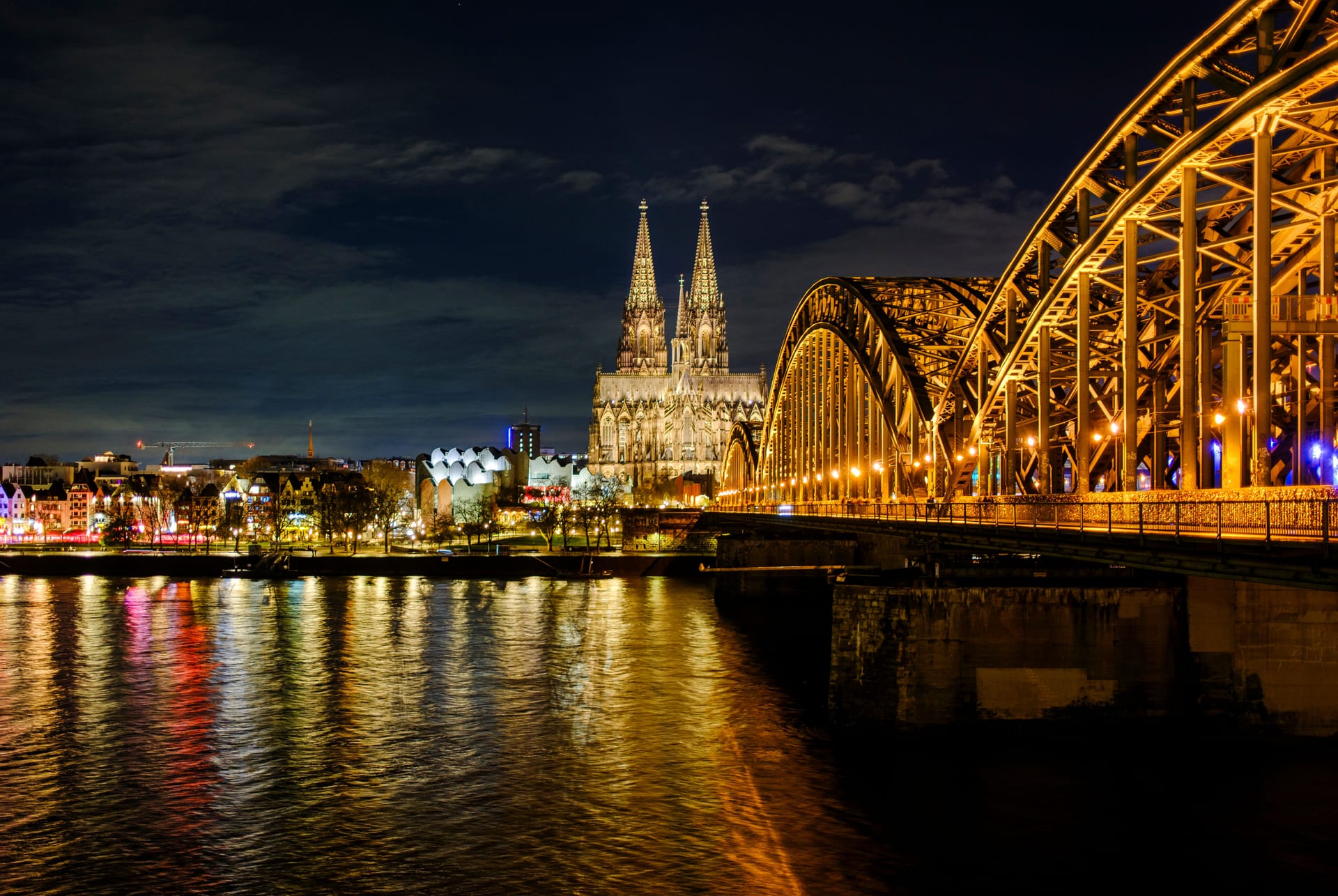
Cologne makes sense if
- You want the easier housing and budget equation in this comparison.
- You want the deeper culture and food scene.
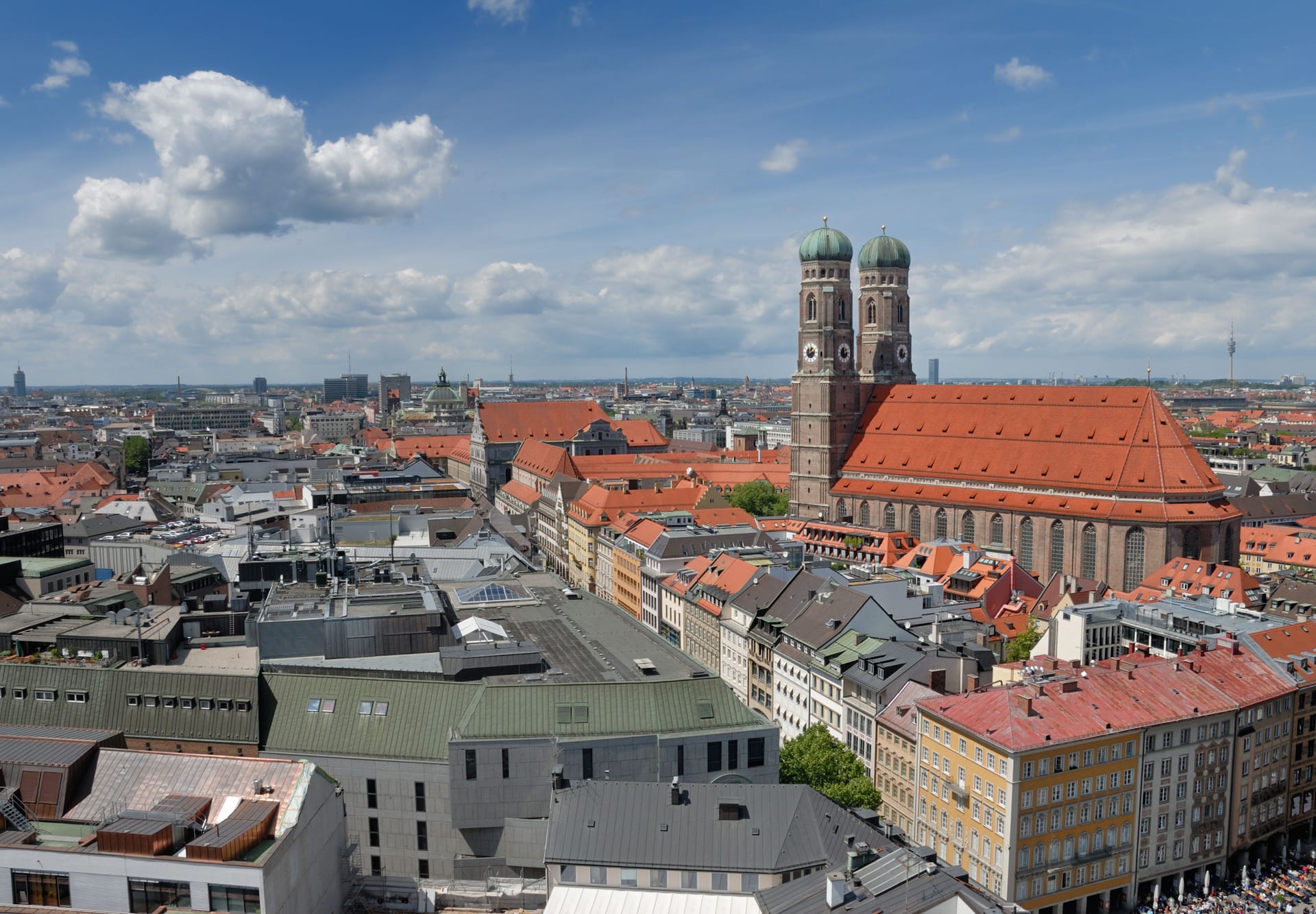
Cologne's Carnival, music venues and Kölsch bars make its culture feel local and participatory. Munich is more polished, with beer gardens, the Isar riverbanks and a stronger employment market across established industries.
The grey shape is all 283 cities; each row says whether lower or higher is better. Ratings out of 10 are our reviewed estimates; the rest is published data. How we measure
Set how much each area counts. The ranking updates as you go. Climate and values are left out because there is no better or worse there, only your taste.
Leads on nature & outdoors, city life, safety & health and work & family; stands out for mountains and hiking.
Leads on money; stands out for openness to newcomers and easier house-hunting.
Scores out of 100, averaged from the areas you weighted. For a ranking built around your own situation, take the quiz.
Rent on a new lease, everyday prices and tax.
The year month by month. Whether it suits you is yours to judge.
Solid line: average daytime high. Dashed: night-time low. Point at the chart for any month; point at a city name to shade its range.
How easily you get to water, mountains and green space.
Getting around on foot, food, culture and the feel of the streets.
Crime, how safe people feel, and the care you would get.
Jobs, working culture, schools and raising kids.
Visas, language, paperwork and staying connected.
Where each city sits. There is no right end of these scales.
A walkable, human-scale city where most errands can be done on foot or by tram, and neighbourhoods blend housing, shops and cafes rather than zoning them apart. The pace is relaxed by big-city standards, livelier than Munich but calmer than Berlin.
Public space is well kept and the feel is more measured than frenetic, calmer than Berlin's restless sprawl. The main constraint is space at home: apartments tend to run small and tight for the price, so square metres are the trade-off for living centrally.
Safe by any reasonable measure, with very low serious-crime levels and notably good road safety. Pickpocketing and the usual big-city petty theft exist, especially around the station and during Carnival crowds, and the felt sense of safety after dark is solid without matching cautious, orderly Munich.
Among the safest major cities in Europe. Violent crime is rare, petty crime is low by big-city standards, and walking home late feels unremarkable rather than risky.
Cologne offers a broad local job market with deep professional networks and low unemployment. Care is high quality and well resourced, with strong hospitals and dependable emergency services typical of a major German city.
For work, Munich offers an unusually strong local market, broad industry coverage, and low unemployment. Care here is excellent, with top-tier hospitals and strong overall quality backed by Germany's well-funded insurance system, so out-of-pocket costs stay low.
Cologne punches above its size culturally, with strong museums, a real music and art scene, and nightlife that beats Munich's even if Berlin owns the late-night crown. Cologne keeps itself in functional German order, with a little Rhineland grit but nothing that wears you down.
A well-rounded cultural city with serious museums, strong restaurants, plenty of cafes, and a deep-rooted local tradition that runs from beer halls to opera. Munich is wealthy and immaculately kept, Bavarian order showing in spotless streets.
Munich suits someone seeking a deeper job market, generous public spaces and a higher level of upkeep. Cologne is the choice for Carnival, live music and a more spontaneous nightlife.
These numbers treat everyone the same. The quiz weighs them by your budget, climate taste, family and work, and ranks all 283 cities for you.