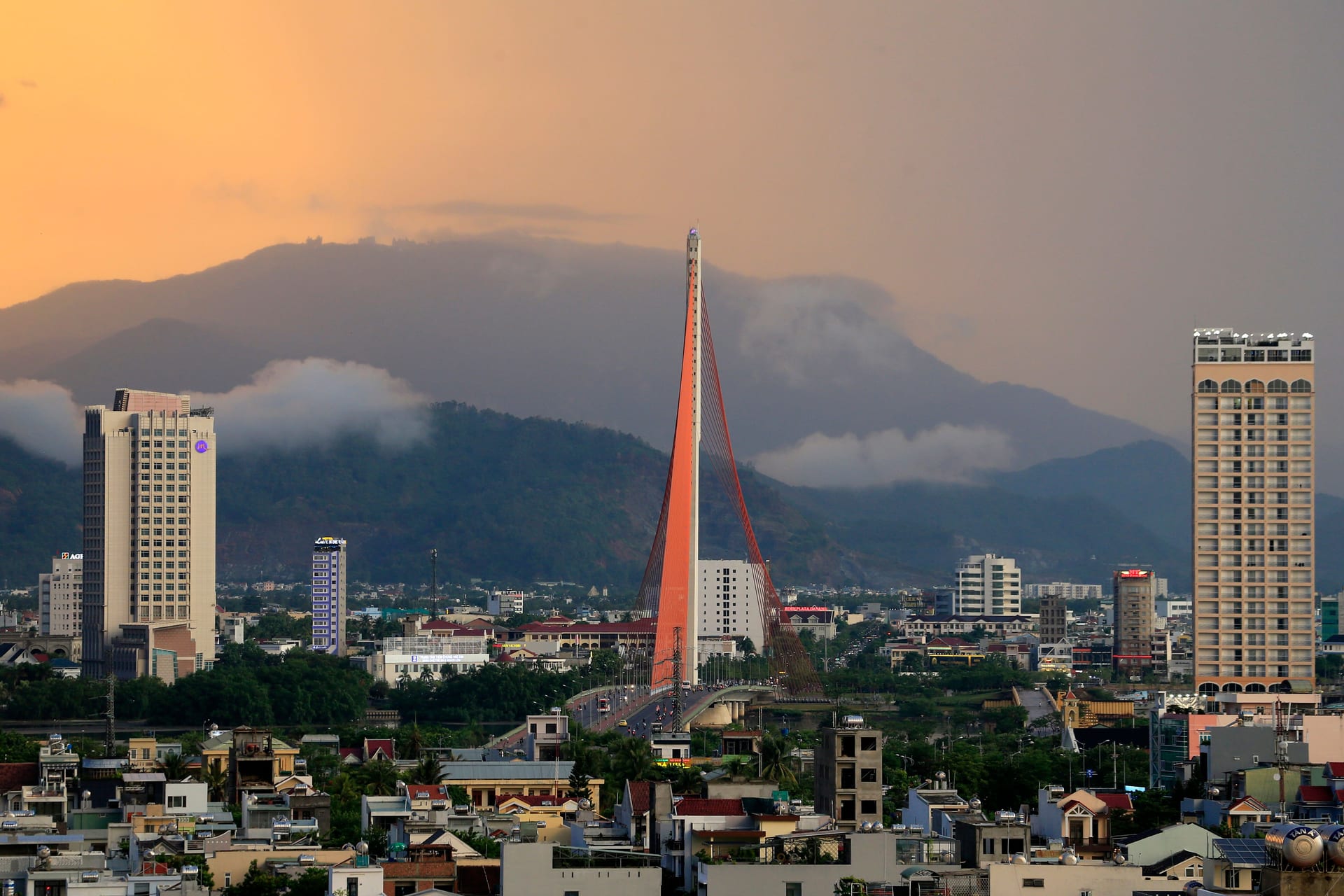
 Vietnam
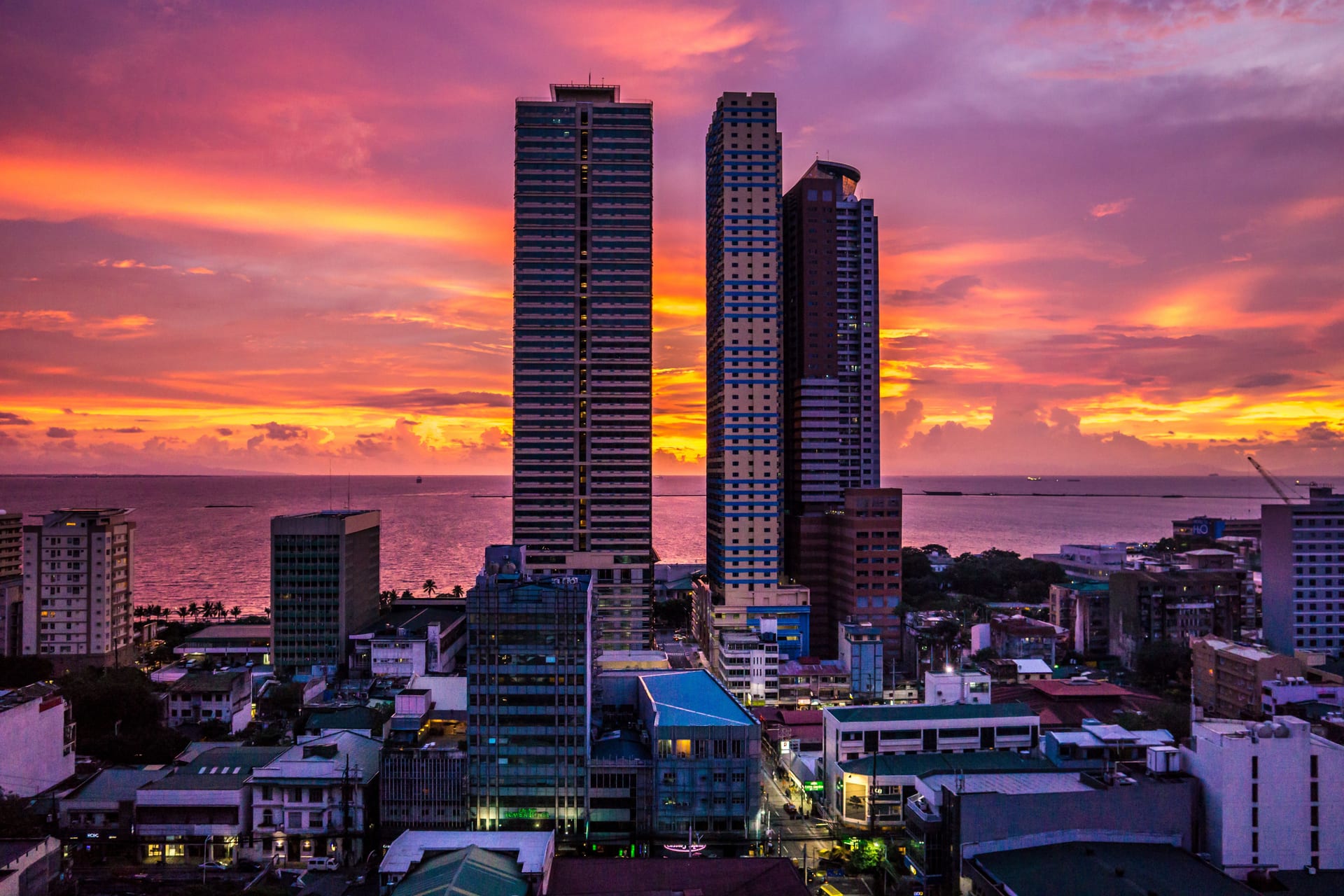
 Philippines
Da Nang makes sense if
- You want the easier housing and budget equation in this comparison.
- A calmer day-to-day safety profile matters most to you.
- You value stronger public spaces and everyday city life.
Da Nang is a calmer coastal city, with a clean promenade and beach life close to home. Manila is much larger and more intense, with traffic, poor public upkeep and a more mixed safety picture shaping daily movement.
The grey shape is all 283 cities; each row says whether lower or higher is better. Ratings out of 10 are our reviewed estimates; the rest is published data. How we measure
Set how much each area counts. The ranking updates as you go. Climate and values are left out because there is no better or worse there, only your taste.
Leads on nature & outdoors, city life, safety & health and work & family; stands out for public spaces and beach & sea.
Narrowly best on moving & settling in: 50 vs Da Nang's 47; stands out for a smaller language barrier and safer roads.
Scores out of 100, averaged from the areas you weighted. For a ranking built around your own situation, take the quiz.
Rent on a new lease, everyday prices and tax.
The year month by month. Whether it suits you is yours to judge.
Solid line: average daytime high. Dashed: night-time low. Point at the chart for any month; point at a city name to shade its range.
How easily you get to water, mountains and green space.
Getting around on foot, food, culture and the feel of the streets.
Crime, how safe people feel, and the care you would get.
Jobs, working culture, schools and raising kids.
Visas, language, paperwork and staying connected.
Where each city sits. There is no right end of these scales.
A compact, low-rise city that feels relaxed next to the sprawl of Ho Chi Minh City. The pace is gentle and neighbourhoods are pleasant, but getting around means a motorbike or car.
Walkability is poor, homes run small, and getting around usually means a car or a ride-hail. Mixed-use districts give parts of the metro a self-contained feel, but the fabric is uneven.
Violent and serious crime are very rare, and people generally feel safe walking around, including after dark. Petty theft exists but stays low by big-city standards.
The picture is mixed and worth reading carefully. Recorded homicide is lower than in many Latin American peers, but day-to-day perceived safety and walking around at night both rate poorly, and petty crime is a live concern.
Da Nang has low unemployment, but local career options are narrow, especially for English-language work and network-building. The weakest part of living here.
English-language work is a genuine strength in Manila, and unemployment is low. Top private hospitals in the metro are decent and, crucially, staffed by English-speaking doctors, which removes a major barrier for newcomers.
Vietnamese food culture is the strength here, with excellent local restaurants and an outstanding cafe scene that rivals anywhere in the country. Da Nang is newer and more orderly than its Vietnamese peers, its long beachfront and the Han riverside promenade kept genuinely clean.
A lively scene that leans casual: strong cafe and nightlife culture, solid local cooking, and a distinct Filipino identity shaped by Spanish, American, and Asian threads. Usable public space is scarce, car-choked and largely substituted by the mall.
Da Nang is the stronger choice for public space and a safer-feeling routine, though traffic remains hazardous. Manila offers English-language work and a bigger capital setting, but asks more patience with infrastructure.
These numbers treat everyone the same. The quiz weighs them by your budget, climate taste, family and work, and ranks all 283 cities for you.