 United States
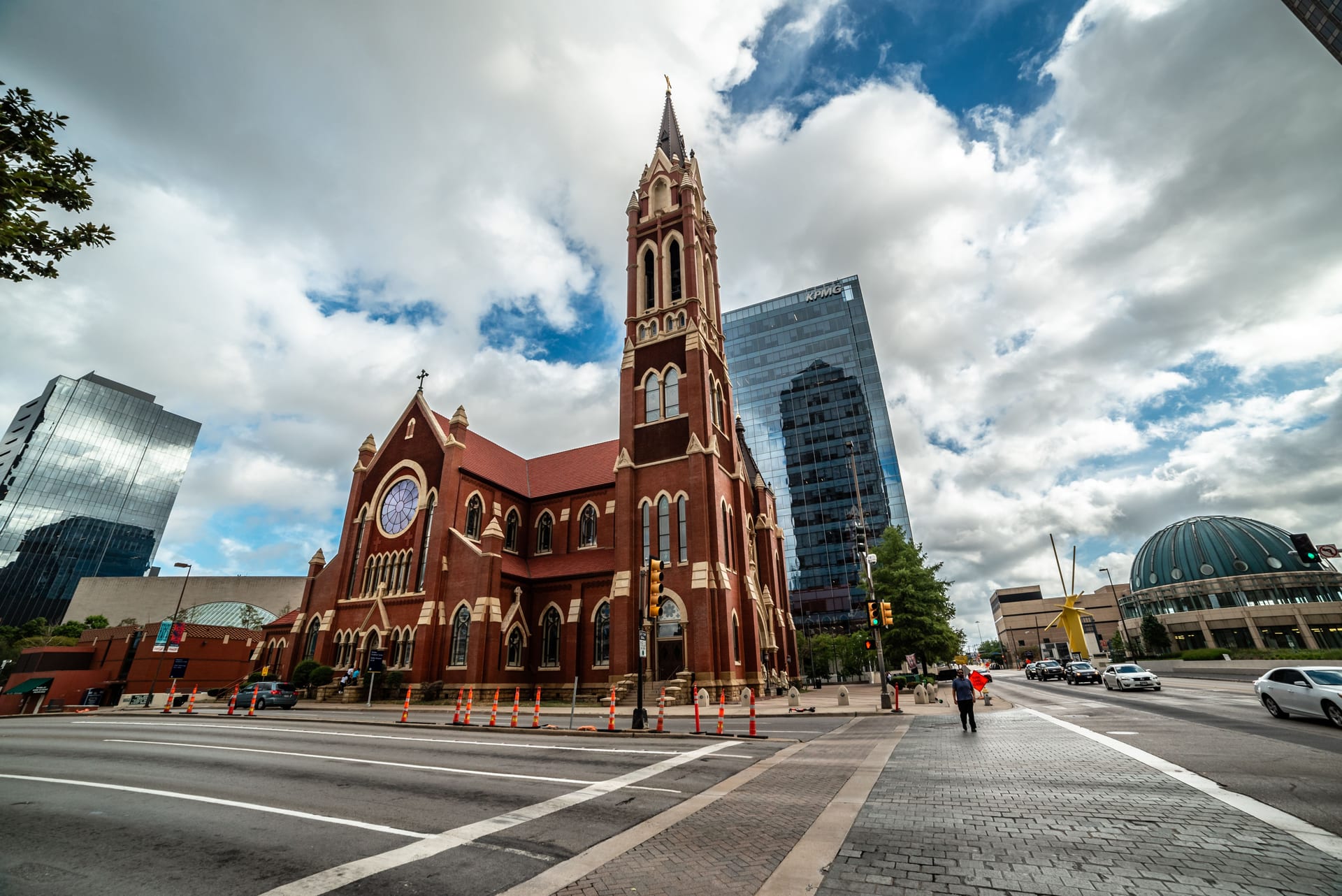
Dallas makes sense if
- You want the easier housing and budget equation in this comparison.
- You want the broader career options in this comparison.
- You want the deeper culture and food scene.
Dallas is a sprawling business metro where daily errands usually involve highways and air conditioning. Denver also spreads out, but outdoor life is easier to reach, with trails and mountain access shaping how residents spend their free time.
The grey shape is all 283 cities; each row says whether lower or higher is better. Ratings out of 10 are our reviewed estimates; the rest is published data. How we measure
Set how much each area counts. The ranking updates as you go. Climate and values are left out because there is no better or worse there, only your taste.
Leads on nature & outdoors, city life and work & family; stands out for mountains and hiking.
Narrowly best on money: 66 vs Denver's 63; stands out for winter comfort and brighter winters.
Scores out of 100, averaged from the areas you weighted. For a ranking built around your own situation, take the quiz.
Rent on a new lease, everyday prices and tax.
The year month by month. Whether it suits you is yours to judge.
Solid line: average daytime high. Dashed: night-time low. Point at the chart for any month; point at a city name to shade its range.
How easily you get to water, mountains and green space.
Getting around on foot, food, culture and the feel of the streets.
Crime, how safe people feel, and the care you would get.
Jobs, working culture, schools and raising kids.
Visas, language, paperwork and staying connected.
Where each city sits. There is no right end of these scales.
Most districts are spread out and mixed-use streets are limited, but homes and suburbs offer more room and are generally comfortable. The trade-off is simple: daily errands usually require a car.
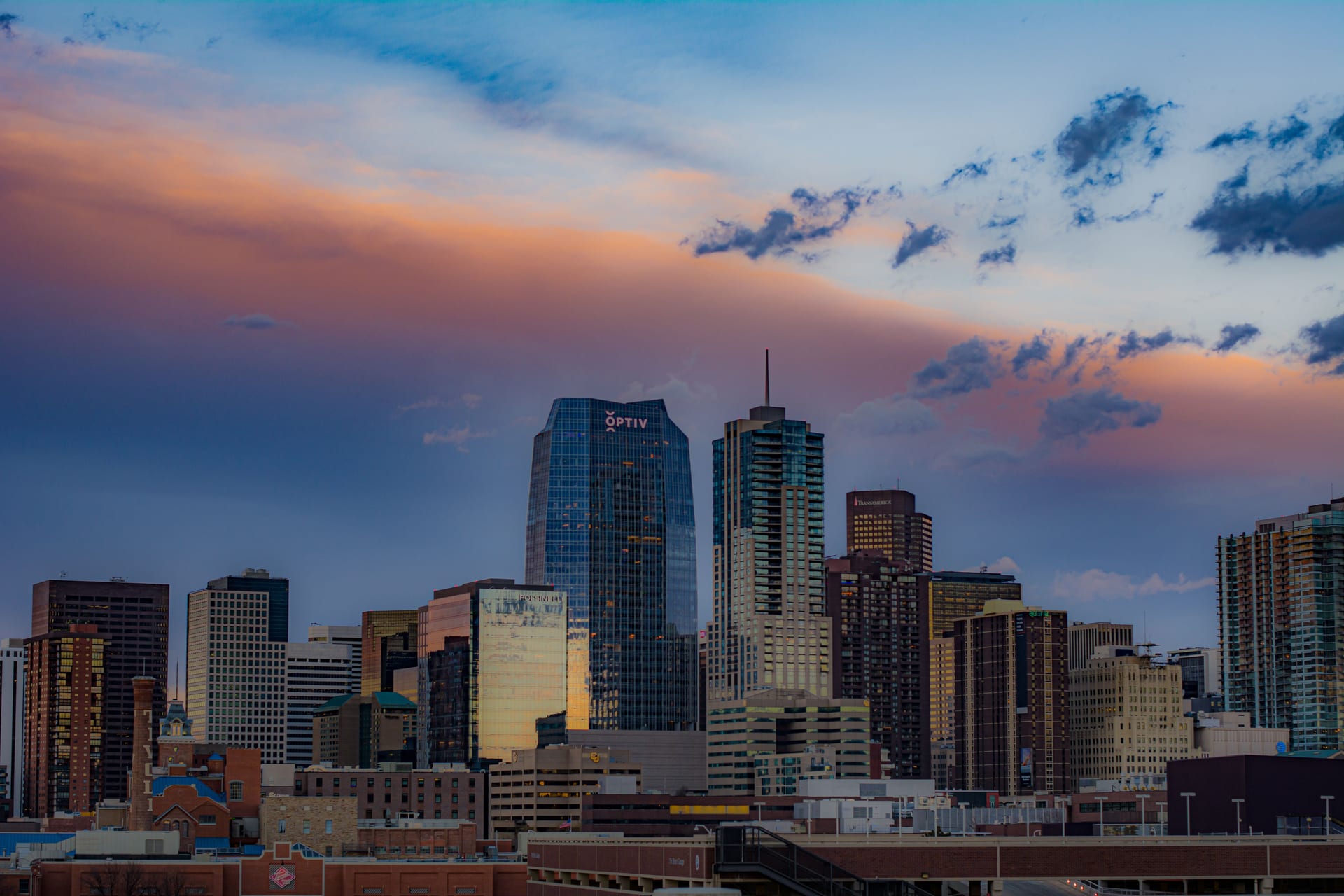
Denver is a low-slung, spread-out Western city rather than a dense vertical one. Neighbourhoods and suburbs are pleasant and homes have room to breathe, but daily life assumes a car, walkable districts are limited, and the overall pace runs relaxed rather than frenetic.
Safety is a mixed read. Serious violent crime sits at the lower, safer end relative to the wider data, but petty crime, perceived safety, and how comfortable the streets feel after dark land closer to the middle.
Night-time confidence is middling, and traffic safety is weaker than the city's clean-air reputation might suggest. It reads as manageable with ordinary big-city precautions, not carefree.
A deep, broad job market makes Dallas one of the stronger career bases in this group, with low unemployment and a dense professional network. The medical infrastructure is strong, with well-regarded hospitals, reliable emergency care, and no language barrier to speak of for English speakers.
Denver has a healthy, diversified job market with low unemployment and strong English-language access. Clinical quality is strong and emergency care is reliable, with English-speaking providers a given.
Dallas has a fuller cultural and dining scene than outsiders expect, with a strong restaurant landscape, solid museums and music, and a nightlife that holds its own. Dallas sprawls across a vast metro, and upkeep is uneven for it.
Denver's food and culture scene is good and steadily improving, with a respectable spread of restaurants, cafes, craft beer, and live music. Denver is affluent and fairly clean, though parts of downtown have slid.
Denver suits someone who wants the outdoors to be part of ordinary life, with a somewhat stronger public realm and safety profile. Dallas offers a broader business market and a more affordable, car-based routine.
These numbers treat everyone the same. The quiz weighs them by your budget, climate taste, family and work, and ranks all 283 cities for you.