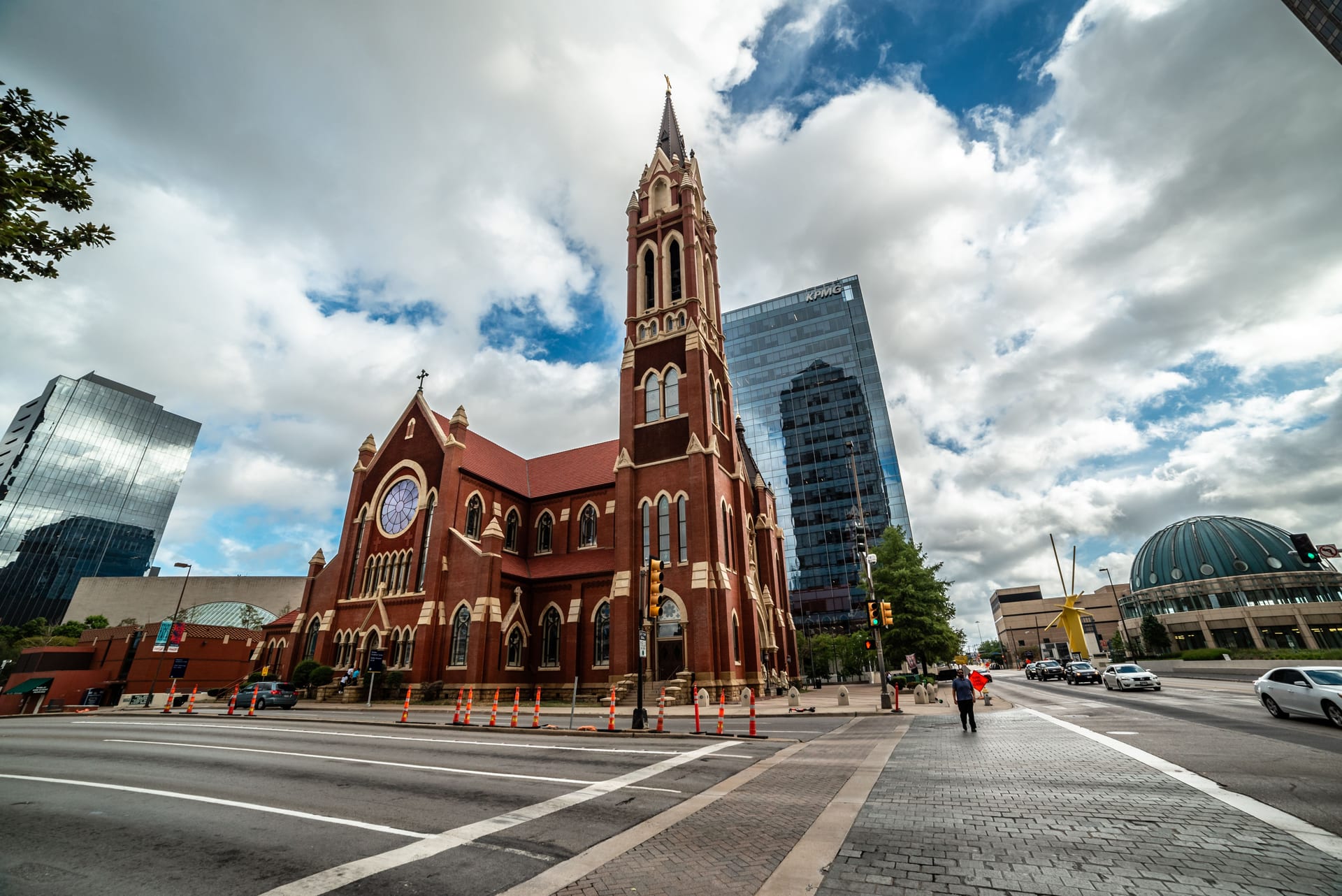
 United States
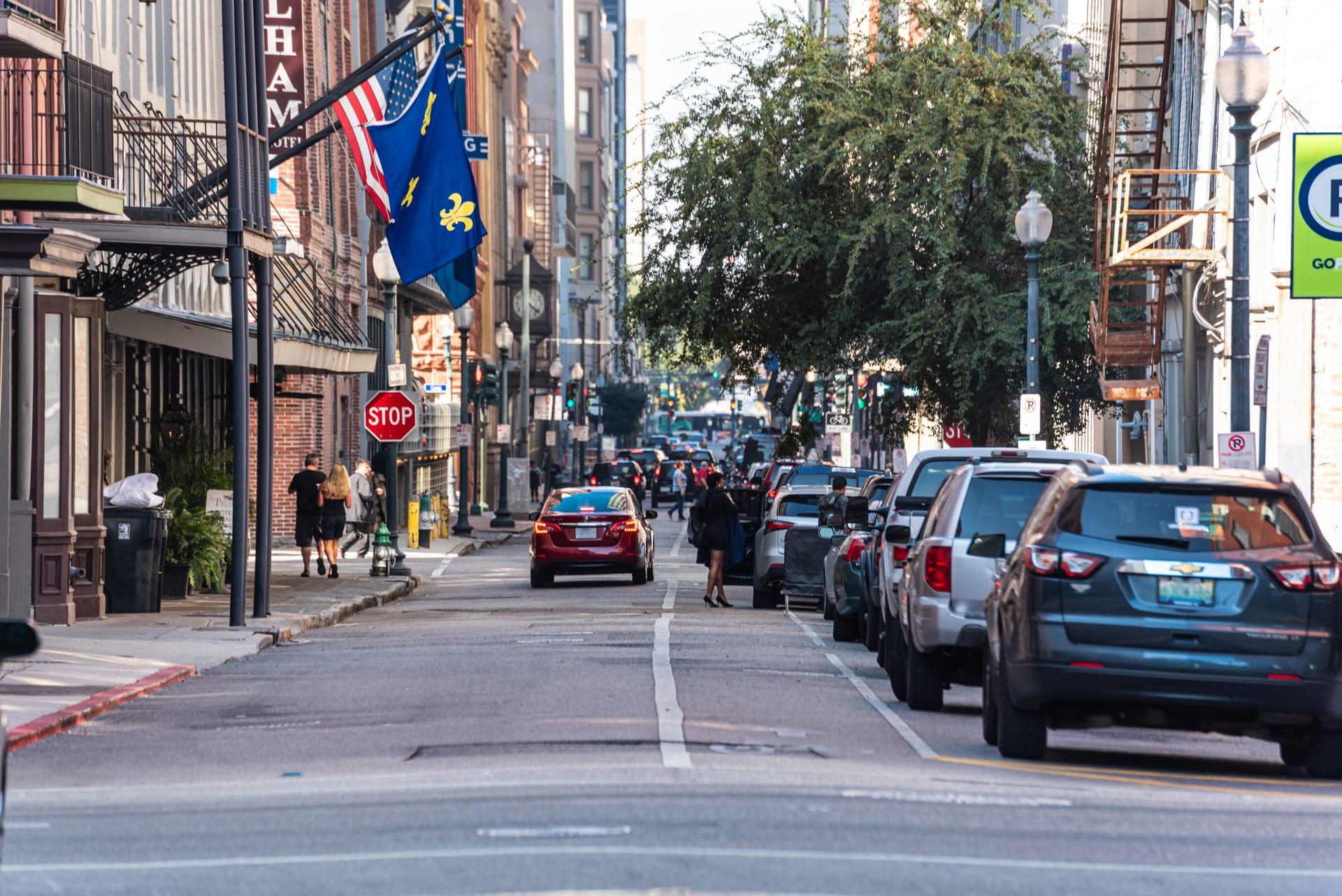
Dallas makes sense if
- A calmer day-to-day safety profile matters most to you.
- Access to stronger healthcare matters most to you.
- You want the broader career options in this comparison.
Dallas's business districts and highways reflect a sprawling city with a deep, diversified job market. New Orleans has a very different draw: food, live music and historic neighbourhoods give everyday life a stronger cultural identity, but local career options are much narrower.
The grey shape is all 283 cities; each row says whether lower or higher is better. Ratings out of 10 are our reviewed estimates; the rest is published data. How we measure
Set how much each area counts. The ranking updates as you go. Climate and values are left out because there is no better or worse there, only your taste.
Leads on safety & health, work & family and moving & settling in; stands out for job market and flight connections.
Leads on nature & outdoors; stands out for walkability and local culture.
Scores out of 100, averaged from the areas you weighted. For a ranking built around your own situation, take the quiz.
Rent on a new lease, everyday prices and tax.
The year month by month. Whether it suits you is yours to judge.
Solid line: average daytime high. Dashed: night-time low. Point at the chart for any month; point at a city name to shade its range.
How easily you get to water, mountains and green space.
Getting around on foot, food, culture and the feel of the streets.
Crime, how safe people feel, and the care you would get.
Jobs, working culture, schools and raising kids.
Visas, language, paperwork and staying connected.
Where each city sits. There is no right end of these scales.
Most districts are spread out and mixed-use streets are limited, but homes and suburbs offer more room and are generally comfortable. The trade-off is simple: daily errands usually require a car.
Daily life leans heavily on the car, walkability is patchy outside a few dense historic districts, and density overall is low. Homes tend to come with a bit more room than in the priciest coastal cities.
Safety is a mixed read. Serious violent crime sits at the lower, safer end relative to the wider data, but petty crime, perceived safety, and how comfortable the streets feel after dark land closer to the middle.
Violent crime is high, the homicide problem is persistent, and how safe the streets feel, especially after dark, ranks poorly against most US peers. Where someone lives within the city matters a great deal here, and the gap between neighbourhoods is wide.
A deep, broad job market makes Dallas one of the stronger career bases in this group, with low unemployment and a dense professional network. The medical infrastructure is strong, with well-regarded hospitals, reliable emergency care, and no language barrier to speak of for English speakers.
As an English-speaking city, New Orleans has low unemployment, but the local market is narrow. Care is delivered entirely in English and the major hospitals are competent, but depth and access are middling rather than strong.
Dallas has a fuller cultural and dining scene than outsiders expect, with a strong restaurant landscape, solid museums and music, and a nightlife that holds its own. Dallas sprawls across a vast metro, and upkeep is uneven for it.
The reason many people come, and it lives up to it. What redeems it is the French Quarter's walkable streets, the riverfront and squares like Jackson, and a life lived outdoors.
Dallas is the practical choice for career opportunities and a more reassuring safety profile. New Orleans suits someone drawn to its food and music culture, prepared to navigate more serious safety concerns.
These numbers treat everyone the same. The quiz weighs them by your budget, climate taste, family and work, and ranks all 283 cities for you.