 India
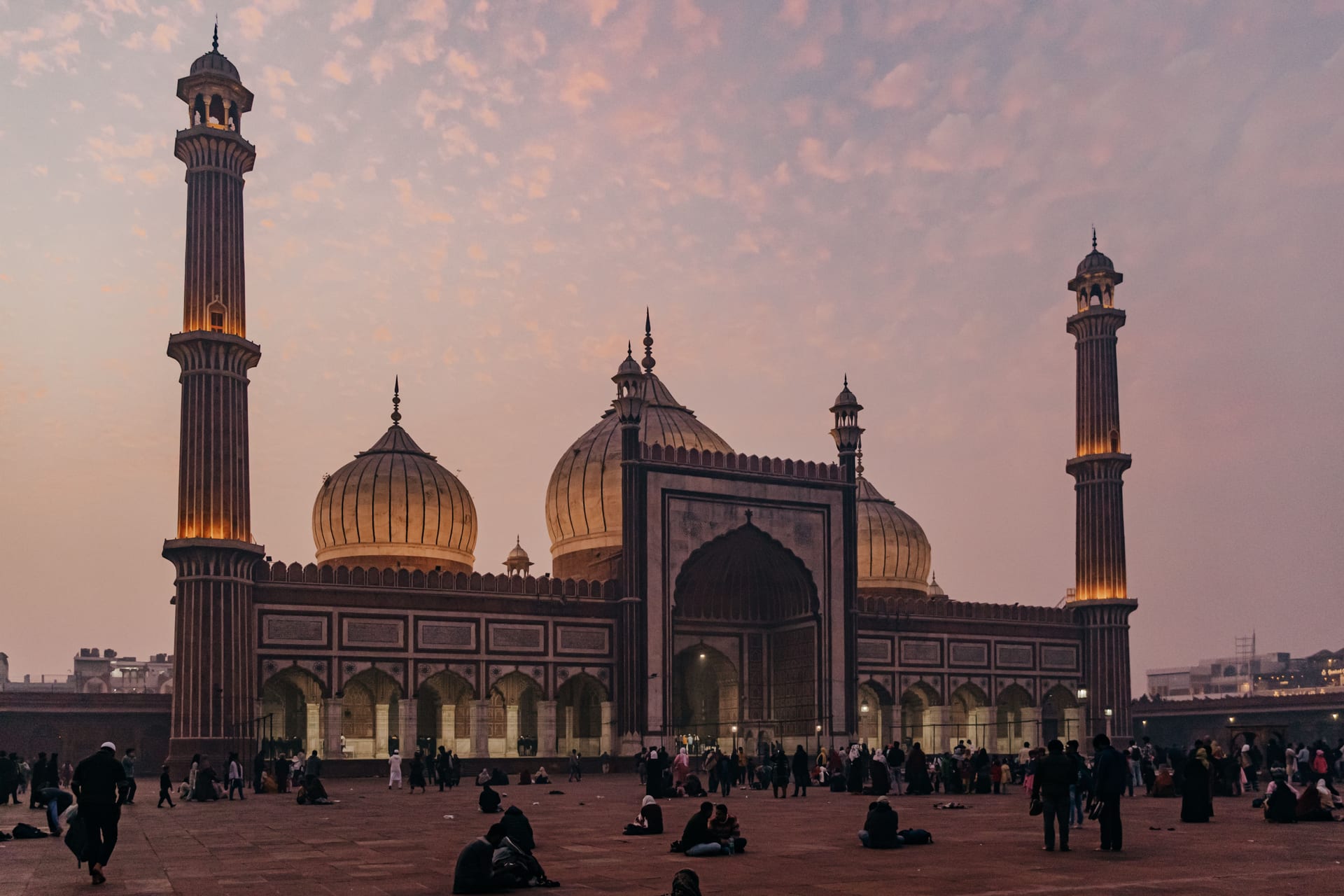
Delhi makes sense if
- You want the easier housing and budget equation in this comparison.
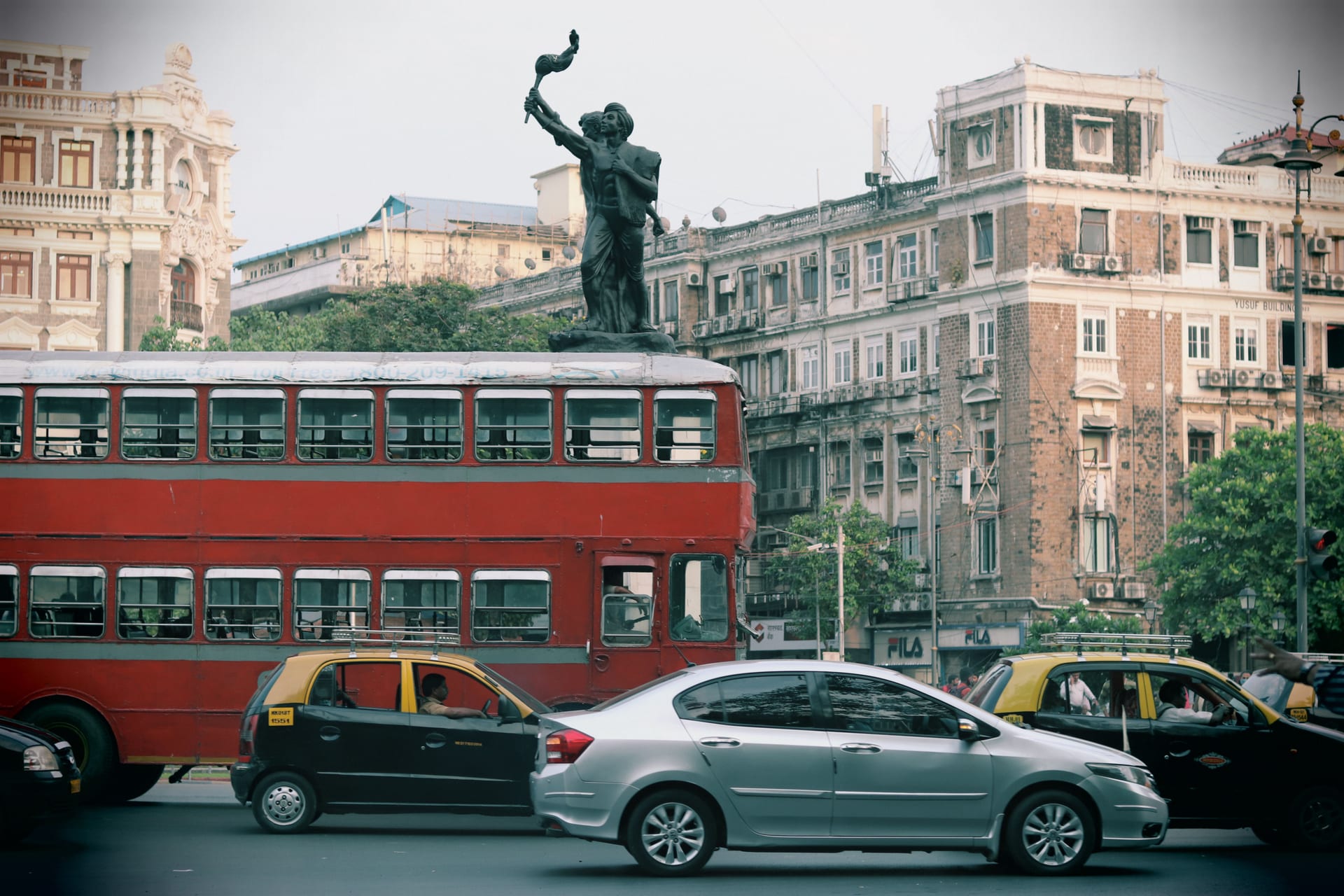
Delhi's street food, museums and historic sites offer enormous cultural range, with housing pressure lower than in Mumbai. Mumbai has a safer-feeling street profile and a dense coastal metropolis, though navigating its traffic and housing costs remains part of daily life.
The grey shape is all 283 cities; each row says whether lower or higher is better. Ratings out of 10 are our reviewed estimates; the rest is published data. How we measure
Set how much each area counts. The ranking updates as you go. Climate and values are left out because there is no better or worse there, only your taste.
Leads on nature & outdoors and safety & health; stands out for beach & sea and forests.
Leads on money; stands out for rent that fits local pay and fewer muggy days.
Scores out of 100, averaged from the areas you weighted. For a ranking built around your own situation, take the quiz.
Rent on a new lease, everyday prices and tax.
The year month by month. Whether it suits you is yours to judge.
Solid line: average daytime high. Dashed: night-time low. Point at the chart for any month; point at a city name to shade its range.
How easily you get to water, mountains and green space.
Getting around on foot, food, culture and the feel of the streets.
Crime, how safe people feel, and the care you would get.
Jobs, working culture, schools and raising kids.
Visas, language, paperwork and staying connected.
Where each city sits. There is no right end of these scales.
An enormous, sprawling metro that moves at a relentless pace, faster than Bengaluru, Bangkok or Manila. The density is high and the energy constant.
The tempo is relentless, faster than Bengaluru or Bangkok, and the mixed-use streets keep life within arm's reach. The trade-off is space: flats are cramped, walkability is poor, and the suburbs offer little relief.
Serious violent crime is comparatively low and the homicide rate sits below Manila and Bangkok. Traffic is hazardous and the broader political climate registers as less stable than the regional norm.
Violent crime is low and the homicide rate is among the best in the dataset, on par with major European capitals, which surprises many newcomers. Streets feel reasonably safe by day and after dark by regional standards.
A substantial local market gives Delhi plenty of English-language roles, a strong professional network and a lively startup and technology base. Healthcare access is a relative strength.
Mumbai has a strong career case, with a deep local market, broad industry fit and a dense professional network, while English-language work is widely available. Private hospitals are good and the standard of care in the top tier is solid, with English spoken widely in clinics, which eases things for newcomers.
The food scene is among the best measured, from street stalls to fine dining, and vegetarian and vegan eating is genuinely world-class. Life is very cheap and densely social, with free monuments, festivals and street culture filling every evening.
The food alone justifies the move. Public space is acutely scarce, just Marine Drive and a handful of maidans amid the crush.
Mumbai is the stronger fit if safety matters most and you want an English-speaking business centre. Delhi offers a fuller history and food scene with less housing pressure.
These numbers treat everyone the same. The quiz weighs them by your budget, climate taste, family and work, and ranks all 283 cities for you.