Affordability
81/100Delhi's open-market one-bedroom rent on a new lease is about $155 per month. That is roughly 53% of one typical employee's mean net pay, a rent burden labelled sharing likely.
Climate
mediterraneanDelhi has a real winter, with comparatively cool January weather and a bright, relatively dry sky for much of the year. Summer is the price: extreme heat is followed by a long muggy season, while particulate pollution is exceptionally severe. The climate offers plenty of light, but air quality can decide whether it is usable.
Nature access
leafyNature is thin. There is no coast, few lakes or rivers, and green space per resident runs low for a city this size. Delhi does hold a handful of large parks and decent tree cover in older districts, and the Himalayan foothills sit within weekend reach for those willing to travel. For daily access to the outdoors, though, this is not the place.
Urban form
megacityAn enormous, sprawling metro that moves at a relentless pace, faster than Bengaluru, Bangkok or Manila. The density is high and the energy constant. Walkability is poor and most lives lean on cars or the metro rather than the pavement. Neighbourhoods vary widely, from leafy planned colonies to chaotic, congested districts.
Public life & spaces
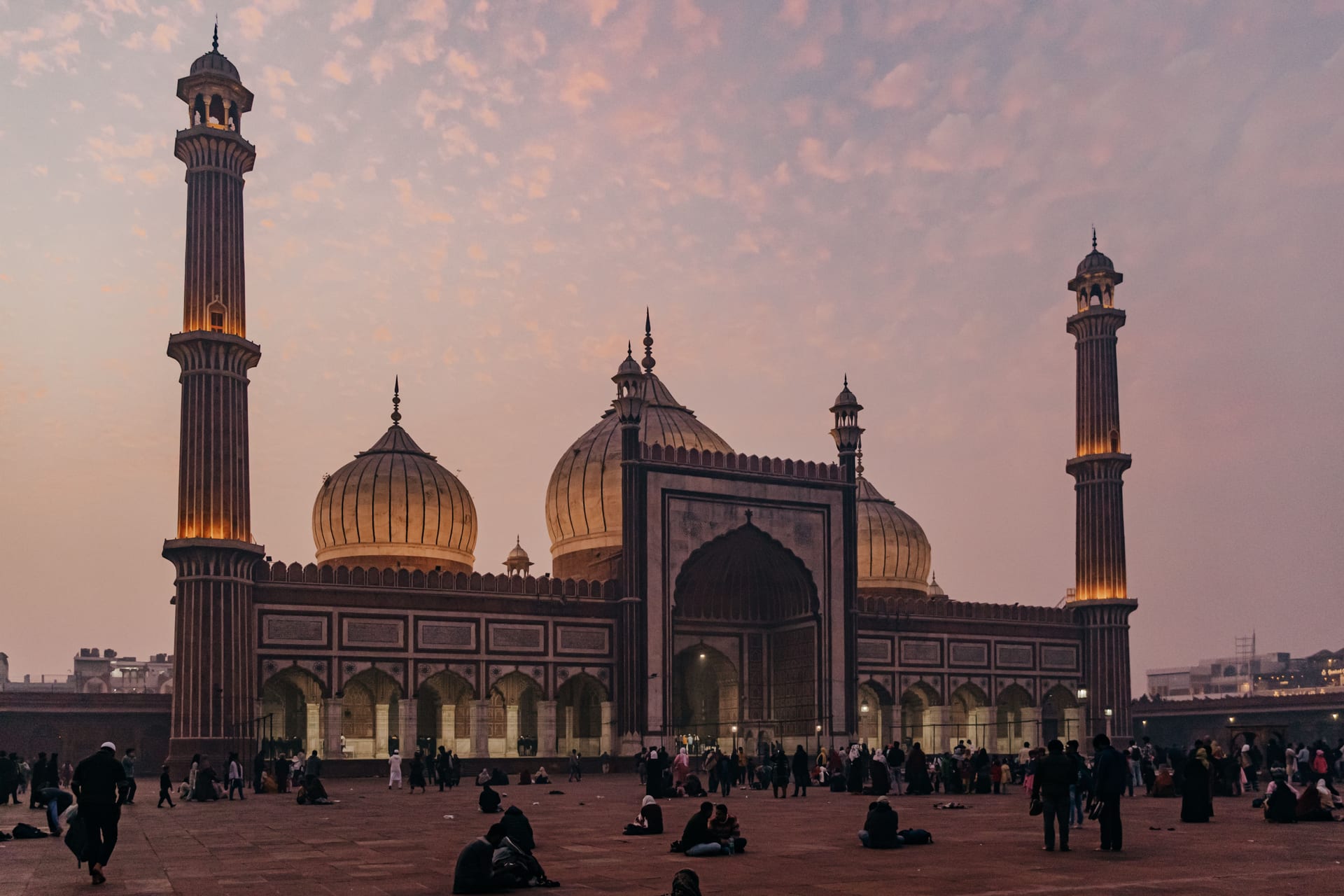
33/100Delhi's upkeep is among the subcontinent's worst — choking air, dust and litter everywhere you look. Yet the built realm is grander than most: Connaught Place, India Gate, Lutyens' boulevards and Mughal plazas. Life is very cheap and densely social, with free monuments, festivals and street culture filling every evening.
Safety
42/100A mixed picture. Serious violent crime is comparatively low and the homicide rate sits below Manila and Bangkok. But perceived safety and comfort after dark rank poorly, an issue Delhi is well known for, and women in particular weigh this carefully. Traffic is hazardous and the broader political climate registers as less stable than the regional norm.
Healthcare
50/100Healthcare access is a relative strength. The city has strong private hospitals, good emergency coverage, and English is spoken widely in medical settings, easier than Bangkok or Tokyo on that front. Out-of-pocket costs stay manageable. The weak point is sheer supply: doctors per resident are stretched thin, so public facilities can be crowded and private care is where most expats land.
Family life
33/100A workable choice for families on a budget. Childcare is affordable and widely available, family housing is more feasible than in Bangkok or Manila, and there are parks and playgrounds around. The softer spots are child safety and outdoor childhood, both held back by the air and traffic, plus a work culture that does not always leave much room for home life.
Career
76/100A substantial local market gives Delhi plenty of English-language roles, a strong professional network and a lively startup and technology base. Local pay is low, so the career upside lies in finding work rather than expecting globally high earnings. Remote-work support is only moderate.
Culture & food
82/100This is where Delhi shines. The food scene is among the best measured, from street stalls to fine dining, and vegetarian and vegan eating is genuinely world-class. Museums, history, music and the arts run deep, richer than Bengaluru or Bangkok on the cultural front. Nightlife and cafes hold their own. For anyone who lives for food and culture, the city delivers.
Ease of integration
70/100Hindi is the everyday language, but English goes a long way across professional and middle-class life, smoothing the path for newcomers. The city is genuinely diverse and used to outsiders, with a sizeable international community. Social attitudes lean more traditional than Bengaluru, so building a local circle can take effort, but the shared language helps a lot.
Connectivity
51/100Infrastructure is a relative bright spot for the region. The metro system is extensive and the airport is among the best-connected here, with strong intercity rail links to the rest of the country. Internet speeds are decent. The weaknesses are familiar to the area: heavy road congestion, patchy utilities, and almost no real cycling infrastructure.
Social values
mixedSocially, Delhi runs more conservative than liberal. The city is strikingly diverse and international in makeup, more so than Bengaluru or Bangkok, which is a real plus for newcomers. But gender equality, LGBTQ acceptance and everyday civic trust all score low, and public life leans traditional. Worth weighing honestly for anyone whose comfort depends on a progressive social climate.
Relocation ease
38/100English carries through much of daily life, which softens the move. The friction shifts to administration, where bureaucracy and tax complexity are high. Banking and work authorization take patience. The overall tax burden is relatively light, but that does not remove the paperwork.