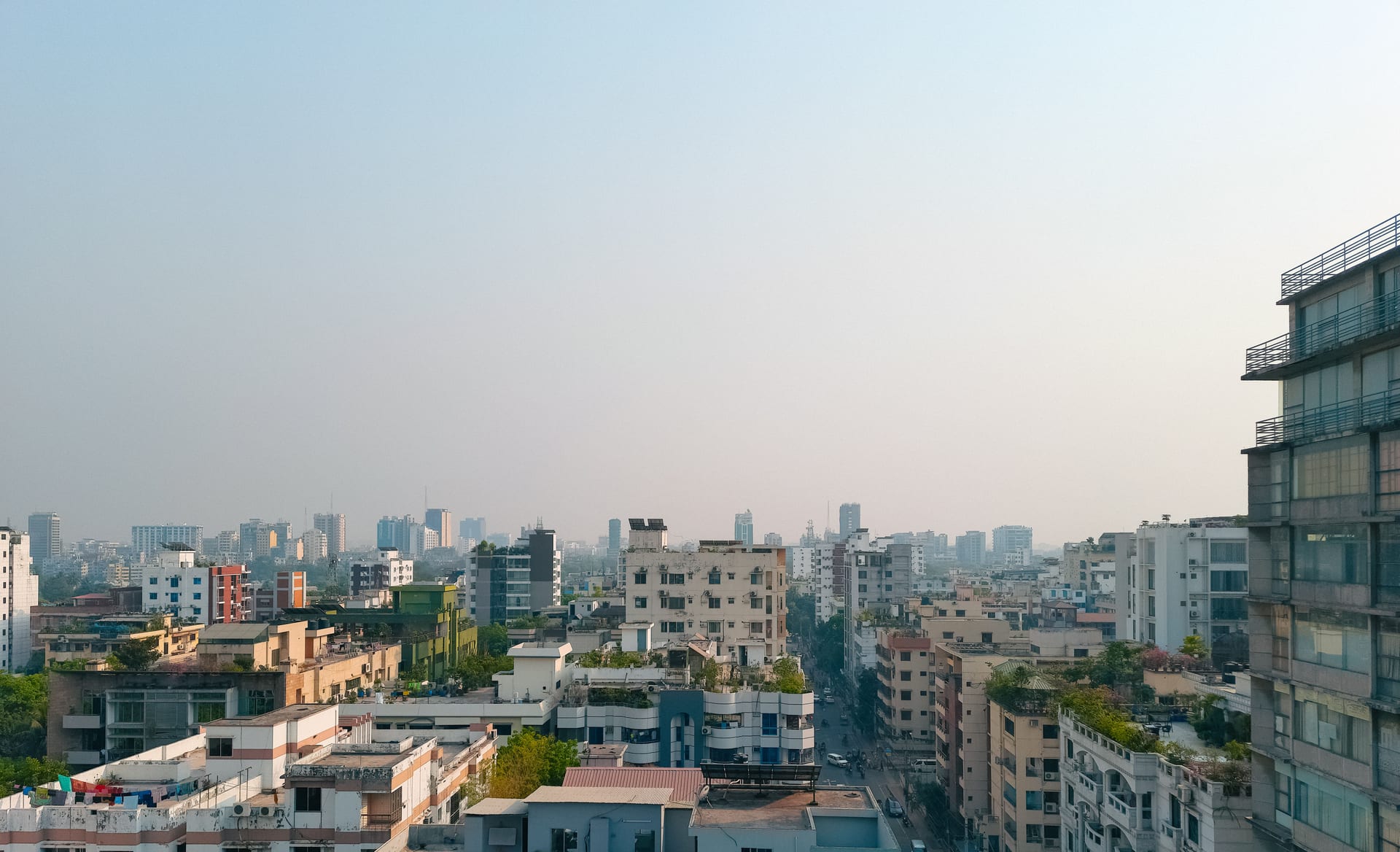
 Bangladesh
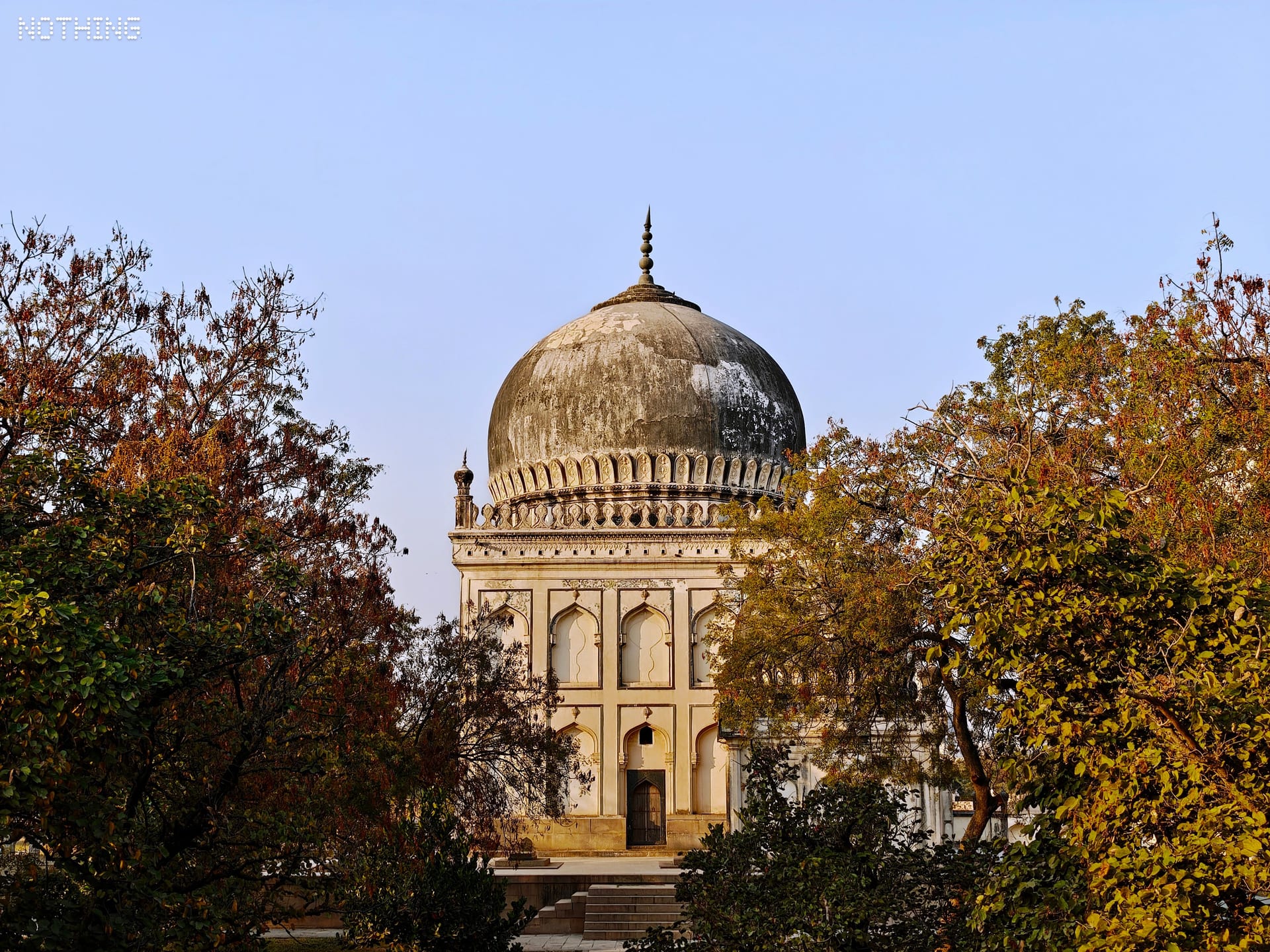
 India
Dhaka makes sense if
- Dhaka only leads on rent, and its local-pay burden is materially heavier.
Dhaka and Hyderabad are both dense, energetic South Asian cities, but Hyderabad has the clearer scorecard: it leads safety, healthcare, career, culture and food, and public life. Dhaka's main advantage is the lower measured housing cost.
The grey shape is all 283 cities; each row says whether lower or higher is better. Ratings out of 10 are our reviewed estimates; the rest is published data. How we measure
Set how much each area counts. The ranking updates as you go. Climate and values are left out because there is no better or worse there, only your taste.
Leads on money, nature & outdoors, city life, safety & health, work & family and moving & settling in; stands out for restaurants and rent that fits local pay.
Closest to the top on money, 9 points behind Hyderabad.
Scores out of 100, averaged from the areas you weighted. For a ranking built around your own situation, take the quiz.
Rent on a new lease, everyday prices and tax.
The year month by month. Whether it suits you is yours to judge.
Solid line: average daytime high. Dashed: night-time low. Point at the chart for any month; point at a city name to shade its range.
How easily you get to water, mountains and green space.
Getting around on foot, food, culture and the feel of the streets.
Crime, how safe people feel, and the care you would get.
Jobs, working culture, schools and raising kids.
Visas, language, paperwork and staying connected.
Where each city sits. There is no right end of these scales.
Dhaka is a vast, extremely dense metropolitan area with intense street life. Limited walking conditions, scarce housing space and congested car travel make everyday movement demanding.
Hyderabad is large and sprawling, built around driving rather than walking. Pavements are patchy, car dependency is high, and getting around without a vehicle is a daily friction.
Violent crime is comparatively low, with a homicide rate below Manila and roughly in line with Bangkok, so on paper the city is safer than its chaos suggests. Petty theft and street hassle are more common, though, and perceived safety after dark is middling.
Violent crime is low and the homicide rate is reassuringly small, which gives the city a solid baseline. Everyday and night-time safety feel reasonable rather than carefree, and traffic remains the bigger physical risk.
Building a local career in Dhaka is difficult for newcomers. Healthcare is a genuine weak spot.
For locally based work, Hyderabad offers a well-rounded career base, with solid industry breadth, a strong technology ecosystem and good remote-work support. Hyderabad has strong private hospitals and clinical staff who speak English well, so navigating treatment is easier here than in much of Asia.
Local culture runs deep and proud, and Bengali food, sweets and street eats are a real draw. Living costs are rock-bottom, but congestion and the lack of free amenities mean enjoyment is hard-won; the street is busy, not pleasant.
Food is the headline. Hyderabad has its orderly tech pockets, but dust and litter persist across much of the city.
Hyderabad is the practical pick for technology work, private healthcare and a more usable public realm around Hussain Sagar and Charminar. Dhaka only leads on rent, and its local-pay burden is materially heavier.
These numbers treat everyone the same. The quiz weighs them by your budget, climate taste, family and work, and ranks all 283 cities for you.