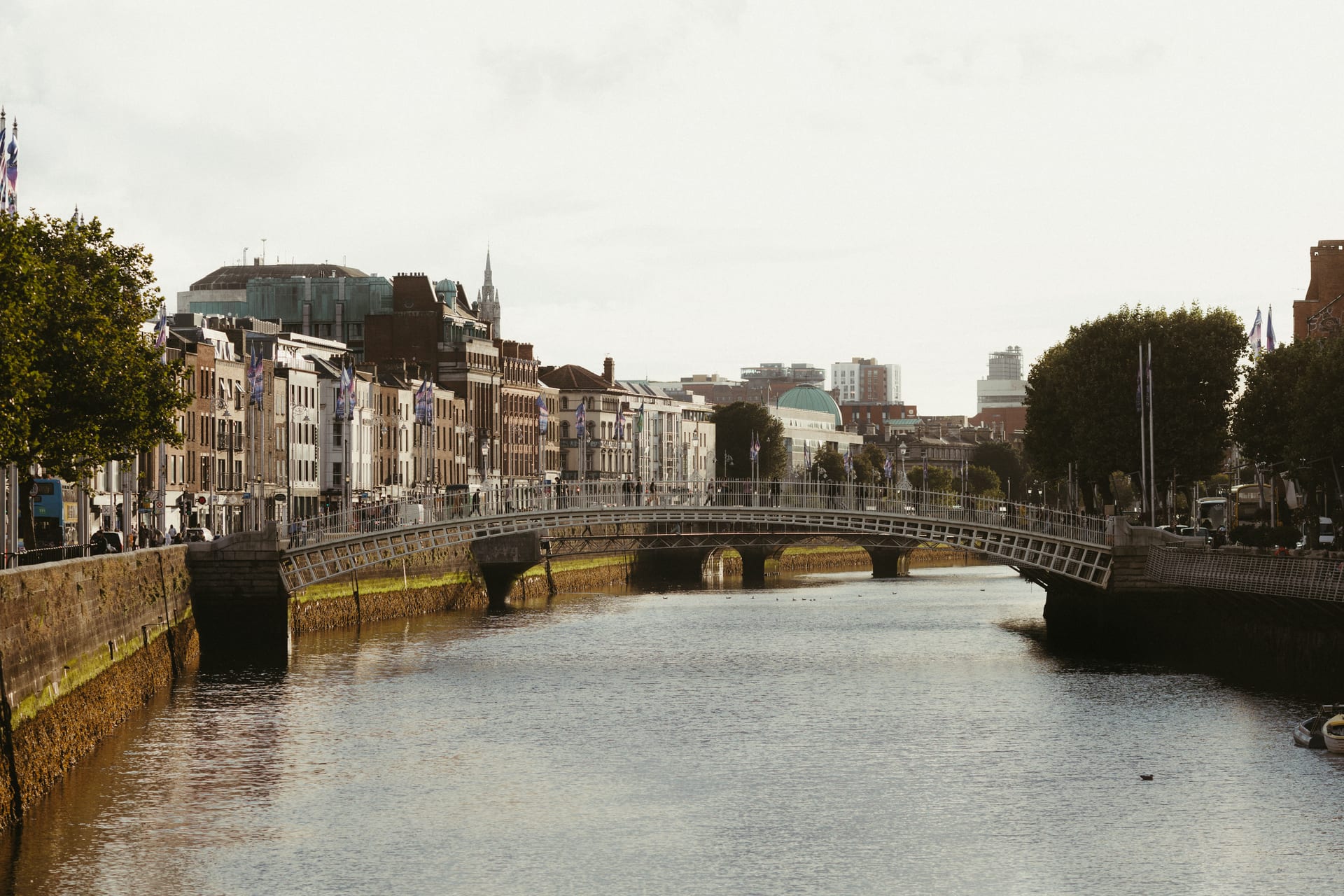
 Ireland
Dublin makes sense if
- Access to stronger healthcare matters most to you.
- You want the broader career options in this comparison.
- You want the deeper culture and food scene.
Dublin offers a deep English-language job market and professional network. Galway is smaller and more walkable, with pubs, buskers and arts events creating a lively street scene and a stronger sense of everyday safety.
The grey shape is all 283 cities; each row says whether lower or higher is better. Ratings out of 10 are our reviewed estimates; the rest is published data. How we measure
Set how much each area counts. The ranking updates as you go. Climate and values are left out because there is no better or worse there, only your taste.
Leads on work & family and moving & settling in; stands out for flight connections and professional network.
Leads on money, nature & outdoors and safety & health; stands out for feels safe day to day and less petty crime.
Scores out of 100, averaged from the areas you weighted. For a ranking built around your own situation, take the quiz.
Rent on a new lease, everyday prices and tax.
The year month by month. Whether it suits you is yours to judge.
Solid line: average daytime high. Dashed: night-time low. Point at the chart for any month; point at a city name to shade its range.
How easily you get to water, mountains and green space.
Getting around on foot, food, culture and the feel of the streets.
Crime, how safe people feel, and the care you would get.
Jobs, working culture, schools and raising kids.
Visas, language, paperwork and staying connected.
Where each city sits. There is no right end of these scales.
Dublin is small and low-slung, a walkable core wrapped in sprawling low-density suburbs where a car starts to matter. The pace is calmer than a major continental metropolis, more manageable, less relentless.
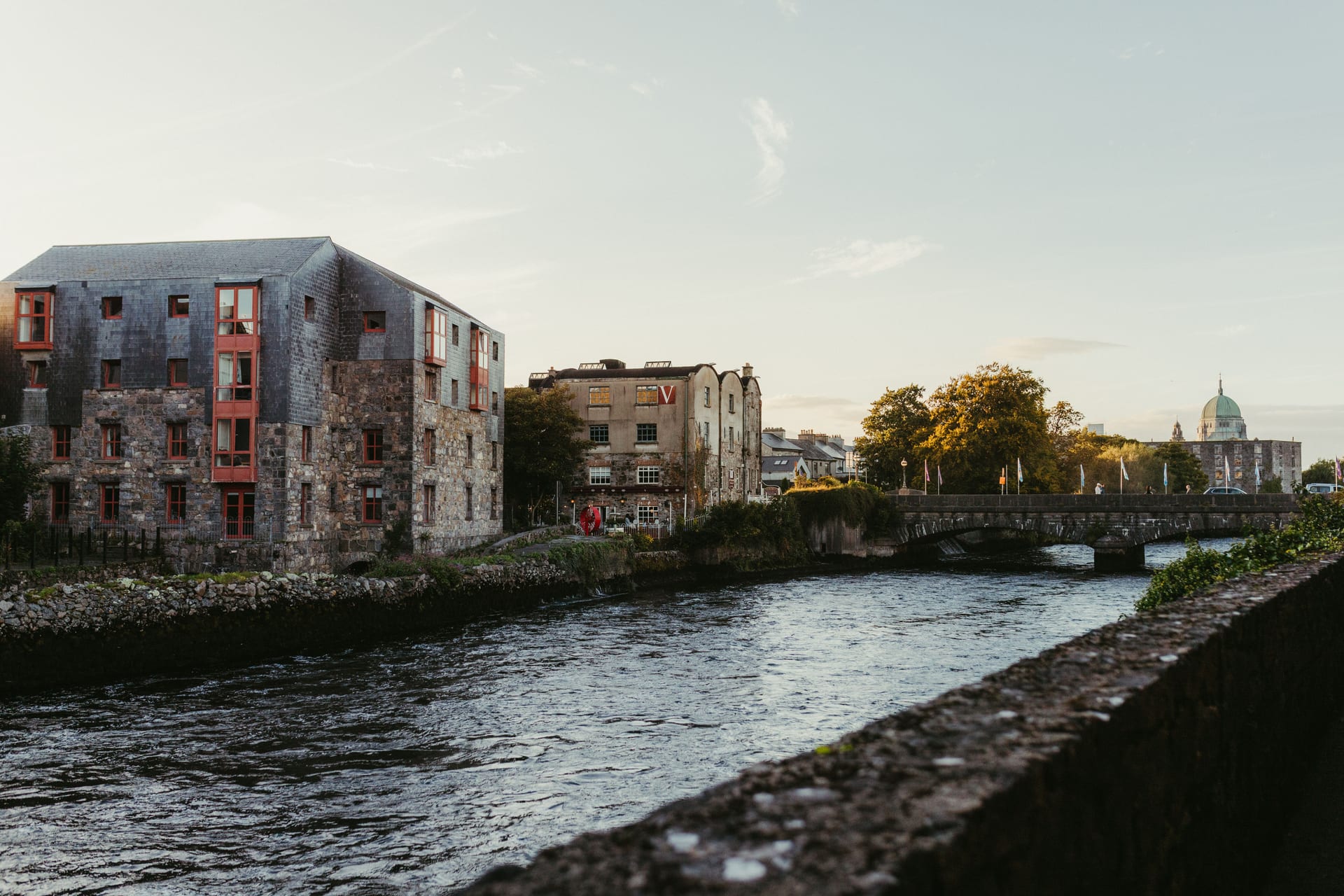
A genuinely small city, low-density and easy to cross on foot, with a compact, mixed-use centre that rewards walking over driving. The pace is gentle, slower than Dublin and a world away from a big capital.
Serious violent crime is rare and the roads are notably safe, helped by a stable, predictable political backdrop. Pickpocketing and street hassle in parts of the centre keep it from being spotless, and walking alone late at night feels middling rather than reassuring, but the baseline is solid.
Among the city's quieter strengths. Violent crime is rare, the streets feel safe by day and largely so at night, and roads are well managed.
Dublin is one of the stronger cities for a local career. The headline advantage is that care happens in English, with no translation gap to navigate.
Work is possible, but Galway is a small local market with limited industry depth and a thinner professional network than a larger city. The huge advantage is that care is delivered entirely in English, removing the language stress that complicates healthcare elsewhere.
Dublin punches above its modest size, with a strong pub and live-music culture, good cafes, and a dining scene that has grown well beyond stereotype. Dublin's city centre is noticeably littered, its upkeep uneven from block to block.
Galway has one of Ireland's liveliest music and arts scenes, a strong sense of local identity, and a nightlife and cafe culture that rival Dublin's despite the smaller population. Galway is a fairly tidy small city, with the usual coastal wear at the edges.
Dublin is the stronger choice for career breadth. Galway suits someone who values a close-knit, creative city and is comfortable with fewer local job options.
These numbers treat everyone the same. The quiz weighs them by your budget, climate taste, family and work, and ranks all 283 cities for you.