 Canada
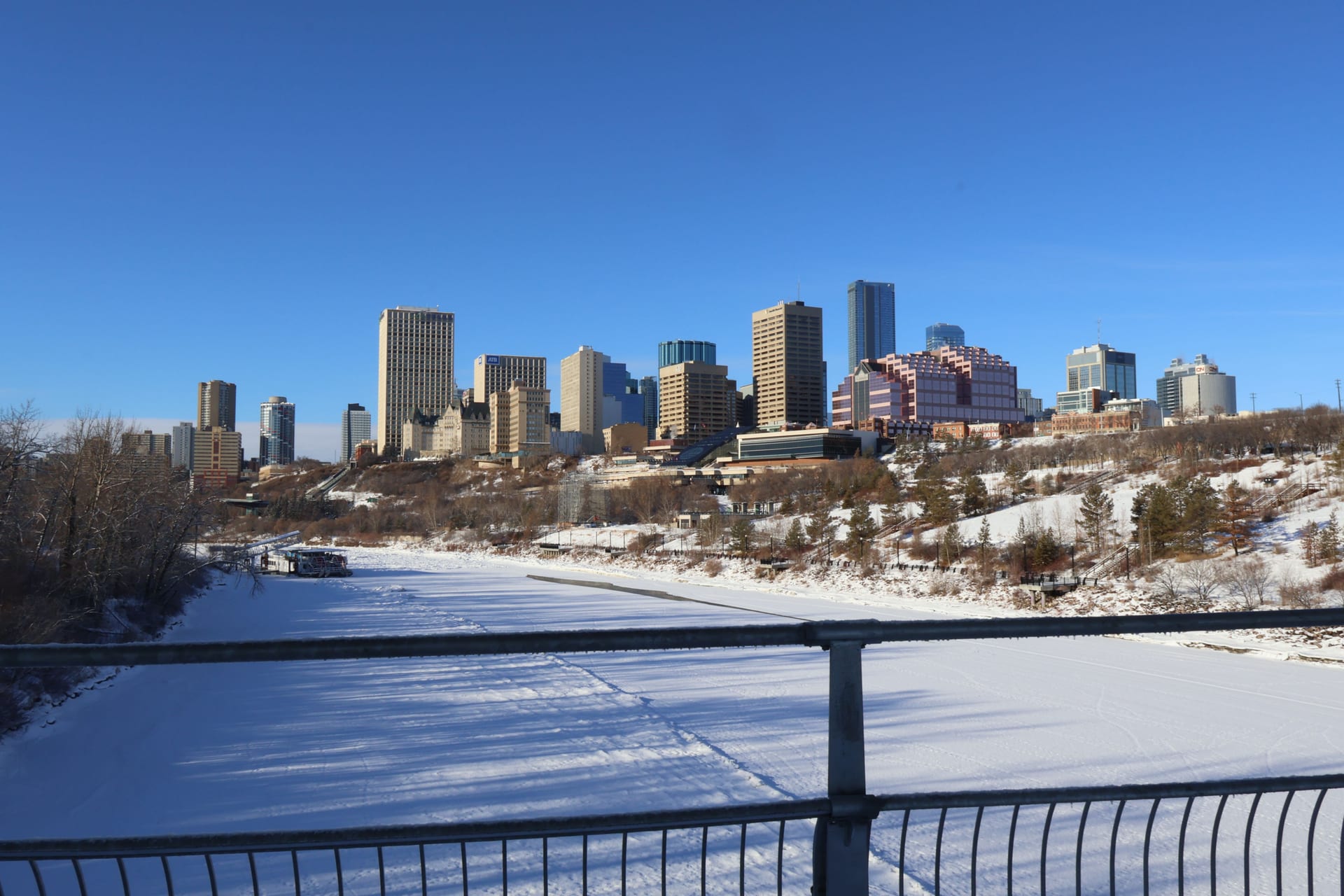
Edmonton makes sense if
- You want the easier housing and budget equation in this comparison.
- A calmer day-to-day safety profile matters most to you.
- Access to stronger healthcare matters most to you.
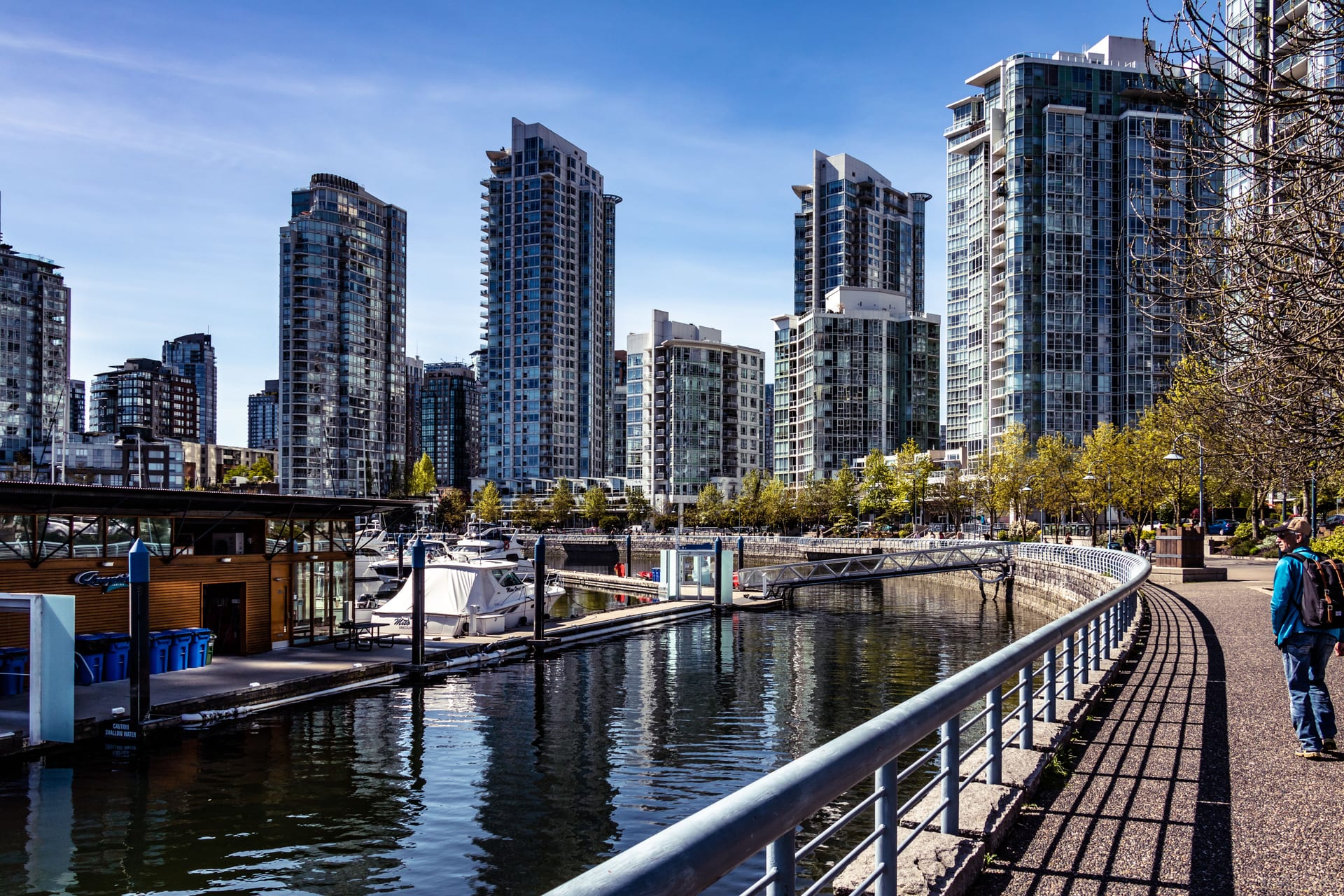
Edmonton’s deep river valley and summer festival calendar give its spacious, workaday rhythm a distinctive pull. Vancouver trades that room and relative affordability for a coastal setting, a walkable seawall, and a broader Pacific and East Asian food scene.
The grey shape is all 283 cities; each row says whether lower or higher is better. Ratings out of 10 are our reviewed estimates; the rest is published data. How we measure
Set how much each area counts. The ranking updates as you go. Climate and values are left out because there is no better or worse there, only your taste.
Leads on nature & outdoors, city life and work & family; stands out for beach & sea and hiking.
Leads on money; stands out for easier house-hunting and space for the money.
Scores out of 100, averaged from the areas you weighted. For a ranking built around your own situation, take the quiz.
Rent on a new lease, everyday prices and tax.
The year month by month. Whether it suits you is yours to judge.
Solid line: average daytime high. Dashed: night-time low. Point at the chart for any month; point at a city name to shade its range.
How easily you get to water, mountains and green space.
Getting around on foot, food, culture and the feel of the streets.
Crime, how safe people feel, and the care you would get.
Jobs, working culture, schools and raising kids.
Visas, language, paperwork and staying connected.
Where each city sits. There is no right end of these scales.
Sprawling, low-density and firmly car-oriented. Neighbourhoods are comfortable and homes come with space, but distances are long and walking between errands rarely works.
Vancouver is a compact city proper inside a larger metro, denser than most Canadian peers and built around walkable, well-kept neighbourhoods. Getting around without a car is workable though not effortless.
Broadly safe by global standards, with low traffic fatalities and strong political stability behind it. Violent and property crime sit a touch higher than in Calgary or Montréal, and downtown can feel rougher after dark in patches, but most residents move around comfortably day to day and feel secure in their own neighbourhoods.
A genuinely safe place. Serious violence is rare, roads are well managed, and the country's political footing is steady.
Edmonton offers a solid English-language job market, with jobs available across a reasonably broad base and a technology scene that is present but not a standout. Care is publicly funded with little out-of-pocket cost, and everything runs in English, which removes a major worry for newcomers.
English makes Vancouver easy to enter, and the job market has solid general strength with a viable technology and startup base. Quality of care is solid and out-of-pocket costs stay low, with treatment available in English from the start and insurance enrolment relatively painless.
A respectable mid-sized scene rather than a destination one. It earns its Festival City nickname in the short summers, when the calendar fills up, and it stays relatively affordable for what it offers.
The food scene is a real strength, especially its Pacific and East Asian breadth, with plenty of cafes and good vegetarian and vegan choices. The seawall and beaches cost nothing, which matters, because almost everything else here is extraordinarily expensive to live around day to day.
Vancouver is the stronger choice for people who want waterfront public space, varied dining, and a more extensive city offering, and can absorb its severe housing costs. Edmonton suits someone who values space and lower costs and is comfortable with cold winters and car-shaped daily life.
These numbers treat everyone the same. The quiz weighs them by your budget, climate taste, family and work, and ranks all 283 cities for you.