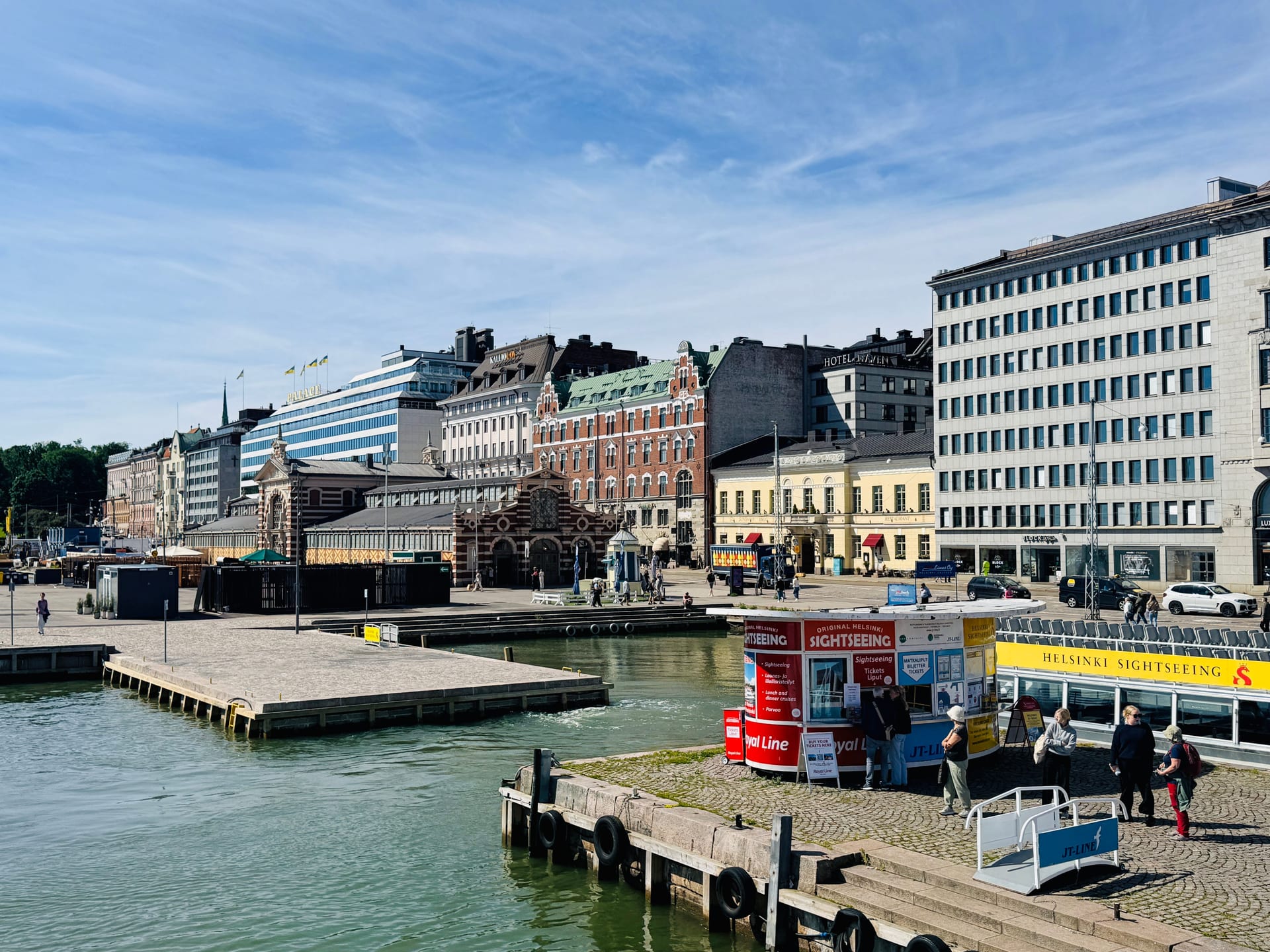
 Finland
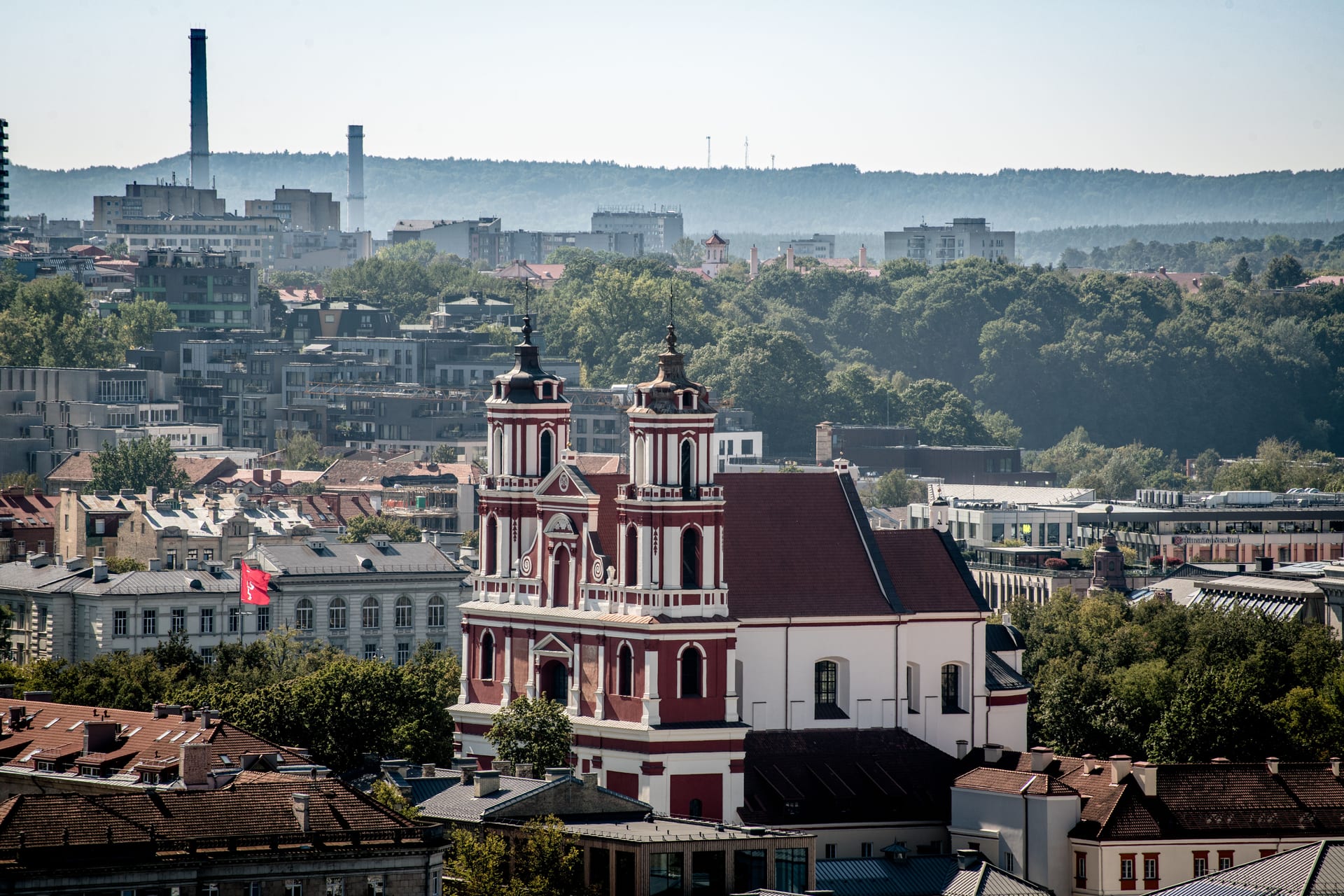
 Lithuania
Helsinki makes sense if
- A calmer day-to-day safety profile matters most to you.
- Access to stronger healthcare matters most to you.
- You want the broader career options in this comparison.
Helsinki feels orderly and low-friction, with clean air and forest and sea close by. Vilnius is smaller, green and walkable, with a baroque old town and modest local pay. The choice is dependable services or a quieter, lower-cost routine.
The grey shape is all 283 cities; each row says whether lower or higher is better. Ratings out of 10 are our reviewed estimates; the rest is published data. How we measure
Set how much each area counts. The ranking updates as you go. Climate and values are left out because there is no better or worse there, only your taste.
Leads on nature & outdoors, city life, safety & health, work & family and moving & settling in; stands out for beach & sea and cycling infrastructure.
Leads on money; stands out for cheaper eating out.
Scores out of 100, averaged from the areas you weighted. For a ranking built around your own situation, take the quiz.
Rent on a new lease, everyday prices and tax.
The year month by month. Whether it suits you is yours to judge.
Solid line: average daytime high. Dashed: night-time low. Point at the chart for any month; point at a city name to shade its range.
How easily you get to water, mountains and green space.
Getting around on foot, food, culture and the feel of the streets.
Crime, how safe people feel, and the care you would get.
Jobs, working culture, schools and raising kids.
Visas, language, paperwork and staying connected.
Where each city sits. There is no right end of these scales.
A compact, walkable city built at a human scale, where most errands happen on foot or by tram and cars feel optional. Neighbourhoods are well-kept and quietly pleasant.
Vilnius is a manageable, low-density capital with a walkable core that keeps many daily trips possible without a car. The trade-off is a quiet, somewhat loose urban fabric, and the slower tempo will not suit people seeking constant metropolitan energy.
Violent crime is rare, petty theft is uncommon, and walking home alone at night is unremarkable for residents. Roads are well-managed and the broader political backdrop is stable.
Safety is a clear strength. Serious violent crime is rare, the roads are relatively safe, and most residents feel comfortable going about their day and night.
Tech and startups are clear strengths in Helsinki, and remote work is well supported, but the local market is respectable rather than expansive. Care is solid and dependable, with reliable emergency services and English widely spoken in clinical settings, which eases things for newcomers.
For local employment, Vilnius offers a workable base for tech and international roles, with a real startup scene and a fair supply of English-language work. Healthcare is competent and middle-of-the-road.
The food and culture scene is solid without being a major draw. Helsinki is a very clean, orderly Nordic capital.
The cultural life is steady and reasonably varied for the city's size, with a decent spread of restaurants, cafes, museums and a music and art scene that punches at its weight class. Vilnius keeps a reasonable core, though some outer areas still look neglected.
Helsinki suits someone who values reliable public services and nearby nature, and accepts dark winters. Vilnius offers a calmer, more affordable daily life, though its labour market pays modestly and winter days are short.
These numbers treat everyone the same. The quiz weighs them by your budget, climate taste, family and work, and ranks all 283 cities for you.