Affordability
64/100Helsinki's open-market one-bedroom rent on a new lease is about €978 per month. That is roughly 32% of one typical employee's mean net pay, a rent burden labelled manageable solo.
Climate
continentalHelsinki has cold winters and short, mild summers. The main adjustment is light, with 151 bright days a year and virtually no bright winter days. Air quality is exceptionally clean, muggy heat is rare, and extreme weather is uncommon.
Nature access
leafyFew capitals put wilderness this close. Forests, lakes, and an island-dotted shoreline are reachable within minutes, and cycling and running routes thread through green space across the city. Weekend escapes into proper nature come easily. The one gap is mountains, which are simply absent from this flat northern landscape.
Urban form
mid-sizedA compact, walkable city built at a human scale, where most errands happen on foot or by tram and cars feel optional. Neighbourhoods are well-kept and quietly pleasant. The flip side of that calm is a slow tempo and a small-city feel that can read as sleepy next to a sprawling metropolis like Berlin.
Public life & spaces
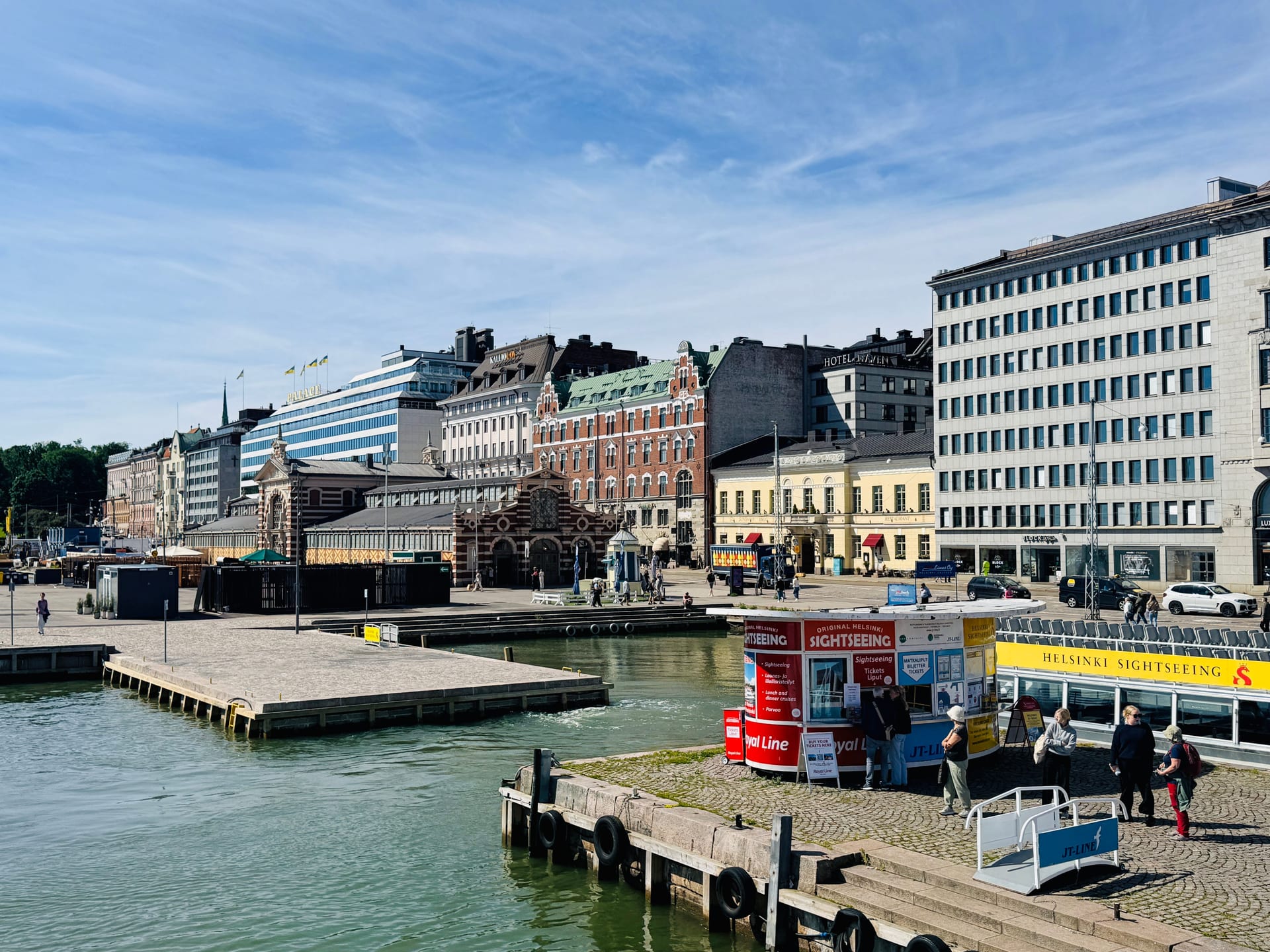
89/100Helsinki is a very clean, orderly Nordic capital. Its built spaces shine: neoclassical Senate Square, the harbour market, the seaside Esplanadi and the dazzling Oodi library. The free public-library culture is among the world's best, though costly Finland means much beyond those civic spaces still asks for your wallet.
Safety
87/100About as safe as cities get. Violent crime is rare, petty theft is uncommon, and walking home alone at night is unremarkable for residents. Roads are well-managed and the broader political backdrop is stable. This is one of Helsinki's clearest, most consistent strengths.
Healthcare
75/100Care is solid and dependable, with reliable emergency services and English widely spoken in clinical settings, which eases things for newcomers. Quality holds up well against other Nordic systems. The main pressure point is doctor availability, where waits and thin staffing can test patience in the public system.
Family life
82/100One of the standout reasons families land here. Schools are excellent, childcare is well-supported, and the work-life culture genuinely leaves room for parenting. Streets are safe for children, parks and playgrounds are everywhere, and an outdoor childhood is the default rather than the exception.
Career
70/100Tech and startups are clear strengths in Helsinki, and remote work is well supported, but the local market is respectable rather than expansive. Typical pay for local employees is comparatively high, while unemployment is high at about 10% and English-only roles are limited. Breaking in may take time.
Culture & food
76/100The food and culture scene is solid without being a major draw. Cafes are a real strength, vegan and vegetarian options are plentiful, and there are good restaurants and museums to work through. Nightlife is quieter than in Berlin or Stockholm, and the international community stays relatively small.
Ease of integration
56/100Finnish is the main language and a genuinely tough one to learn, though Swedish is co-official and English goes a long way in daily life. Finns can read as reserved at first, and openness to outsiders is middling, so building a local circle takes time and patience. The social fabric, once entered, rests on deep trust.
Connectivity
72/100Everything runs smoothly here. Public transport is excellent and reliable, utilities never seem to fail, and roads stay uncongested. Dealing with the state is refreshingly digital, sparing residents much of the paperwork that defines life elsewhere. International flights connect well; domestic rail links are decent if not extensive.
Social values
progressiveA liberal, secular, and notably equal society, with strong gender equality and high civic trust running through public life. Traditional and religious pressure on how people live is minimal. The weaker note is diversity: the city is less international and less practised at absorbing newcomers than larger European capitals.
Relocation ease
62/100Among the smoother moves in Europe. Bureaucracy is light and heavily digitized, finding housing is far easier than in tighter markets, and visa and work-permit processes are reasonable. The real adjustment is cultural and linguistic, since the reserved social style and a hard language make settling in slower than the admin suggests.