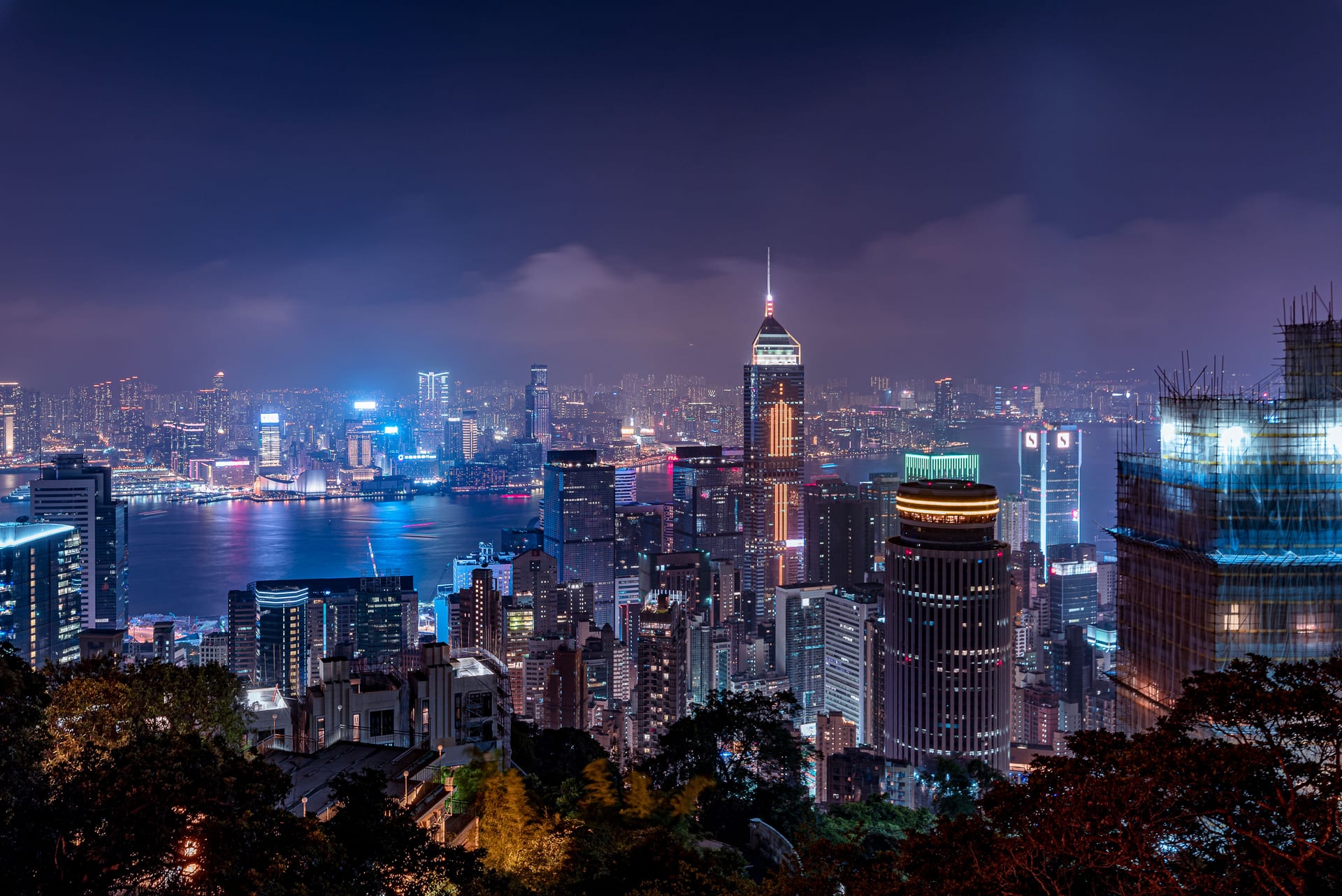
 Hong Kong SAR
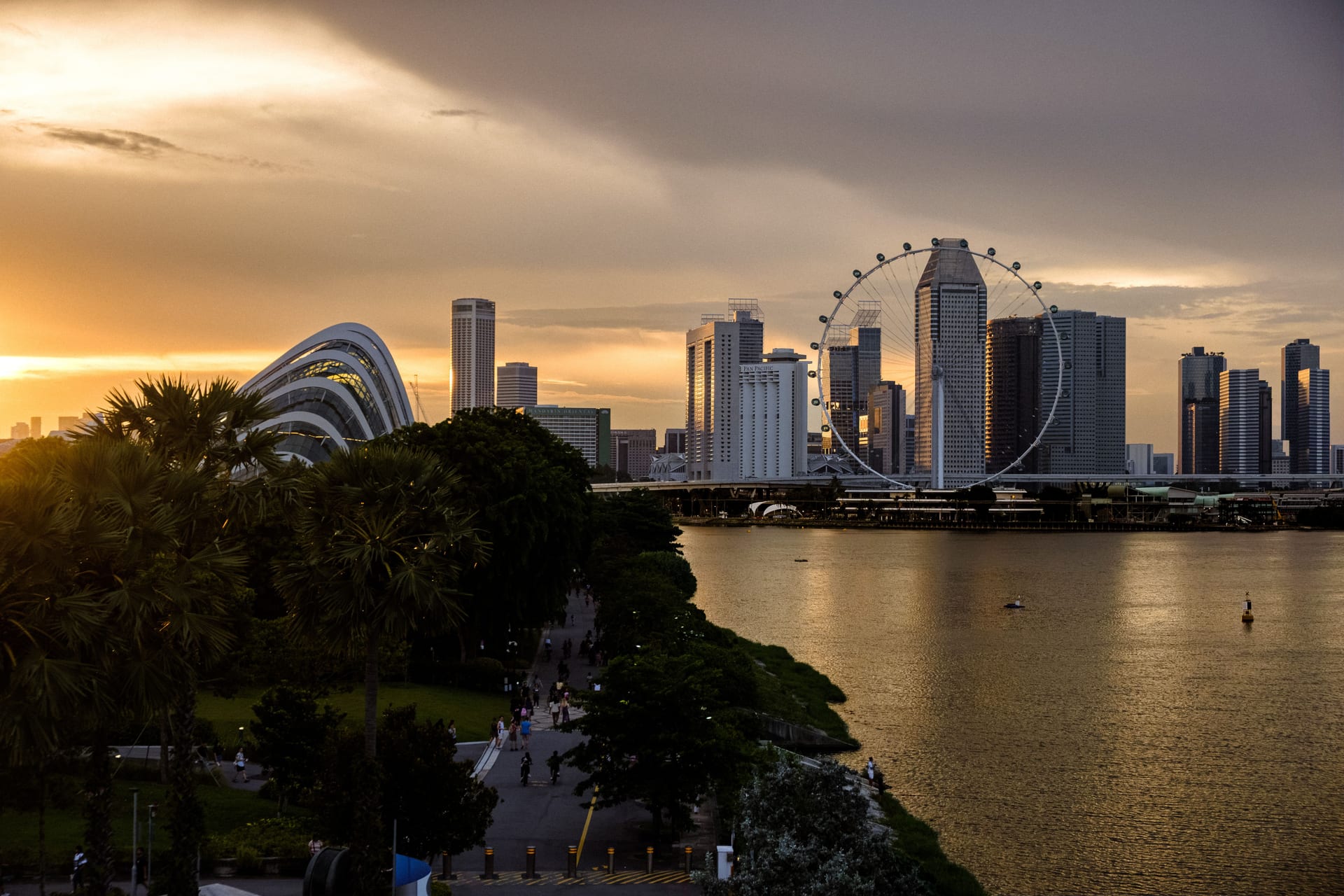
 Singapore
Hong Kong makes sense if
- You want the deeper culture and food scene.
Hong Kong combines finance and trade careers with Cantonese food, dense street life and beaches such as Shek O beyond the urban core. Singapore has a lighter housing burden, a higher safety result and a stronger career score. Hong Kong leads on culture and food; Singapore's Botanic Gardens and connected parks offer a more orderly daily outdoor setting.
The grey shape is all 283 cities; each row says whether lower or higher is better. Ratings out of 10 are our reviewed estimates; the rest is published data. How we measure
Set how much each area counts. The ranking updates as you go. Climate and values are left out because there is no better or worse there, only your taste.
Leads on nature & outdoors; stands out for mountains and hiking.
Leads on safety & health, work & family and moving & settling in; stands out for calmer weather and a smaller language barrier.
Scores out of 100, averaged from the areas you weighted. For a ranking built around your own situation, take the quiz.
Rent on a new lease, everyday prices and tax.
The year month by month. Whether it suits you is yours to judge.
Solid line: average daytime high. Dashed: night-time low. Point at the chart for any month; point at a city name to shade its range.
How easily you get to water, mountains and green space.
Getting around on foot, food, culture and the feel of the streets.
Crime, how safe people feel, and the care you would get.
Jobs, working culture, schools and raising kids.
Visas, language, paperwork and staying connected.
Where each city sits. There is no right end of these scales.
Flats are famously cramped, the smallest among major hubs. The payoff is exceptional walkability and a near-total freedom from needing a car, with shops, offices, and homes stacked together.
A dense, vertical, highly walkable city where almost everything is reachable without a car. Neighbourhoods are well-planned and mixed-use, the pace is brisk and corporate, and public order is total.
Among the safest big cities anywhere. Violent crime is rare, streets feel secure late at night, and traffic is well managed.
Violent crime is rare, petty theft is minimal, and walking alone late at night is genuinely unremarkable. Political stability and traffic safety are both excellent.
Hong Kong's local market is one of its clearest strengths, with very low unemployment, strong English-language access and dense professional networks. Clinical quality is high and emergency care is dependable, with a public system that delivers strong outcomes and private hospitals for those who pay.
Singapore is a formidable professional hub, with a deep English-language market, very low unemployment, and strong networks across established and newer industries. World-class hospitals, reliable emergency care, and medical staff who speak English fluently.
The food alone justifies the move. Hong Kong is generally clean, if some older districts stay grimy and the whole city feels cramped and vertical.
Food is the headline, one of the great eating cities anywhere, where hawker stalls and fine dining sit side by side. The catch is cost: much of daily life is paid-for and mall-mediated, with little genuinely free beyond the hawker centres and parks.
Dim sum, harbour walks and hills give Hong Kong a distinct draw beyond its finance market. Choosing that mix means accepting a heavier housing burden than Singapore, whose connected parks and stronger safety result favour a more orderly routine. Healthcare scores offer little separation.
These numbers treat everyone the same. The quiz weighs them by your budget, climate taste, family and work, and ranks all 283 cities for you.