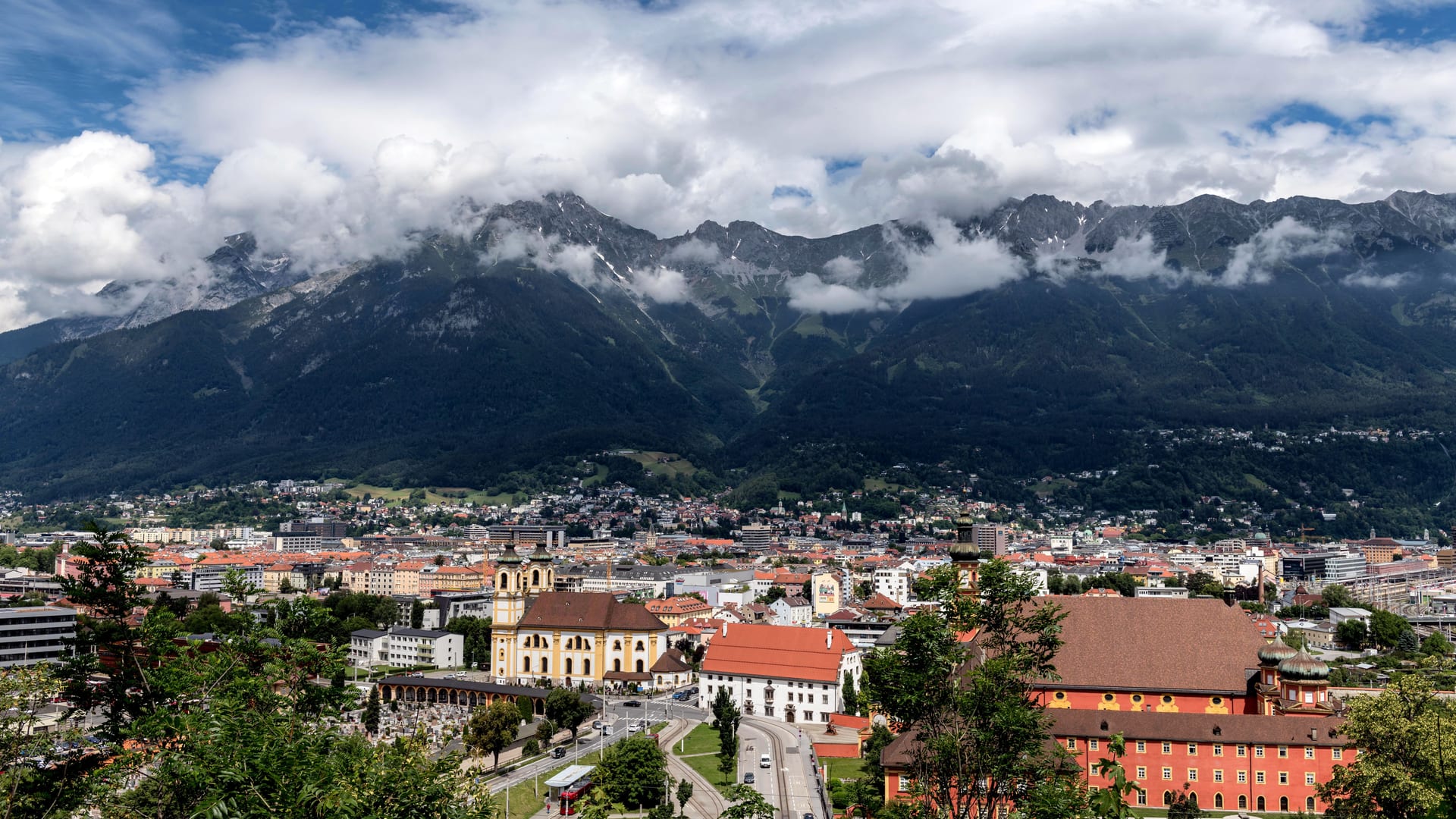
 Austria
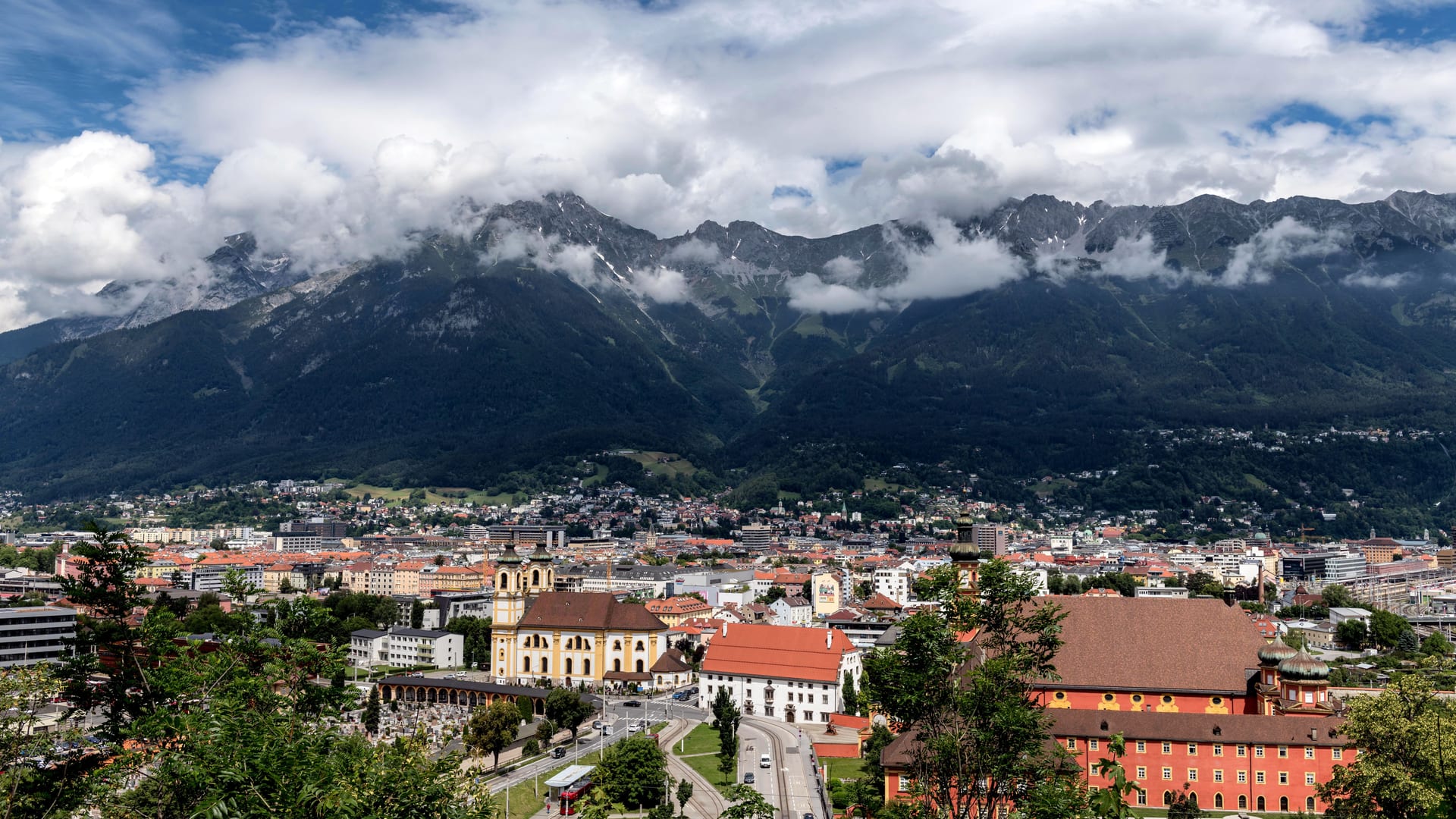
 Liechtenstein
Innsbruck makes sense if
- You want the easier housing and budget equation in this comparison.
- Access to stronger healthcare matters most to you.
- You want the broader career options in this comparison.
Innsbruck and Vaduz are affluent Alpine bases with very different scale. Innsbruck leads healthcare, culture and food, and public life; Vaduz has the exceptional safety and slightly stronger career score.
The grey shape is all 283 cities; each row says whether lower or higher is better. Ratings out of 10 are our reviewed estimates; the rest is published data. How we measure
Set how much each area counts. The ranking updates as you go. Climate and values are left out because there is no better or worse there, only your taste.
Leads on money, nature & outdoors, city life, work & family and moving & settling in; stands out for train connections and life without a car.
Narrowly best on safety & health: 81 vs Innsbruck's 80; stands out for broadband speed and space for the money.
Scores out of 100, averaged from the areas you weighted. For a ranking built around your own situation, take the quiz.
Rent on a new lease, everyday prices and tax.
The year month by month. Whether it suits you is yours to judge.
Solid line: average daytime high. Dashed: night-time low. Point at the chart for any month; point at a city name to shade its range.
How easily you get to water, mountains and green space.
Getting around on foot, food, culture and the feel of the streets.
Crime, how safe people feel, and the care you would get.
Jobs, working culture, schools and raising kids.
Visas, language, paperwork and staying connected.
Where each city sits. There is no right end of these scales.
Innsbruck is a genuinely small city with a highly walkable, mixed-use centre and little need for a car day to day. The trade-off is a quiet pace and limited density, so anyone seeking metropolitan scale or late nights will feel the difference.
Calling Vaduz a city stretches the word. It is the smallest place in the dataset, low-density and sleepy, with a tempo closer to a hamlet than a capital.
Among the safest places a person could move. Violent crime is rare, streets feel secure after dark, and the general sense of order is high.
Violent and petty crime barely register, the streets feel secure day and night, traffic is calm, and the political backdrop is rock-steady. For people who rank a sense of security above almost everything, few places in Europe match it, Zürich included.
Local work is the constraint. Care is strong and broadly accessible, with good hospitals and reliable emergency services anchored partly by the city's university medical presence.
Work is available, but Vaduz's market is specialised rather than broad. Care quality is solid and emergencies are handled reliably, with reasonable English in clinical settings.
Local Tyrolean culture is strong and deeply rooted, with a decent spread of cafes, restaurants and traditional fare. Innsbruck is pristine and very well kept, an Alpine Austrian town that takes its upkeep seriously.
The weakest axis. Vaduz is a tiny, immaculate alpine capital, pristine and wealthy in equal measure.
Choose Innsbruck for university hospitals, mountain-city culture and a livelier public realm. Vaduz suits a tiny, exceptionally safe setting when high local pay and a narrow labour market fit.
These numbers treat everyone the same. The quiz weighs them by your budget, climate taste, family and work, and ranks all 283 cities for you.