
Living in Innsbruck
A small Alpine city in western Austria where the mountains start at the edge of town. Life here runs at a calmer pace than Vienna or Salzburg, with the outdoors built into daily routine. The trade-off is a thin job market and a tight housing scene relative to its size.
Innsbruck at a glance
Vital stats
Where Innsbruck stands out
The metrics where Innsbruck sits farthest from the middle worldwide, good and bad.
Cheap to arrive, expensive to stay?
A typical one-bedroom in Innsbruck runs €882/mo. That is ~31% of one typical local employee’s mean net pay. This is a solo-newcomer stress test: sitting tenants, shared homes, subsidised housing and informal rents are deliberately outside the numerator.
The fastest way to test a shortlist is to go. A week on the ground tells you things no ranking can.
Partner link
Approved language-learning and international money resources for practical next steps.
Daily life in Innsbruck
How Innsbruck scores
Category by category
Affordability
66/100Innsbruck's open-market one-bedroom rent on a new lease is about €882 per month. That is roughly 31% of one typical employee's mean net pay, a rent burden labelled manageable solo.
Climate
wet & greyJanuary averages around 1°C, while summers stay comfortable rather than oppressive. Around 179 rainy-grey days leave the city short on light, but muggy conditions are effectively absent, so warm weather rarely becomes the problem. Winter is the season that demands patience.
Nature access
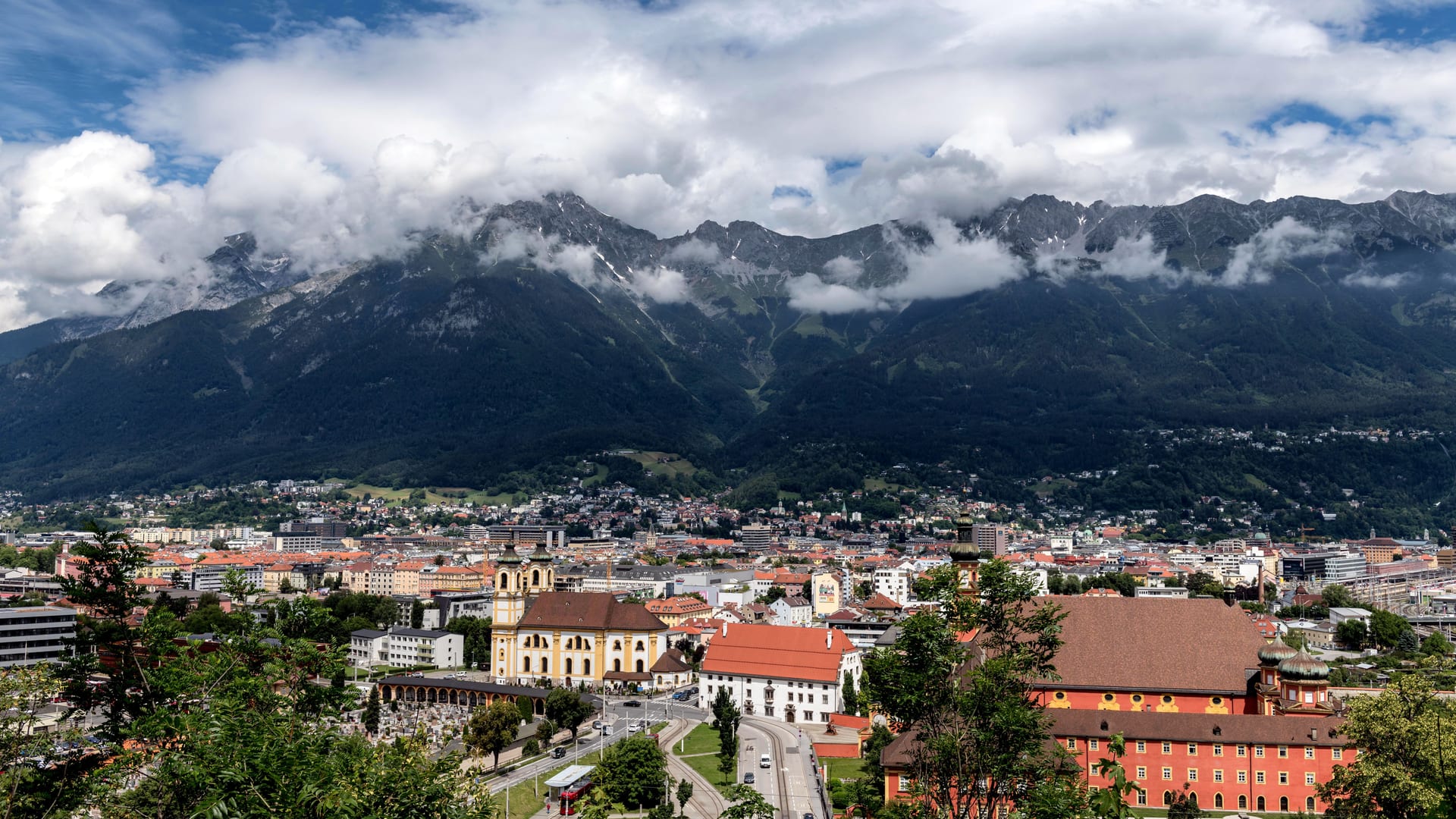
alpineThis is the city's whole reason for being. The Alps rise directly above the rooftops, with hiking, forests, lakes and ski slopes all within easy reach, and weekends practically design themselves around the outdoors. The one absence is the sea, which is a long drive away in any direction.
Urban form
small cityInnsbruck is a genuinely small urban area of about 144,000 people, with a highly walkable mixed-use centre and little need for a car day to day. The trade-off is a quiet pace and limited density, so anyone seeking metropolitan scale or late nights will feel the difference.
Public life & spaces
85/100Innsbruck is pristine and very well kept, an Alpine Austrian town that takes its upkeep seriously. The arcaded old town and the Golden Roof square anchor a compact, walkable centre. The mountains on the doorstep are free to reach, but this is a touristy town and not a cheap one.
Safety
85/100Among the safest places a person could move. Violent crime is rare, streets feel secure after dark, and the general sense of order is high. Even petty theft stays low by European standards. Families and solo arrivals alike tend to relax quickly here.
Healthcare
75/100Care is strong and broadly accessible, with good hospitals and reliable emergency services anchored partly by the city's university medical presence. Out-of-pocket exposure is low once a person is in the system. English-speaking doctors exist but are not guaranteed, so some German helps when navigating appointments.
Family life
79/100A genuinely good place to raise children. It is safe, childcare is available and affordable, schools are solid, and the surrounding mountains give kids an outdoor childhood that bigger cities cannot match. The pressure point is family-sized housing, which is scarce and competitive relative to demand.
Career
49/100Local work is the constraint. The market is narrow, with modest depth in English-language roles, professional networks, and startup or tech work, while unemployment is somewhat high. Local pay is comparatively high, and remote work is a better fit for people who already have an employer.
Culture & food
60/100Local Tyrolean culture is strong and deeply rooted, with a decent spread of cafes, restaurants and traditional fare. The international and nightlife sides are more modest. Compared with Vienna's museum and music heft, the cultural calendar here is smaller and quieter, more village-meets-city than metropolitan.
Ease of integration
52/100German is the language of daily life, and while English goes a long way in tourism and at the university, real integration rewards learning it. Austrians can take time to warm to outsiders, and Innsbruck's smaller, traditional social fabric means newcomers often connect fastest through clubs, sport and the mountains rather than expecting an open expat scene.
Connectivity
62/100The basics are dependable, utilities are reliable, and rail links to the rest of Austria and into Italy and Germany are excellent for a city this size. Two gaps stand out: the airport is small with limited direct routes, and the digital and administrative side lags, with patchy online services and slow-moving bureaucracy.
Social values
progressiveModerate and orderly, with high civic trust and a generally fair, equitable footing. It leans more traditional and conservative than Vienna or other big European capitals, and is less overtly international. Attitudes toward foreigners and diversity are middling rather than warmly open, reflecting a smaller, regional Alpine town.
Relocation ease
55/100Moving here is a mixed bag. Austria's visa and work-authorisation paths take patience, bureaucracy is slow, and the housing search is competitive. The German-language barrier is real for daily admin and banking. None of it is unusually punishing for the region, but expect a deliberate, paperwork-heavy settling-in period.
The trade-offs
A year in Innsbruck
Jul peaks around 19°C, Jan days top out near -2°C, and the year brings roughly 132 bright days.
Can you actually move here?
The hard limits people most often bring to a move, scored against Innsbruck's data.
Moving with a pet
Bringing a pet to Innsbruck is straightforward. Austria follows the standard EU rules, so a microchip, rabies vaccination and pet passport or health certificate cover most arrivals with little friction, especially from within Europe.
Who Innsbruck works for
Answer the questionnaire and see where Innsbruck lands for you.
Take the free questionnaireWhere else to look
Innsbruck vs. comparable cities

The cities people weigh against Innsbruck
Unexpected siblings
Far from Innsbruck on the map, close across all 14 categories of daily life.

